Russia's Overnight Assault on Kyiv Kills 30 in Third-Deadliest Strike of the War
Moscow hurled nearly 570 missiles and drones — including hypersonic Zircon and Iskander ballistic missiles — at residential districts, forcing tens of thousands into subway shelters.

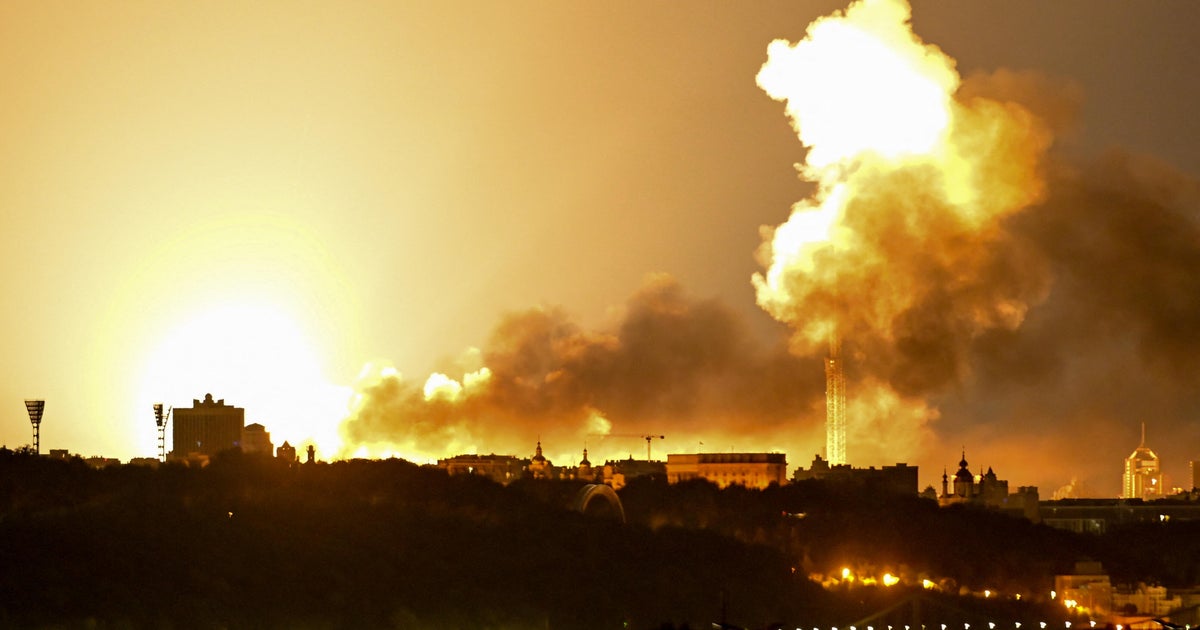
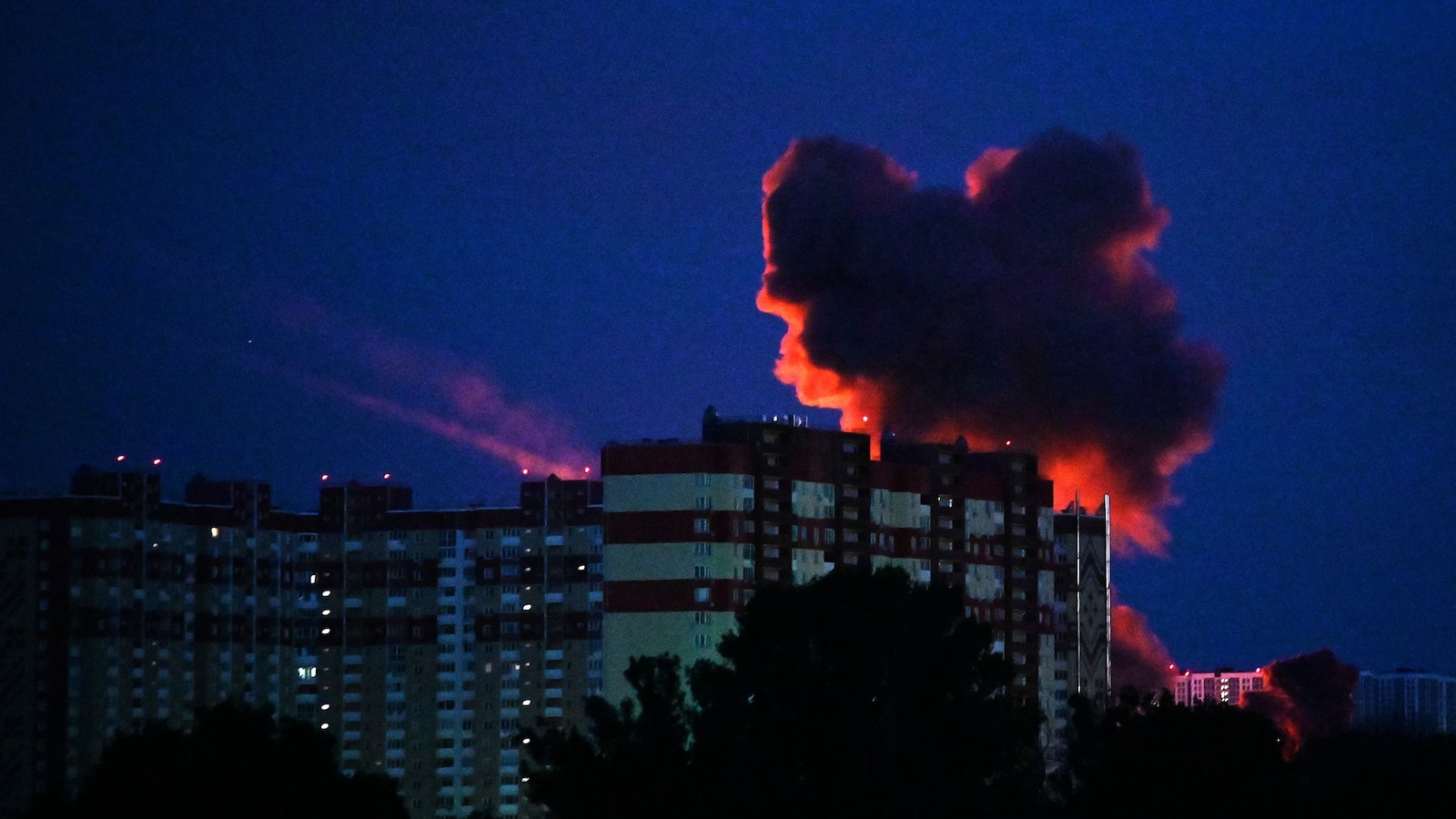
A ferocious Russian assault on Kyiv overnight into Thursday killed at least 30 people, making it the third-deadliest attack on the Ukrainian capital since Moscow launched its full-scale invasion.
The strike was exceptionally lethal because of both the targets Russia chose and the weapons it fired. Rather than aiming solely at power plants or military sites, Moscow struck residential buildings across the city, collapsing apartment blocks with families inside. Ukrainian officials said the barrage involved roughly 570 air-attack assets, an arsenal that included four Zircon hypersonic missiles, 24 Iskander ballistic missiles, and 496 Shahed-type attack drones — a combination designed to overwhelm and outrun the capital's air defenses.
The sheer scale of the attack sent Kyiv's residents underground. The city's metro system said about 52,500 people, including 4,500 children, spent the night sheltering in subway stations as explosions echoed above them. Rescue crews spent the following day digging through rubble, and the death toll climbed through the afternoon as bodies were pulled from the debris.
Analysts said the mix of weapons made the assault particularly hard to defend against. Ballistic and hypersonic missiles travel far faster than the cruise missiles and drones Ukraine has grown more adept at shooting down, giving air-defense operators seconds rather than minutes to respond. When those fast missiles are salvoed alongside hundreds of slower Shahed drones, defenders are forced to split their attention, and more warheads reach their targets. The targeting of apartment buildings, rather than infrastructure on the city's outskirts, concentrated the casualties in densely populated neighborhoods.
The attack came even as diplomatic activity around the wider region continued, underscoring how far Moscow remains from any pause in its air campaign against Ukrainian cities. Ukrainian President Volodymyr Zelensky and city officials renewed appeals to Western partners for additional air-defense interceptors, arguing that only a deeper stockpile of systems capable of downing ballistic threats can blunt attacks of this size. Emergency services described scenes of shattered facades, burning vehicles, and residents searching for missing relatives.
For Kyiv, a city that has endured record drone-and-missile barrages throughout the war, the July 3 strike stood out not for the number of projectiles alone but for how many found their way into homes. It ranks among the bloodiest single nights the capital has experienced, a grim marker in a conflict that has repeatedly tested the limits of the city's defenses and the endurance of its people.
In plain terms: Russia blasted Kyiv overnight with nearly 570 missiles and drones, hitting apartment buildings and killing at least 30 people — one of the worst nights the Ukrainian capital has seen. Tens of thousands, including thousands of children, hid in subway stations to survive.