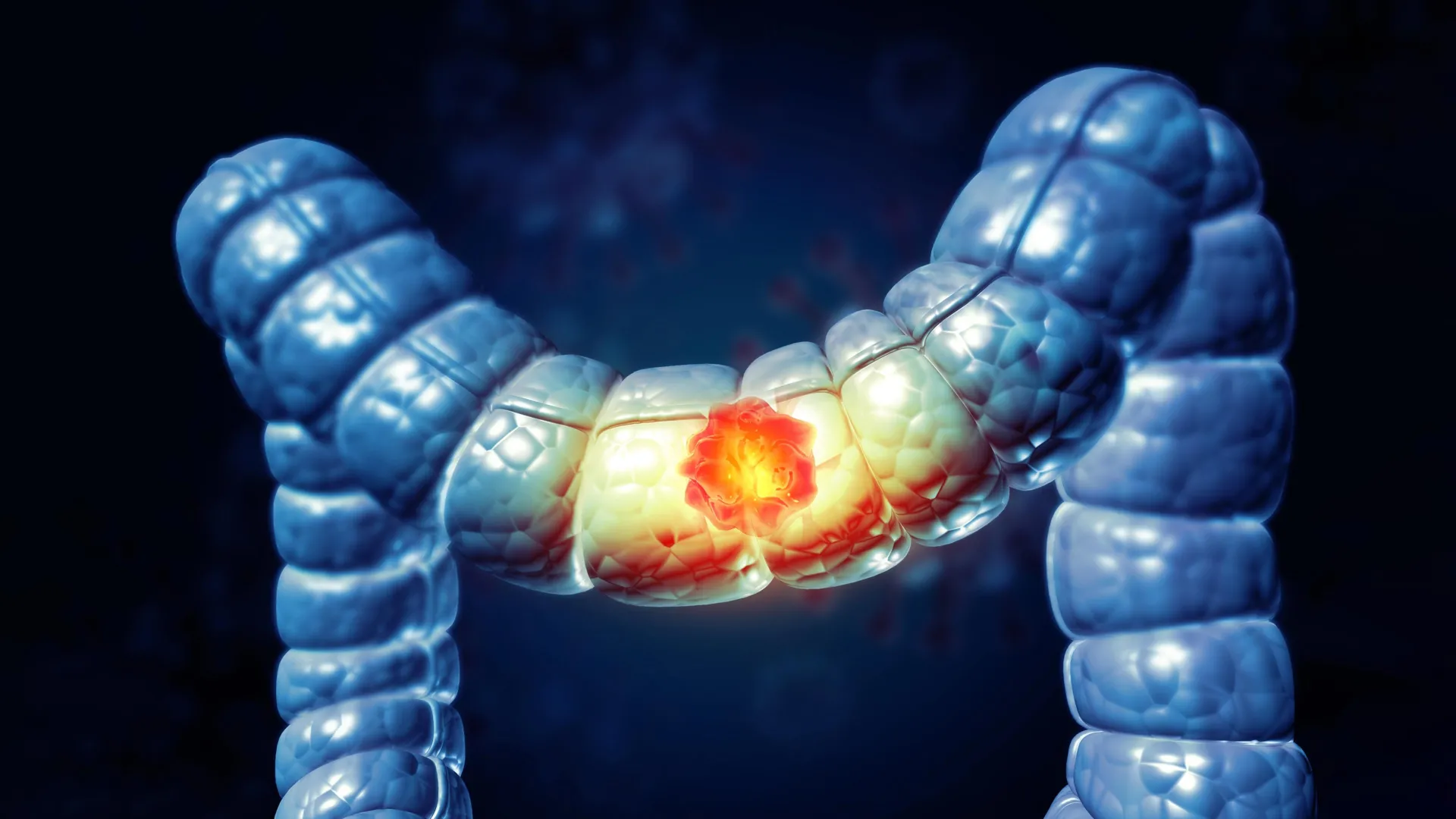
Revolutionary Stool Test Detects 90% of Colorectal Cancers Without Colonoscopy
Scientists use AI to map gut bacteria at unprecedented detail, creating non-invasive screening method that rivals traditional diagnostic tools.
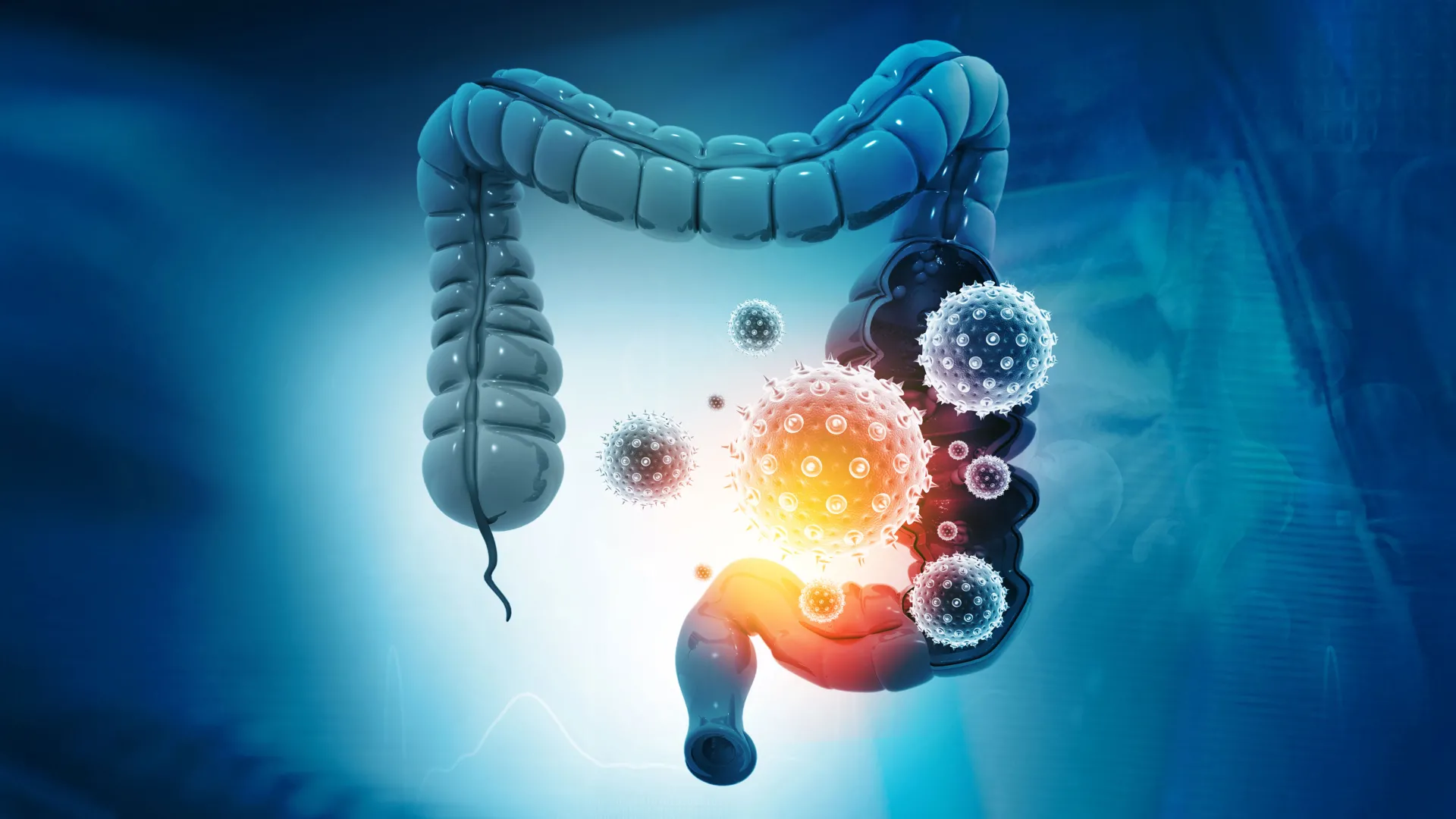
Scientists at the University of Geneva have developed a groundbreaking approach to colorectal cancer detection that could eliminate the need for colonoscopies by analyzing gut bacteria in simple stool samples. Using machine learning to create the first comprehensive catalogue of human gut microbiota at the subspecies level, researchers achieved a 90% detection rate for colorectal cancer, rivaling the accuracy of traditional colonoscopic screening. The breakthrough, published in Cell Host & Microbe, represents a major advance in non-invasive cancer screening and could dramatically improve early detection rates by offering a more accessible alternative to current methods.
Colorectal cancer ranks as the second leading cause of cancer-related deaths worldwide, yet many cases are diagnosed late when treatment options are more limited. The high cost and discomfort associated with colonoscopies often discourage people from getting screened on schedule, contributing to delayed diagnoses and worse outcomes. "Instead of relying on the analysis of the various species composing the microbiota, which does not capture all meaningful differences, or of bacterial strains, which vary greatly from one individual to another, we focused on an intermediate level of the microbiota, the subspecies," explained Mirko Trajkovski, professor in the Department of Cell Physiology and Metabolism at UNIGE Faculty of Medicine.
The research team overcame a major challenge in microbiome analysis by recognizing that different bacterial strains within the same species can behave very differently, with some contributing to cancer development while others have no effect. By focusing on bacterial subspecies, they found a level of analysis specific enough to capture meaningful functional differences while remaining general enough to detect patterns across different populations and countries. This approach proved crucial for developing a screening method that could work reliably across diverse patient groups.
The development required sophisticated computational analysis of massive biological datasets. "As a bioinformatician, the challenge was to come up with an innovative approach for mass data analysis," said Matija Trickovic, PhD student in Trajkovski's lab and the study's first author. "We successfully developed the first comprehensive catalogue of human gut microbiota subspecies, together with a precise and efficient method to use it both for research and in the clinic." The team combined their bacterial catalogue with existing clinical datasets to build a model capable of identifying colorectal cancer using only stool samples.
The implications extend far beyond colorectal cancer screening, as the bacterial catalogue and analysis methods could potentially be applied to other diseases where gut microbiota plays a role. The non-invasive nature of the test could make regular screening more acceptable to patients, potentially catching cancers earlier when they are most treatable. With cases of colorectal cancer rising among younger adults for unclear reasons, having a simple, accurate screening tool could prove invaluable for identifying at-risk individuals and improving overall survival rates through earlier intervention.