Republicans in Congress Grow Frustrated Over Trump's Iran War Strategy
GOP lawmakers who gave administration wide latitude for military action now demand details about ground troops, costs, and timeline as conflict drags on.

Republican members of Congress who initially rallied behind the Trump administration's military campaign against Iran are increasingly voicing frustration over the lack of a clear strategy, demanding answers about the potential deployment of ground troops, the mounting costs of the operation, and a realistic timeline for ending the conflict.
The growing discontent within the president's own party marks a notable shift from the near-unanimous Republican support that greeted the initial strikes against Iran on February 28. In the weeks since, as the conflict has expanded in scope and the economic fallout has intensified, a growing number of GOP lawmakers have moved from quiet concern to public criticism.
Senator Lindsey Graham of South Carolina, one of the most hawkish voices in the Republican caucus and an early supporter of military action, said this week that the administration owes Congress a detailed briefing on its war aims and the resources required to achieve them. Graham said he remains committed to degrading Iran's nuclear capabilities but expressed concern that the campaign appears to lack clear objectives beyond the initial strikes.
Representative Michael McCaul of Texas, the chairman of the House Foreign Affairs Committee, sent a formal letter to National Security Advisor Mike Waltz requesting a classified briefing on the administration's military strategy, including its plans for the Strait of Hormuz, the potential use of ground forces, and the estimated cost of ongoing operations. McCaul said Congress has a constitutional responsibility to oversee military engagements and that the administration's communication has been inadequate.
The frustration extends to the war's economic consequences. Republican lawmakers representing districts heavily affected by rising gasoline prices and increased transportation costs said their constituents are growing impatient. Representative Don Bacon of Nebraska, whose Omaha-area district includes a major Air Force base, said voters in his district support the troops but are asking hard questions about why prices are rising and when the conflict will end.
The administration has invoked the 2001 Authorization for Use of Military Force and the president's constitutional authority as commander in chief as the legal basis for the campaign, arguing that Iran's support for terrorism and its nuclear weapons program constitute threats that justify military action without a new congressional authorization. Several Republican constitutional scholars have disputed that interpretation, saying the 2001 AUMF was designed to address the perpetrators of the September 11 attacks and does not extend to a conventional war against a nation-state.
Senator Rand Paul of Kentucky, the most vocal war skeptic in the Republican caucus, introduced a resolution this week to require the president to seek congressional authorization within 60 days or withdraw forces from the conflict. The resolution attracted co-sponsorship from Senators Mike Lee of Utah and J.D. Vance of Ohio, though it is unlikely to reach the 60 votes needed to advance in the Senate.
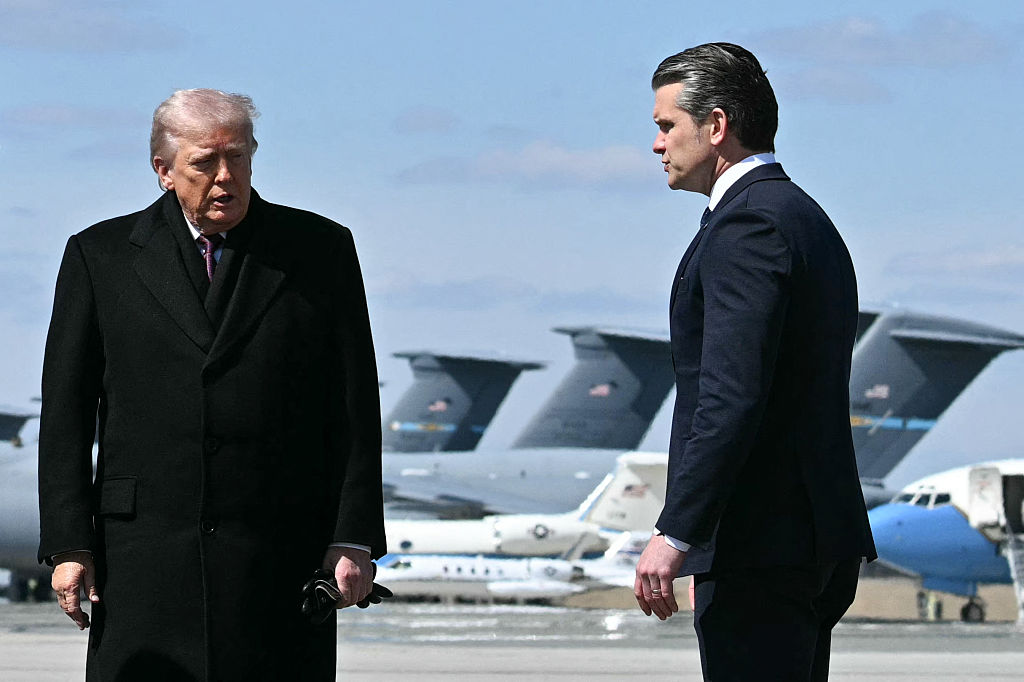
The White House has sought to manage the discontent through a combination of private briefings and public reassurances. Secretary of Defense Pete Hegseth held a classified session with Republican senators on Tuesday in which he described the campaign as proceeding according to plan and said the military expected to achieve its primary objectives within weeks. However, several senators who attended the briefing said the presentation raised more questions than it answered, particularly regarding the administration's plan for securing the Strait of Hormuz.
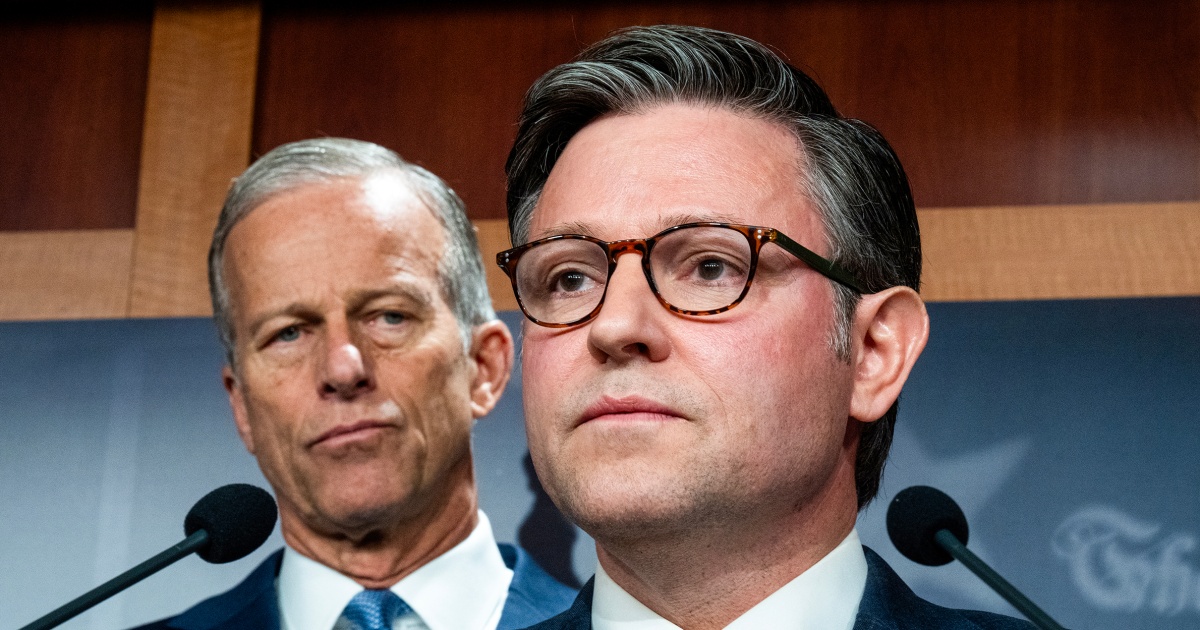
Democrats have largely stayed on the sidelines of the intra-Republican debate, calculating that the GOP's internal divisions will put more pressure on the administration than opposition criticism. Senate Majority Leader John Thune has tried to maintain party unity by encouraging the administration to provide more frequent briefings, but several Republican senators have signaled that their patience is running out.
The political dynamics of the situation are complicated by the 2026 midterm elections, now less than eight months away. Republican strategists worry that a prolonged conflict with visible economic consequences could erode the party's advantage on national security issues and give Democrats an opening to campaign on pocketbook concerns.