Postal Service Financial Crisis Threatens to Cut Mail Service and Raise Prices
Despite numerous reform attempts, USPS officials warn the agency's 1970s business model is unsustainable and major changes are coming.
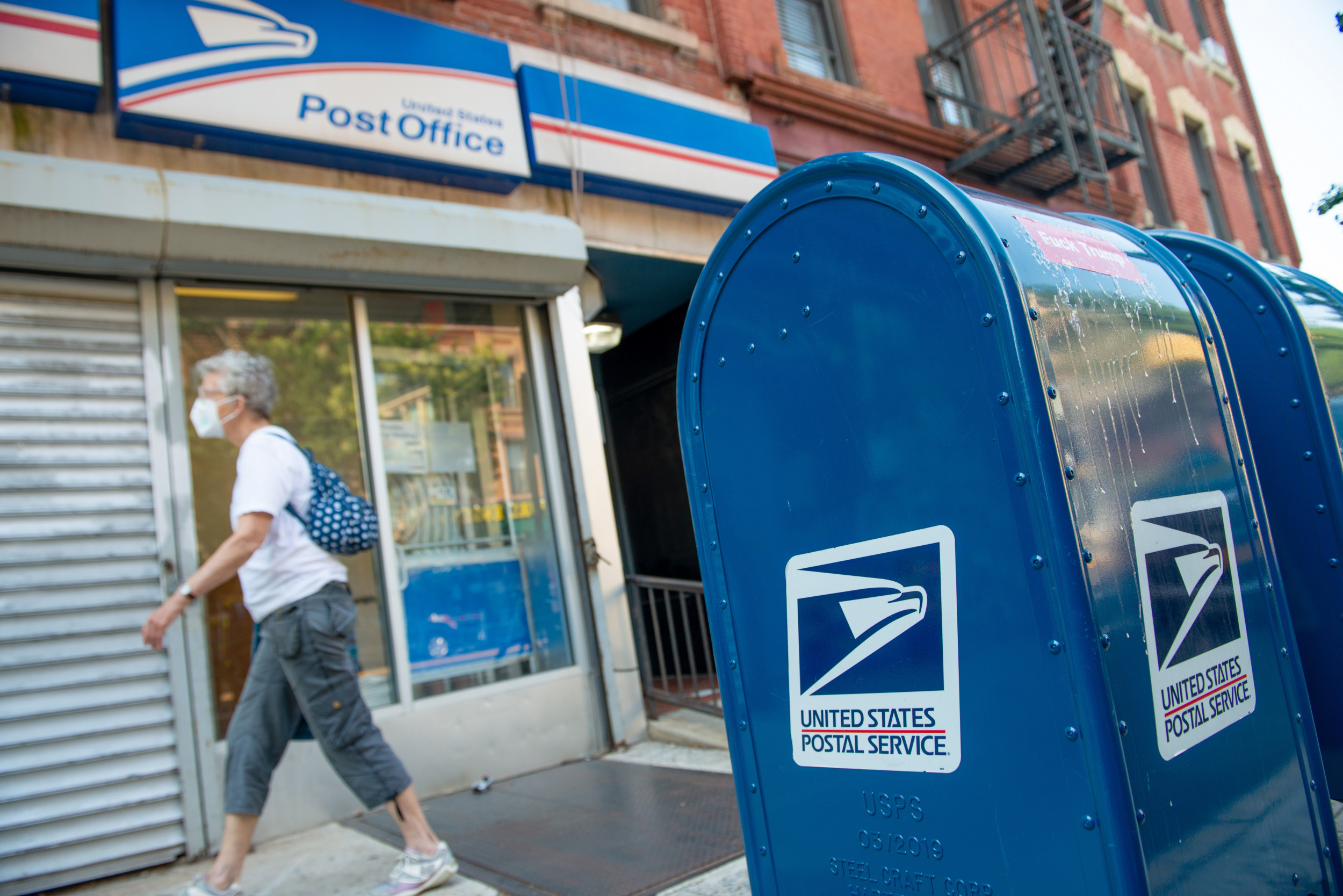
The United States Postal Service is facing a severe financial crisis that could force dramatic reductions in mail service and significant price increases for consumers across the country. Despite numerous attempts at reform over the past several decades, postal officials warn that the agency's fundamental business model has remained virtually unchanged since 1970, leaving it unable to adapt to modern economic realities and declining mail volumes.
USPS leadership is now proposing sweeping changes that would represent the most significant transformation of postal service in more than half a century. The proposed reforms include reducing delivery frequency, potentially ending Saturday delivery in many areas, and implementing substantial price increases across all classes of mail. These changes reflect the agency's struggle to maintain operations while facing declining revenue from traditional mail services and increasing costs for labor, transportation, and infrastructure maintenance.
The financial pressures on USPS have been building for years, but recent economic challenges have accelerated the crisis to a critical point. The agency continues to operate under congressional mandates that require it to maintain universal service to all American addresses while also functioning as a self-sustaining entity without direct taxpayer subsidies. This dual requirement has created an increasingly untenable situation as digital communication has dramatically reduced demand for traditional mail services.
Postal officials argue that without significant reforms, the agency faces the prospect of service disruptions that could affect millions of Americans who rely on mail delivery for medications, government benefits, and other essential services. Rural communities would likely be disproportionately affected by service cuts, as these areas often lack alternative delivery options and depend heavily on USPS for connectivity to the broader economy and government services.
The proposed changes have already generated controversy among lawmakers and postal worker unions, who argue that reducing service levels would undermine USPS's mission and harm vulnerable populations. However, agency officials maintain that without decisive action, the alternative could be far worse, potentially including partial shutdowns or emergency interventions that could disrupt service even more severely. The debate over postal reform is expected to intensify in the coming months as Congress considers legislation that could either authorize the proposed changes or mandate alternative solutions to the agency's financial challenges.