Congress Demands CFTC Probe After 50 Anonymous Accounts Bet on Iran Ceasefire Minutes Before Trump Announced It
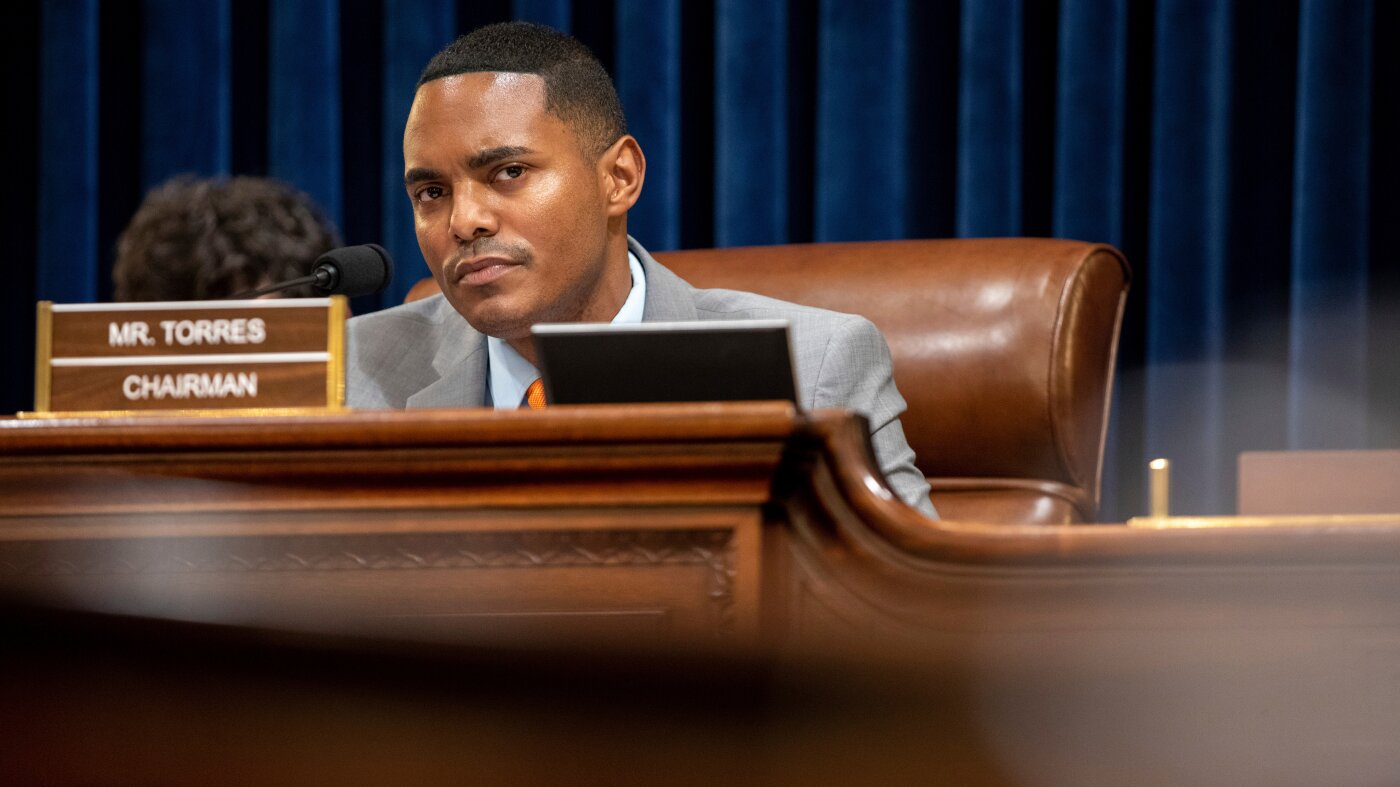
Rep. Ritchie Torres sent a letter to federal regulators Thursday demanding an investigation into suspiciously timed prediction market trades tied to the Iran war, as a Harvard study estimates $143 million in likely insider profits since the conflict began.
Washington — At least 50 brand-new Polymarket accounts placed large bets on a US-Iran ceasefire in the hours — some within minutes — before President Trump announced the ceasefire on social media, according to an investigation published Friday. The accounts had no prior trading history and made the ceasefire bet as their sole trade, a pattern that has alarmed lawmakers and set off a bipartisan push for federal scrutiny of the prediction market industry.
Rep. Ritchie Torres (D-NY), who sits on the House Financial Services Committee and its subcommittee on digital assets, sent a letter Thursday to the Commodity Futures Trading Commission demanding an investigation into what he called an unmistakable pattern of insider trading. "There are two answers to how these accounts knew what was coming: God, or an insider trader," Torres wrote. The CFTC has broad authority over derivatives markets and has previously sought to limit Polymarket's operations in the United States.
The ceasefire betting is only the latest suspected leak to surface. In the hours before Operation Epic Fury — the US-led strike campaign against Iran — began in late February, a single Polymarket account identified online as "Magamyman" made roughly $553,000 betting that the US would strike Iran and that Supreme Leader Ali Khamenei would be removed from power. Each prediction came true in quick succession.
A Harvard University study published last month estimated that $143 million in total profits have been made on Polymarket by individuals who appear to have had advance knowledge of major events — covering subjects as varied as Taylor Swift's engagement announcement, the Nobel Peace Prize winner, and multiple moments of the Iran war. The study's authors stopped short of alleging criminal conduct but said the statistical pattern of correctly timed, high-value trades was consistent with the use of insider information.
Sen. Richard Blumenthal (D-CT) sent a separate letter to Polymarket CEO Shayne Coplan calling the platform "an illicit market to sell and exploit national security secrets unlike any in history." Blumenthal argued that whether or not trading on inside information is technically illegal on prediction markets, the exploitation of classified intelligence to generate profit crosses a clear ethical and potentially legal line.
The White House response has been limited. Officials confirmed earlier this week that staff were warned not to place bets on prediction markets, but no formal investigation of White House personnel has been announced, and the administration has not explained how dozens of anonymous strangers managed to foresee a ceasefire announcement simultaneously.
At least two bipartisan bills are now pending in Congress — one in the House, one in the Senate — that would impose new restrictions on prediction market platforms, including mandatory trader identification and reporting requirements for large positions on geopolitical events. Critics of the bills argue they would stifle a legitimate financial instrument that has consistently outperformed traditional polling. Supporters say the current rules create a direct financial incentive to profit from classified information.
Polymarket operates primarily offshore and argues it falls outside the CFTC's jurisdiction over contracts-for-difference tied to domestic commodities. The situation has also drawn in Kalshi, a CFTC-regulated US-based prediction market, which saw its own unusual trading activity before the ceasefire announcement. Arizona has already filed 20 criminal counts against Kalshi related to separate issues, and federal authorities are now facing bipartisan pressure to act more broadly.
For many observers, the most alarming dimension is not the financial gain but the national security implication: if foreign adversaries can identify which traders have consistent advance knowledge of classified US military and diplomatic plans, they may be able to use market activity as a window into American decision-making — effectively reading US government intentions in near real time through financial data.