Plants Are Secretly Using Bacterial Genes to Make Medicine — A Discovery That Could Unlock Thousands of Unknown Drug Candidates
University of York scientists found that a gene producing the alkaloid securinine looks nothing like other plant genes — it looks bacterial, suggesting plants borrowed genetic machinery from microbes millions of years ago.

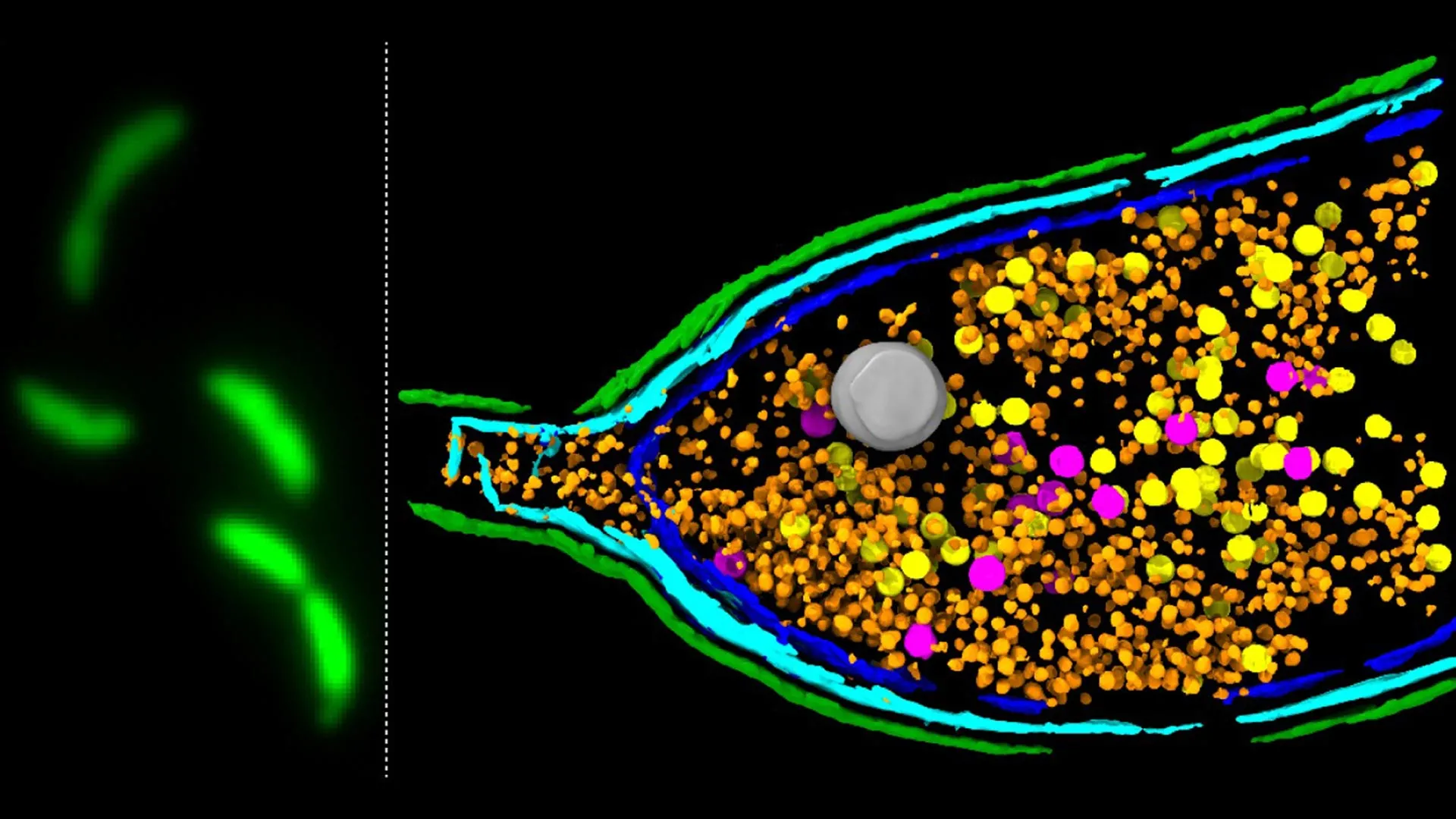
Researchers at the University of York have identified a plant gene with striking structural and functional similarities to bacterial enzymes, a finding that upends longstanding assumptions about the evolutionary separation between plant and microbial biochemistry and opens a potential shortcut for discovering new pharmaceutical compounds. The study, published in New Phytologist in February 2026, centers on the biosynthetic pathway for securinine, a piperidine alkaloid produced by plants in the genus Securinega that has demonstrated activity against leukemia cells and neurodegenerative conditions in preliminary research.
The York team, led by researchers in the department of biology, found that a key enzyme in the securinine biosynthesis pathway bears unexpected homology to enzymes found in soil bacteria rather than to the plant enzymes researchers assumed were responsible. The discovery suggests that horizontal gene transfer — the direct exchange of genetic material between unrelated organisms, common in bacteria but considered rare in complex plants — may have occurred at some point in the evolutionary history of Securinega species. If confirmed through further phylogenetic analysis, it would represent one of the clearest examples of bacterial-to-plant horizontal gene transfer producing a functionally significant metabolic innovation.
The practical implications for drug discovery are considerable. Securinine and related alkaloids belong to a structural class that medicinal chemists have long found difficult to synthesize efficiently in the laboratory. Plants produce these compounds through enzyme-catalyzed reactions that proceed with stereochemical precision impossible to replicate cheaply through conventional organic synthesis. The identification of the bacterial-like enzyme responsible for a key step in securinine biosynthesis now gives researchers a defined molecular target for engineering microbial production systems — essentially outsourcing difficult chemistry to genetically modified bacteria or yeast that could produce pharmaceutical precursors at scale.
The research also highlights the broader potential of examining plant natural product pathways for signs of horizontal gene acquisition. Plants are estimated to produce more than 200,000 distinct secondary metabolites, many of which have pharmacological activity, but the biosynthetic genes responsible for most of these compounds remain uncharacterized. The York study's methodology — comparing plant enzyme sequences against bacterial databases rather than restricting searches to plant gene families — offers a systematic approach to identifying unexpected evolutionary origins that might otherwise be missed. Compounds derived from pathways with bacterial ancestry may represent an underexplored reservoir of structural diversity for drug development.
Collaborating institutions including groups in the Netherlands and Canada contributed computational analysis of the enzyme's three-dimensional structure, confirming that the plant version retains the active site geometry characteristic of its bacterial homologs. The researchers are now working to characterize the full securinine pathway and identify whether additional steps also involve horizontally transferred genes. A complete biosynthetic map of securinine would enable total biosynthesis in an engineered microorganism, potentially allowing researchers to generate libraries of structural analogs for screening against cancer cell lines and neurological disease models.