Pentagon Asks for $200 Billion to Keep Fighting Iran — and Faces Revolt From Its Own Party
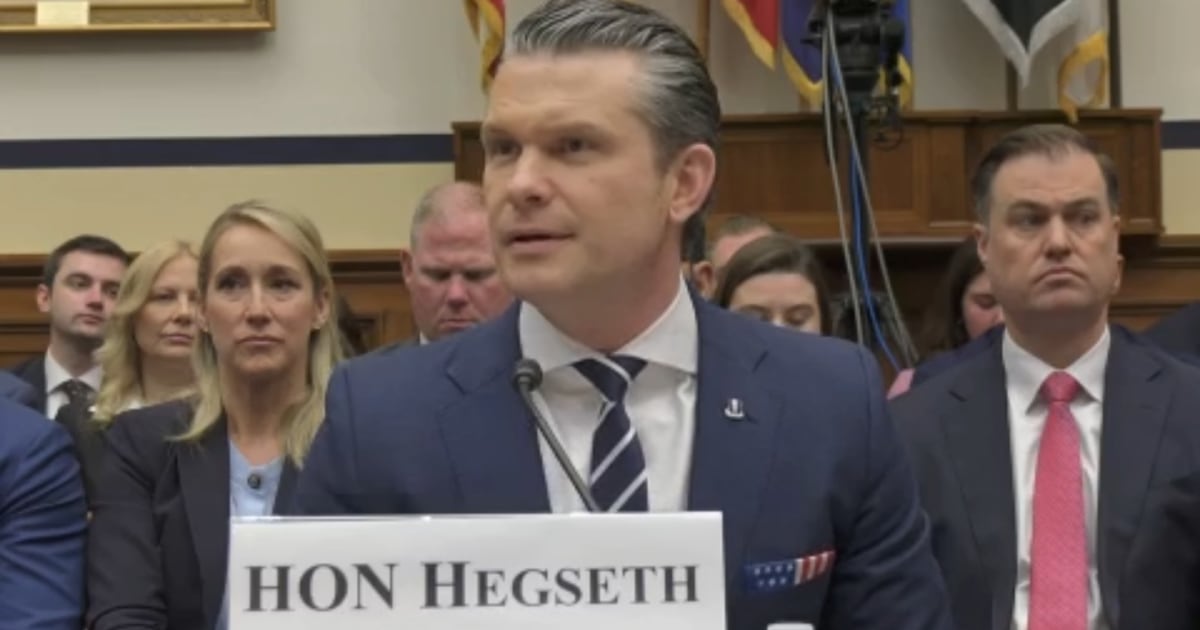
Defense Secretary Hegseth confirmed the largest military supplemental request in American history, saying 'it takes money to kill bad guys,' but Republican Rep. Boebert said 'I am a No,' and Sen. Murkowski demanded a strategic plan before approving any war spending.
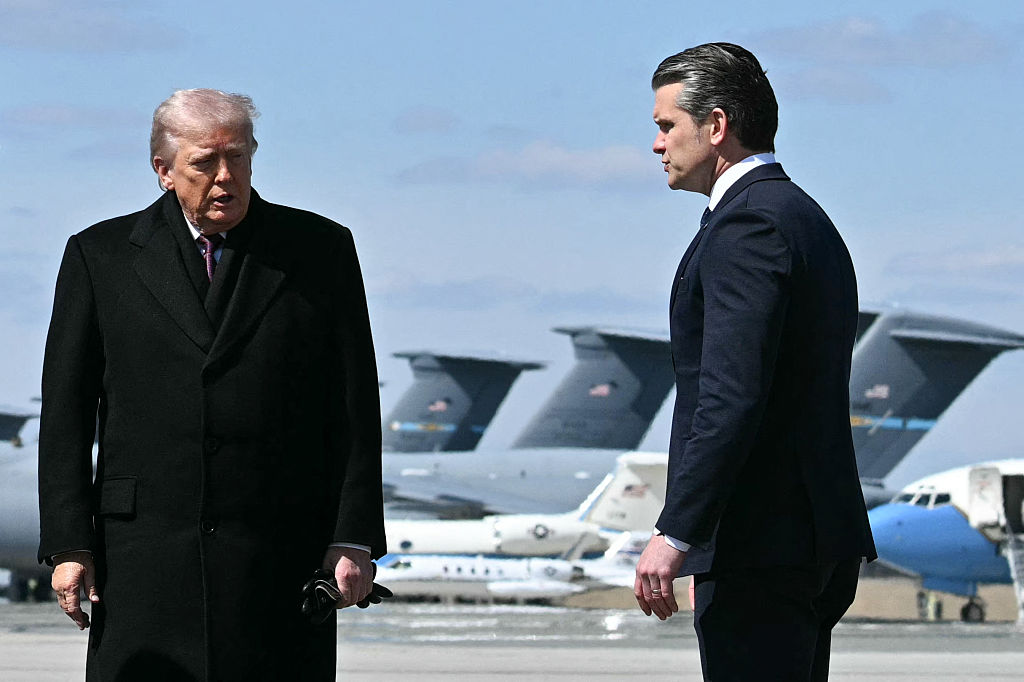
The Pentagon has formally asked the White House to send Congress a request for more than $200 billion in supplemental war funding for the ongoing military campaign against Iran — an extraordinary sum that would dwarf any comparable emergency appropriation in American history and that has ignited a rare bipartisan revolt among lawmakers who say the request is reckless, undefined, and fiscally irresponsible.
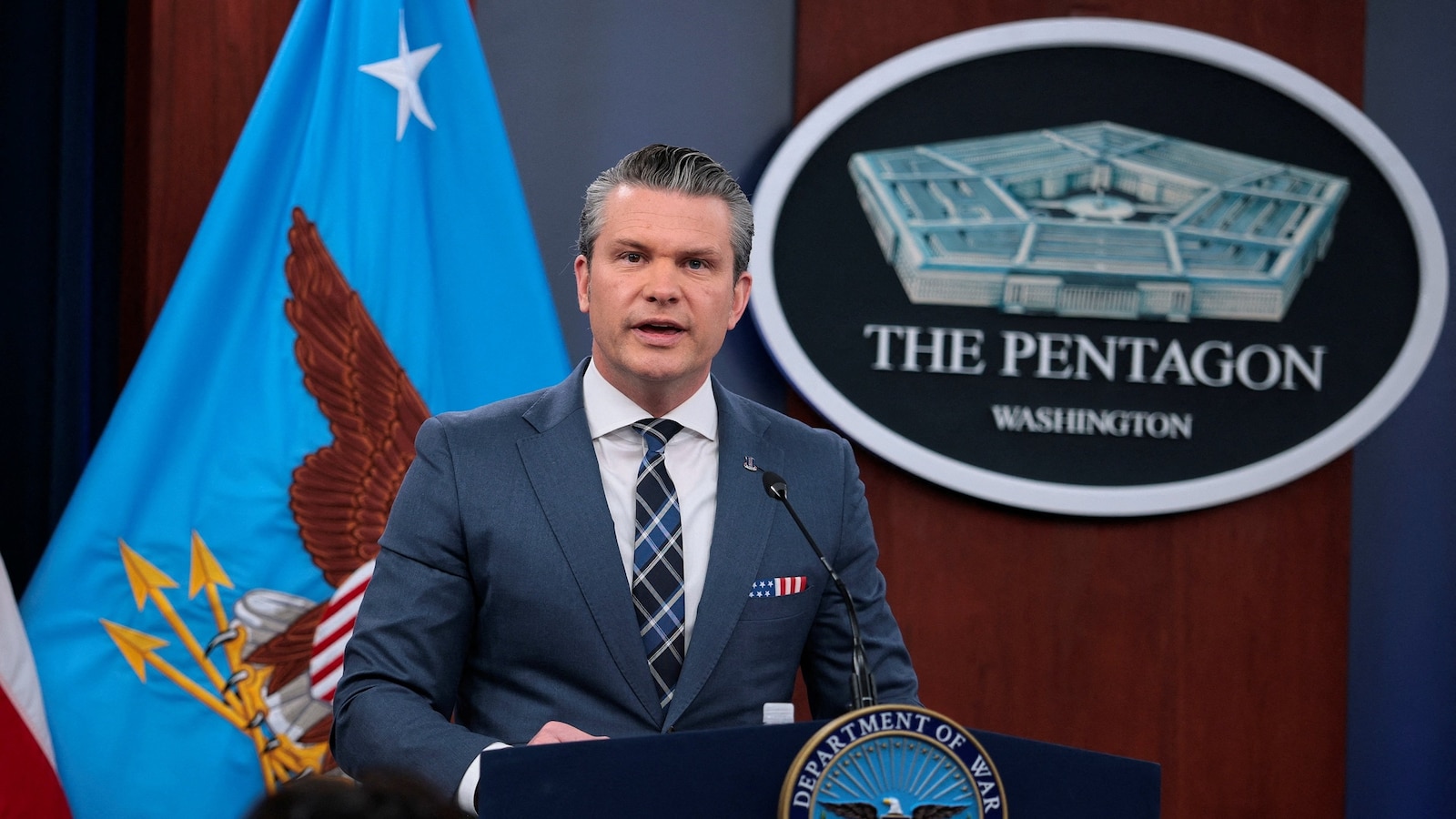
Defense Secretary Pete Hegseth confirmed the supplemental request during a Pentagon press conference Thursday, while hedging on the final number. "As far as $200 billion, I think that number could move," Hegseth said. "Obviously, it takes money to kill bad guys." The request, first reported by the Washington Post, is intended to replenish munitions stockpiles drawn down by the campaign — the U.S. has struck more than 7,000 targets inside Iran since February 28, spending more than $1 billion per day on strike operations alone, according to National Economic Council Director Kevin Hassett.
But the ask has run into immediate resistance, and not just from Democrats. Rep. Lauren Boebert of Colorado, a Trump ally and fiscal conservative, told CNN Thursday that she would not vote for the funding under any circumstances. "I am a 'No,' period," Boebert said. "I've already told leadership: I am a no on any war supplementals. I am so tired of spending money elsewhere." Rep. Chip Roy of Texas, another Republican fiscal hawk, said he wants "a whole lot more briefing and a whole lot more explaining to do on how we're going to pay for it and what's the mission here." Sen. Lisa Murkowski of Alaska, one of the Senate's key Republican moderates and a senior appropriations figure, said she will not support additional war funding until the White House presents a detailed strategic plan.
Democrats are united in opposition, though for different reasons. House Minority Leader Hakeem Jeffries called the Iran conflict "a reckless war" and said the $200 billion would be better spent on healthcare, housing, and education. Senate Minority Leader Chuck Schumer said the request signals that the administration is planning for an extended conflict, directly contradicting Trump's assurances that the campaign would be brief. "This is not a two-week war. This is a forever war," Schumer said. "And the American people are going to pay for it."
The White House and Republican congressional leaders are said to be exploring whether to include the war funding in the budget reconciliation bill currently moving through Congress — a procedural maneuver that would allow the package to pass with a simple Senate majority rather than the 60 votes needed to break a filibuster. But even that path faces obstacles, as a reconciliation bill requires a specific budgetary justification, and critics argue that open-ended war spending does not qualify.
The scale of the request is staggering in historical context. The entire supplemental appropriation for the first year of the Iraq War in 2003 was $79 billion. The $200 billion figure, if approved, would represent roughly 17 percent of the entire annual Pentagon budget and would be the largest single military supplemental in U.S. history by a significant margin. It would also add to a federal deficit that was already on track to exceed $2 trillion this fiscal year before the war began.
Beyond the politics, defense analysts raised questions about whether the U.S. industrial base can absorb a $200 billion injection quickly enough to make a near-term difference. The most pressing shortages are in precision-guided munitions — the Joint Direct Attack Munitions and Tomahawk cruise missiles that have been expended in massive quantities against Iranian targets. Production lines for these weapons cannot be ramped up in months; even with emergency funding, analysts say meaningful increases in munitions output are 18 to 24 months away at minimum.
President Trump, asked about the request at the White House on Thursday, said the amount would be a "small price to pay" for degrading Iran's nuclear and missile capabilities. He repeated claims that Iran has lost the ability to enrich uranium or produce ballistic missiles — assertions that the head of the International Atomic Energy Agency explicitly disputed, saying Iran's enrichment infrastructure, though damaged, retains significant residual capacity.