Pam Bondi Refuses to Testify on Epstein Files, Democrats Threaten Contempt
The fired attorney general will not appear for her April 14 House Oversight deposition, claiming the subpoena expired with her office, in a move that drew bipartisan criticism.
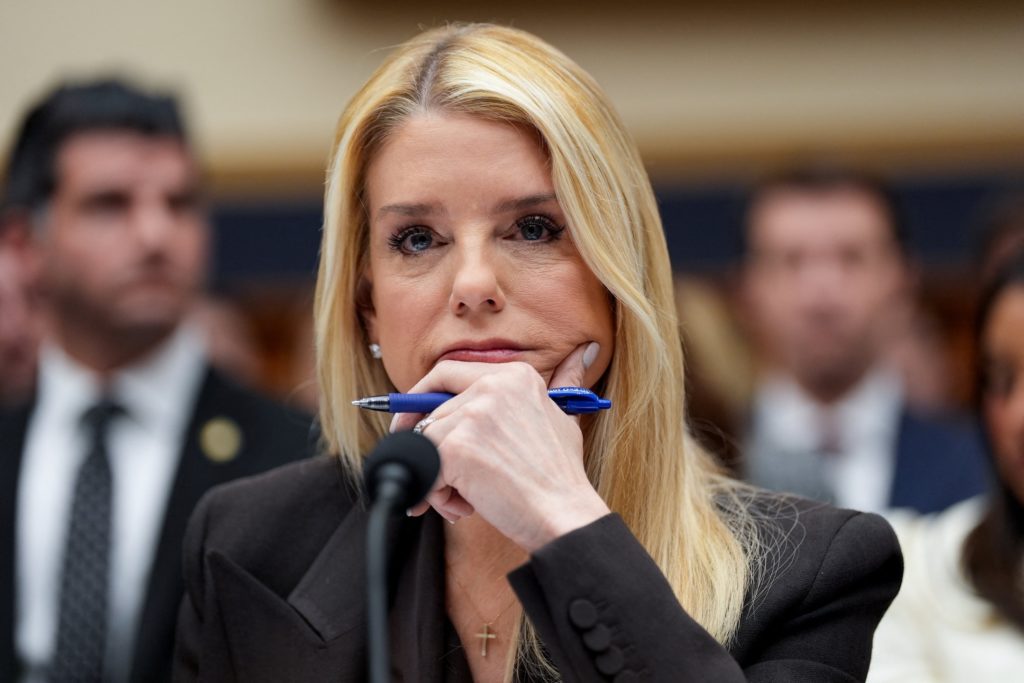
Former Attorney General Pam Bondi will not appear before the House Oversight Committee for her scheduled April 14 deposition on the Justice Department's handling of the Jeffrey Epstein files, according to notice delivered to the committee Wednesday. The move triggered immediate threats of contempt proceedings from Democrats and drew criticism from at least one Republican committee member, setting up a potential constitutional standoff over the reach of congressional subpoena power over former executive branch officials.
Bondi was subpoenaed by the House Oversight Committee in her capacity as attorney general to answer questions about the DOJ's decisions regarding the release — or suppression — of documents related to Epstein's associates and victims. The DOJ notified the committee that because Bondi no longer holds office, having been fired by President Trump on April 2, the subpoena issued to the attorney general no longer compels her personal appearance. A committee spokeswoman confirmed the DOJ's argument, saying Bondi was subpoenaed in her capacity as attorney general and that the administration had signaled she would not comply.
Rep. Robert Garcia of California, the committee's ranking Democratic member, rejected the argument outright. "Now that Pam Bondi has been fired, she's trying to get out of her legal obligation to testify about the Epstein files and the White House cover-up," Garcia said in a statement. "We will pursue all available remedies, including contempt, to compel her appearance." Democratic members have argued that Bondi's knowledge of internal DOJ deliberations does not expire with her title, and that the information she possesses about Epstein-related decision-making belongs to the public record.
Notably, criticism of Bondi's refusal crossed party lines. Rep. Nancy Mace, a South Carolina Republican, issued a statement saying: "Bondi cannot escape accountability simply because she no longer holds the office of Attorney General." Mace has been among the more vocal Republican voices demanding transparency on the Epstein files and appeared alongside Democratic colleagues earlier this week in calling for survivors to be given a platform to testify publicly.
President Trump fired Bondi on April 2 after reports emerged that he was furious about the DOJ's approach to releasing the Epstein documents. The White House has declined to confirm the specific reasons for her dismissal. Deputy Attorney General Todd Blanche was elevated to acting attorney general following Bondi's departure, and when pressed publicly about Trump's motives, Blanche said only that "the president alone knows why he made that decision."
Bondi's attorney released a brief statement Thursday defending her position. "Ms. Bondi served the American people faithfully as attorney general and complied with all legal obligations during her tenure. She disputes that the subpoena as served requires her personal testimony in her private capacity after leaving office." Legal scholars are divided on whether the argument holds up. Several constitutional law experts contacted by major news organizations said there is significant precedent for former officials being compelled to testify before Congress on matters within their former official knowledge, and that Bondi's legal team faces an uphill battle if the committee chooses to pursue contempt charges in court.
The Epstein files controversy has been festering for months, driven by public pressure from victims' advocates, members of Congress on both sides of the aisle, and most recently the First Lady herself, who on Thursday called on Congress to hold a public hearing for Epstein survivors with testimony entered into the Congressional Record. The White House has not publicly supported or opposed that call. With Bondi refusing to appear and the files themselves still not fully released, the prospect of definitive answers about who knew what — and when — remains elusive.