Bondi Defies House Subpoena on Epstein Files, Democrats Threaten Contempt Charges
DOJ argues the bipartisan subpoena became void when Trump fired Bondi on April 2 — a legal theory that Republicans who voted for it immediately rejected.
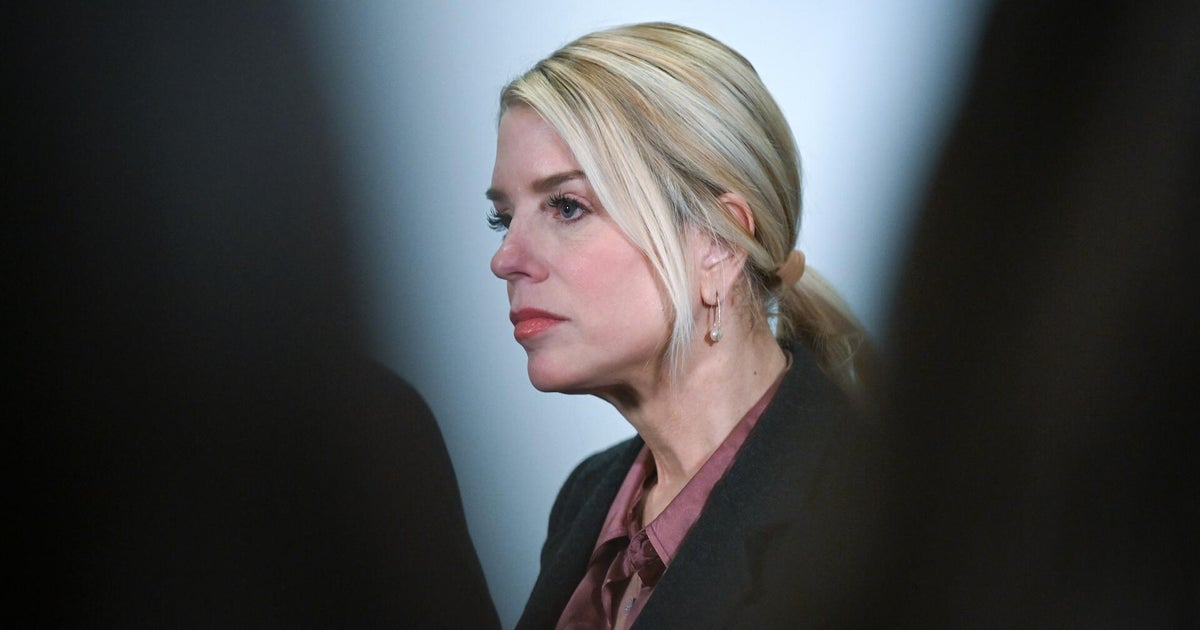
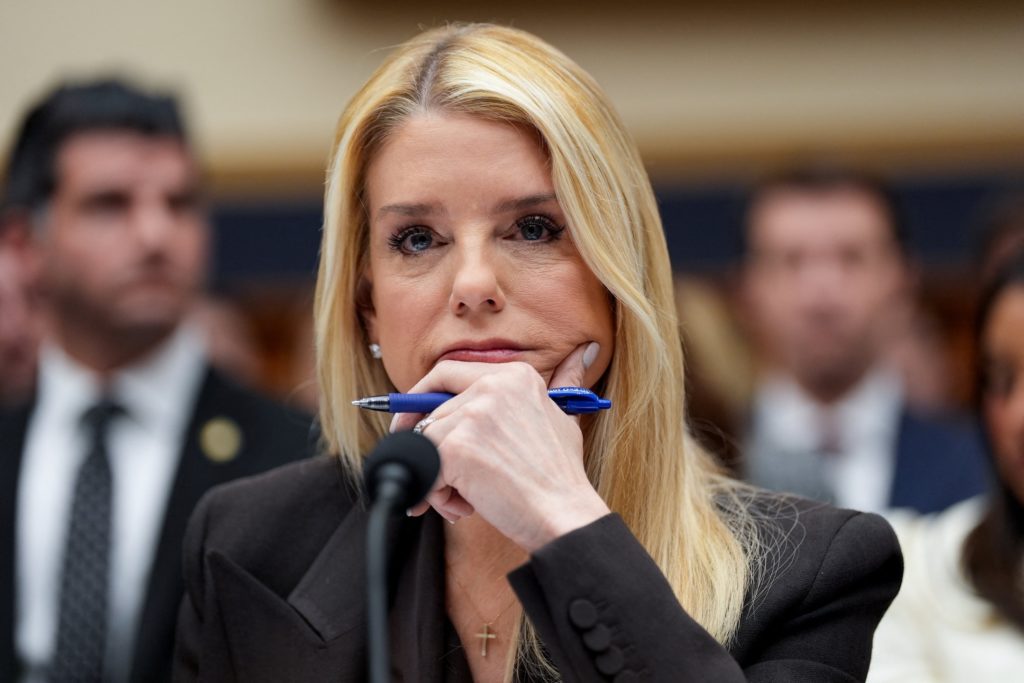
Former Attorney General Pam Bondi will not appear before the House Oversight Committee for her scheduled April 14 deposition on the Justice Department's handling of Jeffrey Epstein files, the DOJ announced Wednesday — setting up a constitutional clash over congressional subpoena power that could result in the first contempt referral against a former attorney general in modern history.
The Department of Justice, in a letter signed by Assistant Attorney General Patrick D. Davis, argued that because Bondi was fired by President Trump on April 2, the subpoena — which compelled her testimony in her capacity as attorney general — "no longer obligates her to appear." The DOJ's position is that the congressional subpoena died when the office changed hands. Democrats and at least one Republican immediately rejected that reasoning.
"Pam Bondi has been fired, she's trying to get out of her legal obligation to testify," said Rep. Robert Garcia of California, the top Democrat on the House Oversight Committee. "Our bipartisan subpoena is to Pam Bondi, whether she is the Attorney General or not. If she defies the subpoena, we will begin contempt charges in the Congress. The survivors deserve justice." Rep. Nancy Mace of South Carolina, who originally moved to subpoena Bondi, was equally firm: "Bondi cannot escape accountability simply because she no longer holds the office of Attorney General."
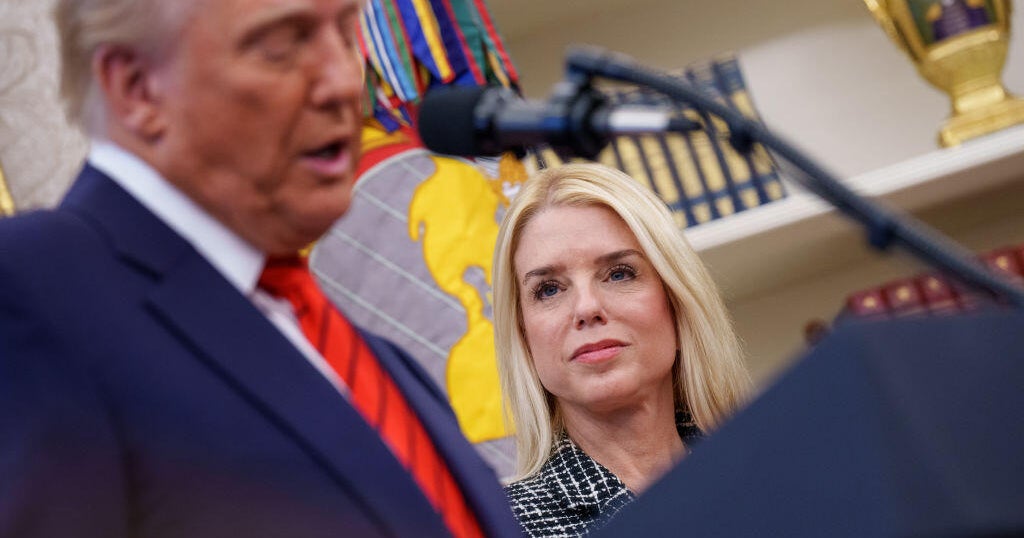
Trump fired Bondi on April 2 following reports that he was deeply dissatisfied with her handling of the DOJ's release of millions of Epstein case files. The disclosure of those documents — many containing lurid allegations about unnamed wealthy and powerful individuals — created a political firestorm that Bondi struggled to manage. Deputy Attorney General Todd Blanche was elevated to acting attorney general but has told reporters he has no knowledge of why Trump made the decision. "Nobody has any idea," Blanche said at his first news conference after taking the role.
The House Oversight Committee's bipartisan subpoena was passed last month with five Republicans — Reps. Tim Burchett, Michael Cloud, Lauren Boebert, Scott Perry and Nancy Mace — voting alongside every Democrat to compel Bondi's testimony. That unusual cross-aisle coalition reflected how much the Epstein files had animated members of both parties, with the victims' families and Republican members frustrated by what they saw as the DOJ's slow-rolling of document releases.
Epstein survivors Maria Farmer and Annie Farmer issued a statement saying the DOJ's intervention to block Bondi's testimony "weakens our confidence in the government's willingness to hold accountable those who enabled Epstein's heinous crimes." Rep. Ro Khanna of California, who introduced the Epstein Files Transparency Act to require full disclosure of all records, called the DOJ's position "an abuse of executive power."
The standoff raises urgent questions about whether any executive branch official can evade congressional oversight simply by being removed from office before a deposition. Legal scholars note that courts have generally allowed Congress to compel testimony from former officials about conduct performed while in office, particularly in cases involving potential criminal activity or obstruction. If Bondi continues to defy the subpoena, the committee's threat to initiate contempt proceedings would put the Republican-controlled House in the politically uncomfortable position of choosing between protecting Trump and pursuing transparency on Epstein — a case that implicates powerful figures across both parties.