Oil Markets Grow Skeptical of Trump's Peace Signals as Iran War Drags On
After oscillating between diplomacy and military threats, the president faces growing market resistance to his attempts to calm oil prices through peace overtures.

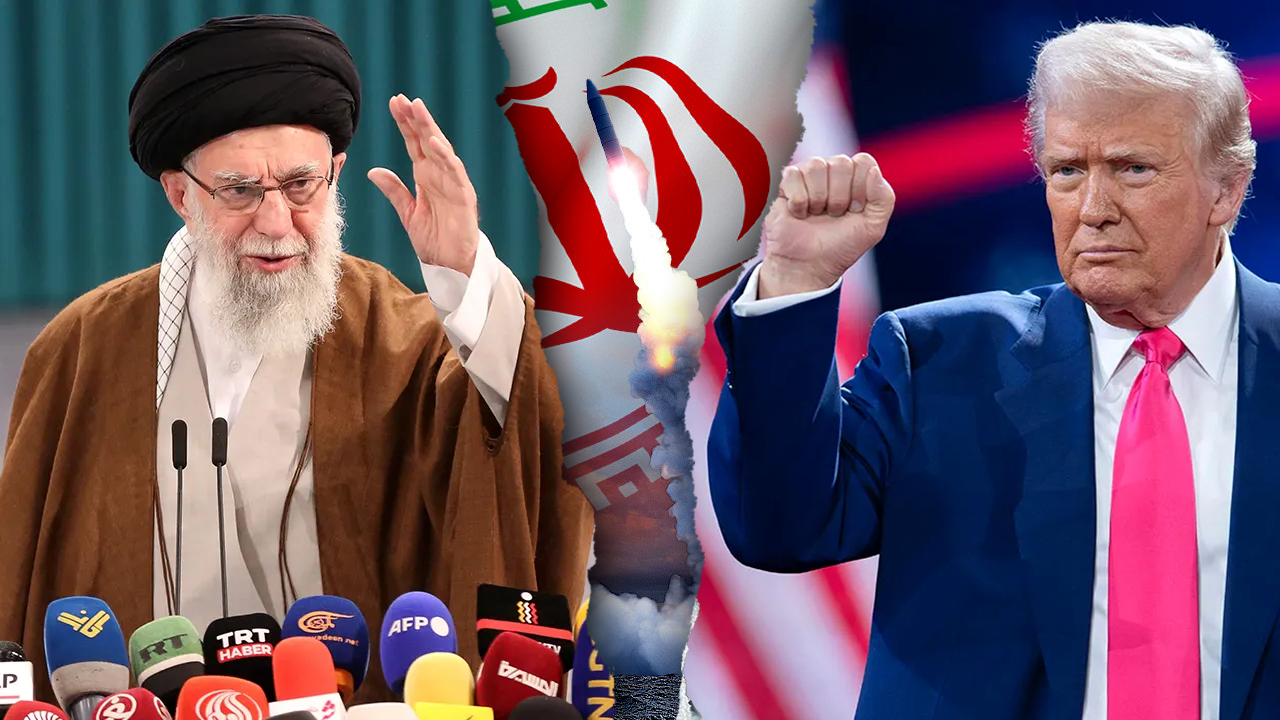
Oil markets are showing increasing skepticism toward President Trump's diplomatic signals regarding the Iran conflict, as traders question whether his peace overtures can deliver meaningful results after weeks of escalating military action. The president's strategy of alternating between aggressive military threats and suggestions of diplomatic progress has created a volatile trading environment where markets are becoming less responsive to his attempts to talk down oil prices.
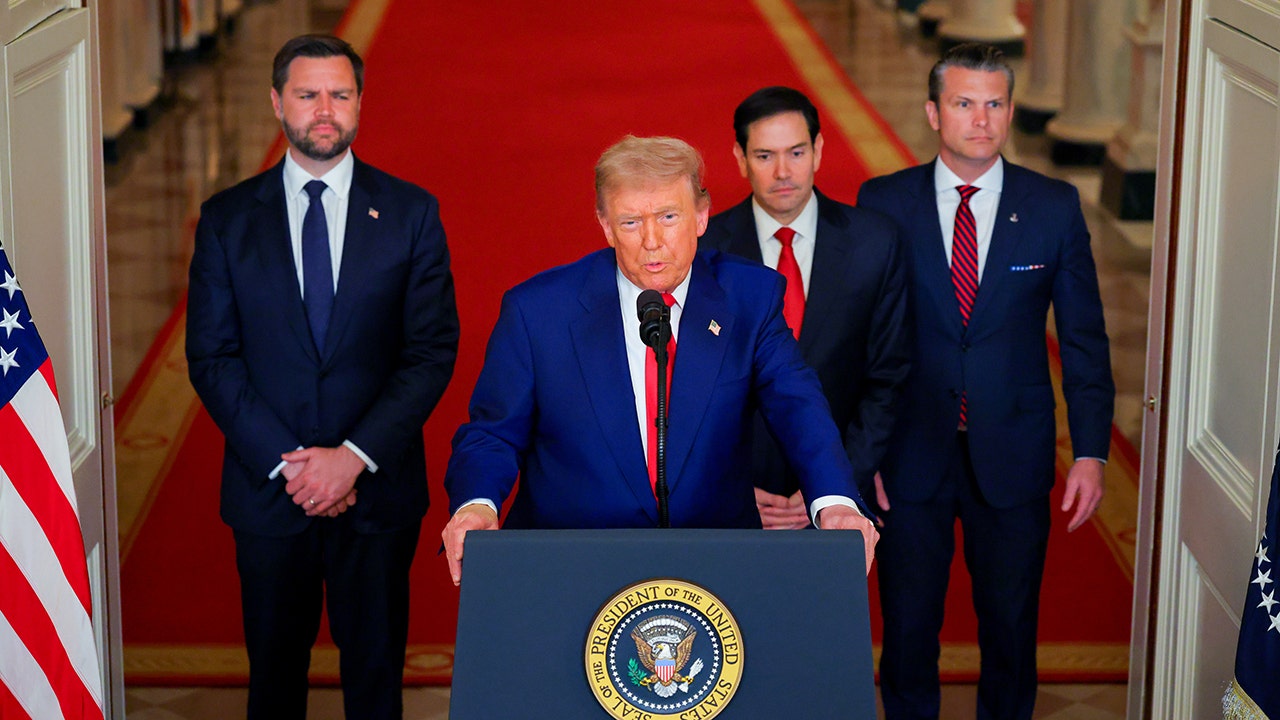
Trump's approach to managing oil markets has involved a careful balancing act between projecting military strength against Iran while simultaneously signaling openness to negotiations that could pause or end the conflict. This dual-track strategy initially showed some effectiveness in moderating price spikes, as traders responded to presidential tweets and statements suggesting potential breakthroughs in talks or temporary ceasefires. However, the continued military exchanges and lack of concrete diplomatic progress have eroded market confidence in these signals.
The skepticism reflects broader questions about Trump's ability to deliver on his campaign promise of quickly resolving what he termed "endless wars." His bet that American firepower could force Iran into compliance has not produced the rapid capitulation he anticipated. Iranian leaders have proven unwilling to back down despite sustained military pressure, creating a prolonged conflict that contradicts Trump's predictions of swift resolution.
Oil traders are increasingly focusing on actual military developments rather than presidential rhetoric when making trading decisions. The disconnect between Trump's optimistic diplomatic signals and ongoing military escalation has created what analysts describe as a credibility gap in energy markets. This shift represents a significant challenge for an administration that has relied heavily on presidential messaging to influence market sentiment across various sectors.
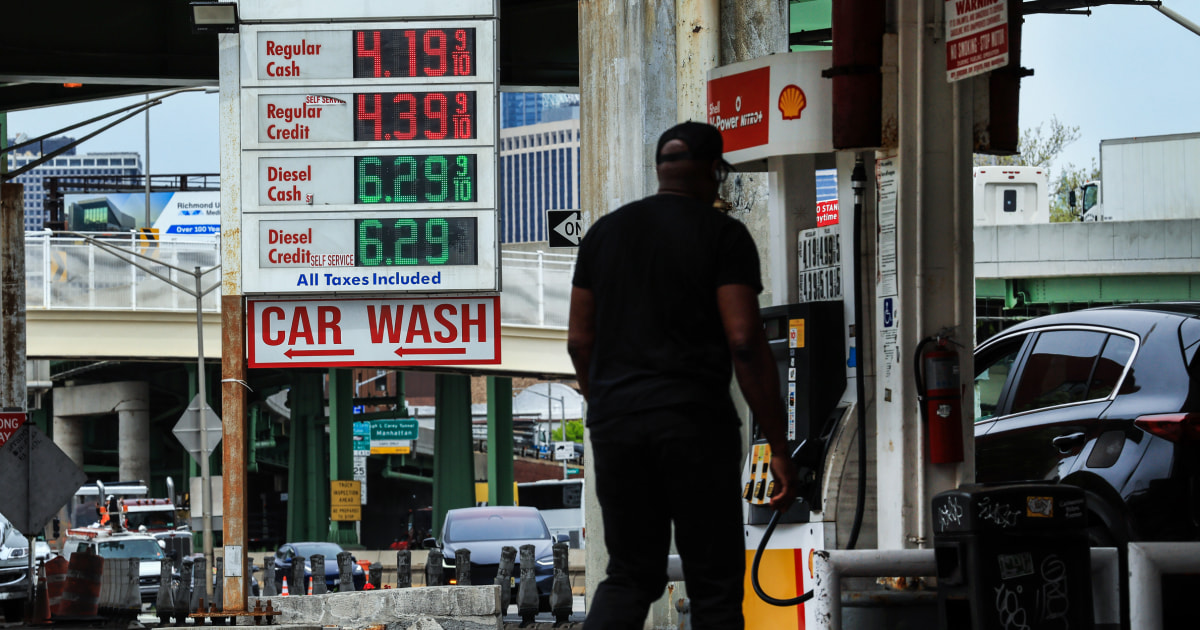
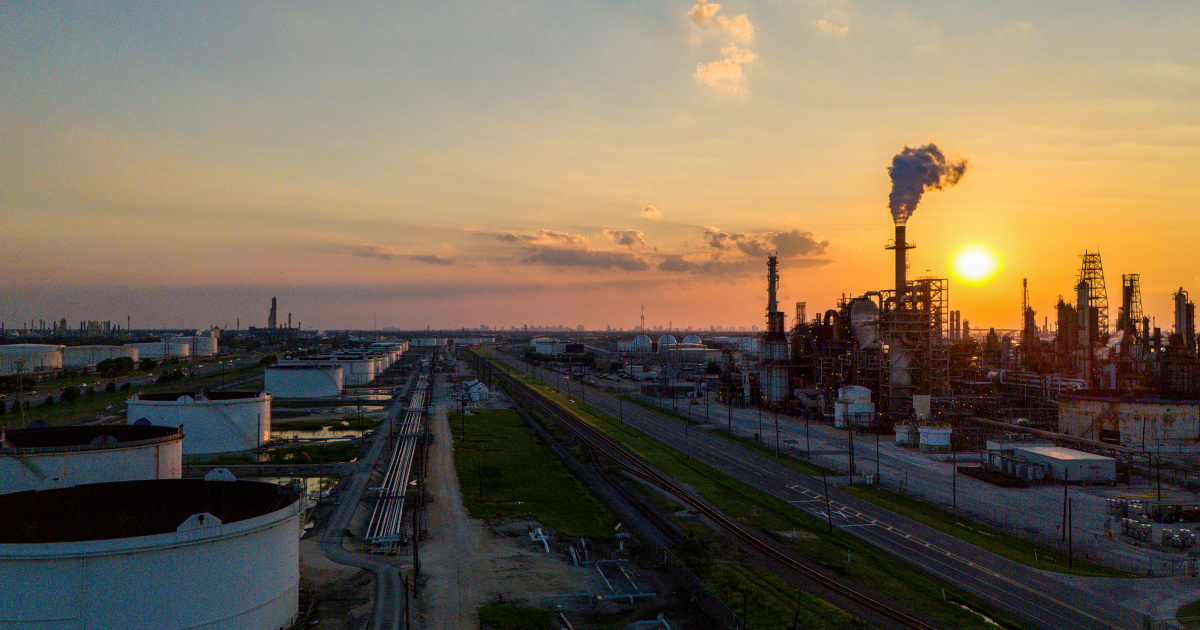
The changing market dynamics come as oil prices continue to reflect the underlying reality of sustained conflict in a critical energy production region. Despite Trump's periodic suggestions of progress in talks or potential pauses in attacks, the fundamental supply disruption concerns and military risks remain unchanged. This has led to a situation where markets are pricing in continued conflict regardless of presidential attempts to suggest otherwise, potentially limiting Trump's ability to use diplomatic rhetoric as a tool for managing energy costs that directly affect American consumers.