Oil Hits $112 as Trump Sets Tuesday Deadline for Iran to Reopen Hormuz or Face Strikes

West Texas Intermediate crude settled above $112 a barrel Monday and Brent crude reached $109.77 — oil up 66 percent and 50 percent respectively since Iran closed the Strait of Hormuz in late February — as President Trump set an 8 p.m. ET Tuesday deadline for Tehran to reopen the waterway or face strikes on power plants, bridges, and other infrastructure. Stock futures fell in step with the oil surge, with Dow Jones futures down 158 points as traders weighed whether a ceasefire proposal being shuttled through Pakistan, Turkey, and Egypt could avert the next escalation.
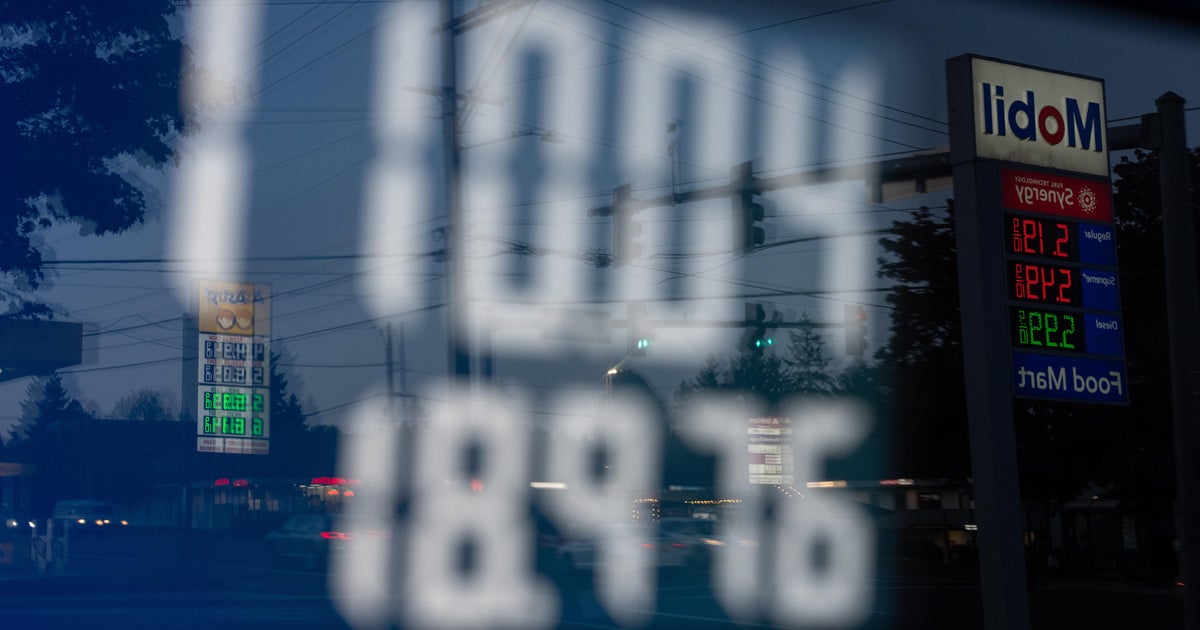
The Strait of Hormuz carries roughly one-fifth of the world's oil and nearly a third of its liquefied natural gas. Iran has effectively blocked the waterway since the war began on February 28, limiting tanker passage and driving up prices at a pace not seen since the post-invasion spike of 2022. The average American gasoline price reached $4.11 a gallon Monday, up from $2.98 before the conflict — a jump of 38 percent in five weeks. Italy has begun restricting jet fuel supplies at major airports, and South Korea and Japan have activated strategic petroleum reserves for the second time this year as Asian economies scramble to secure alternate supply routes around Africa's Cape of Good Hope.
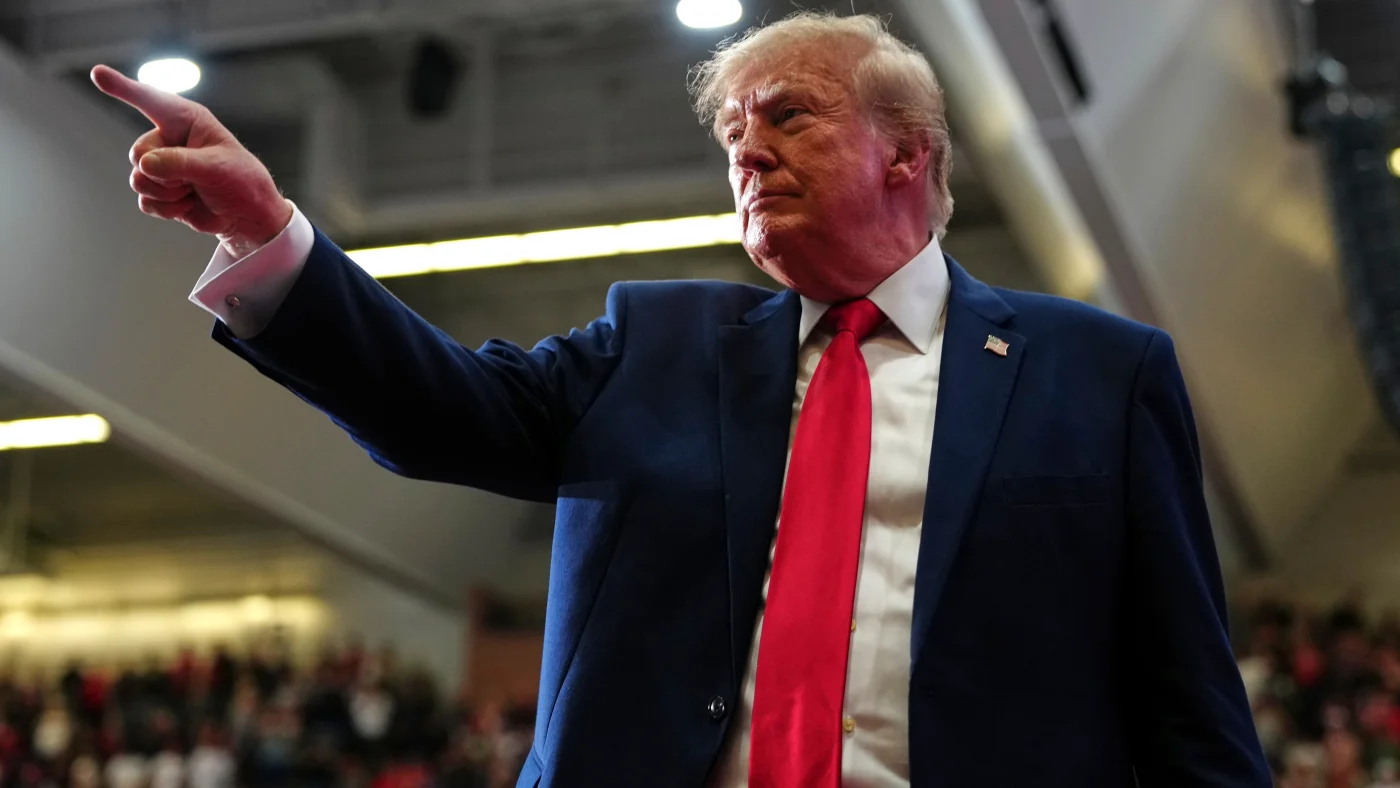
Trump threatened Sunday to destroy Iran's infrastructure if the strait remains closed by Tuesday evening, saying "every bridge in Iran will be decimated by 12 o'clock tomorrow night, where every power plant in Iran will be out of business, burning, exploding and never to be used again." On Monday he told reporters at the White House that "the entire country can be taken out in one night" and said he was "not at all" concerned about the potential war crimes implications of targeting civilian infrastructure. Iran's deputy foreign minister warned of "a decisive, immediate, and regret-inducing response" if power plants are attacked, while Iran's foreign ministry said the strait would remain closed until Tehran is "fully compensated" for war damages.
Mediators were racing against the deadline Monday. Pakistan presented a 45-day ceasefire framework to both sides, which Iran officially rejected, though Iranian officials submitted a 10-point counter-proposal through Islamabad that Trump's team was reviewing. Turkey and Egypt have been pushing parallel diplomatic tracks, and a senior US official told NBC News that a broader ceasefire framework involving safe passage for tankers might still be achievable before the deadline expires. European governments urged restraint, with the European Commission warning that strikes on Iranian energy infrastructure would trigger "a global energy crisis" more severe than anything seen since the 1970s oil embargo.
The Eurasia Group noted in a Monday briefing that even if the deadline passes without strikes, markets have already priced in a sustained disruption of several months: oil futures contracts extend well above $100 per barrel through the end of 2026. Goldman Sachs revised its year-end Brent crude forecast upward to $125 if the strait remains closed through May, and to $95 if a deal is reached this week. The Federal Reserve has also flagged the Iran war as a "significant" upside risk to inflation, complicating any path toward interest rate cuts that markets had been anticipating for the second half of the year.