'No Kings' Protests Sweep All 50 States and Multiple Continents in Third Mass Mobilization Against Trump
Over 3,200 marches took place Saturday in what organizers call potentially the largest non-violent day of action in American history, with Bruce Springsteen performing in St. Paul and 70+ arrested in Los Angeles.

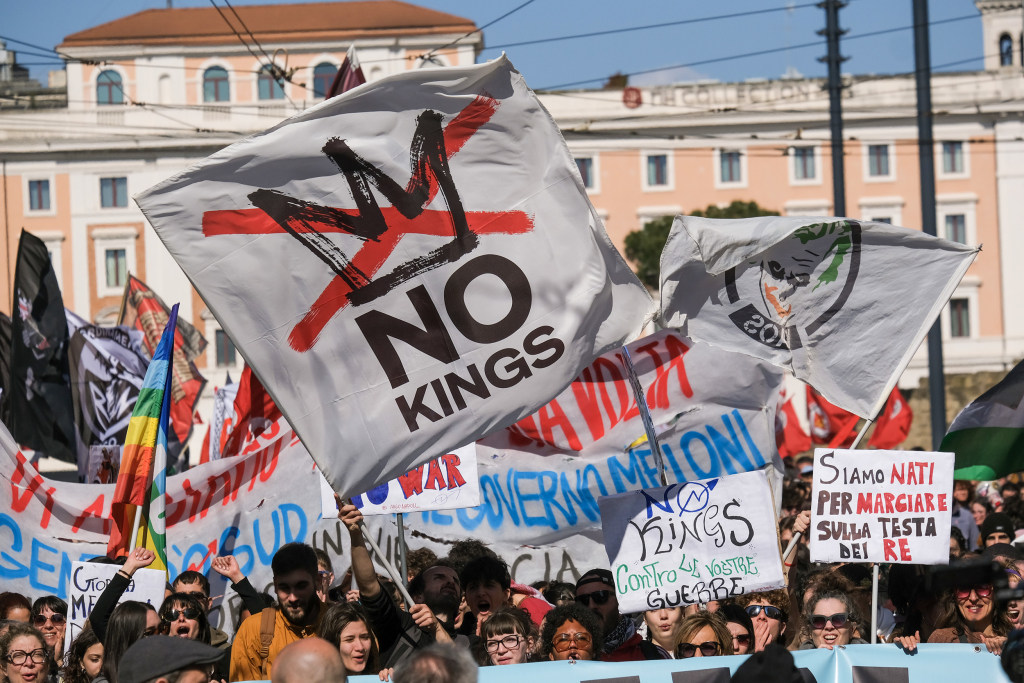
More than 3,200 marches swept across all 50 US states and multiple countries on Saturday in the third round of "No Kings" protests against the Trump administration, with organizers describing it as potentially the "single largest non-violent day of action in American history." The previous iteration of the protest series, held in October, drew an estimated seven million participants nationwide. Saturday's turnout figures were still being tallied Sunday morning, but preliminary crowd estimates from numerous cities suggested the movement had grown substantially from its earlier iterations.
The flagship rally was held in St. Paul, Minnesota — a deliberate choice by organizers to honor Alex Pretti and Renee Good, two American citizens killed during federal immigration enforcement operations in the Twin Cities in January. Minnesota Governor Tim Walz, speaking to a crowd of tens of thousands in the state capital, said: "When the wannabe dictator in the White House sent his untrained, aggressive thugs to do damage to Minnesota, it was you Minnesota who stood up for your neighbors." Bruce Springsteen closed the St. Paul event by performing his new single "Streets of Minneapolis" — his first public performance in months — before a crowd that stretched for blocks in every direction.
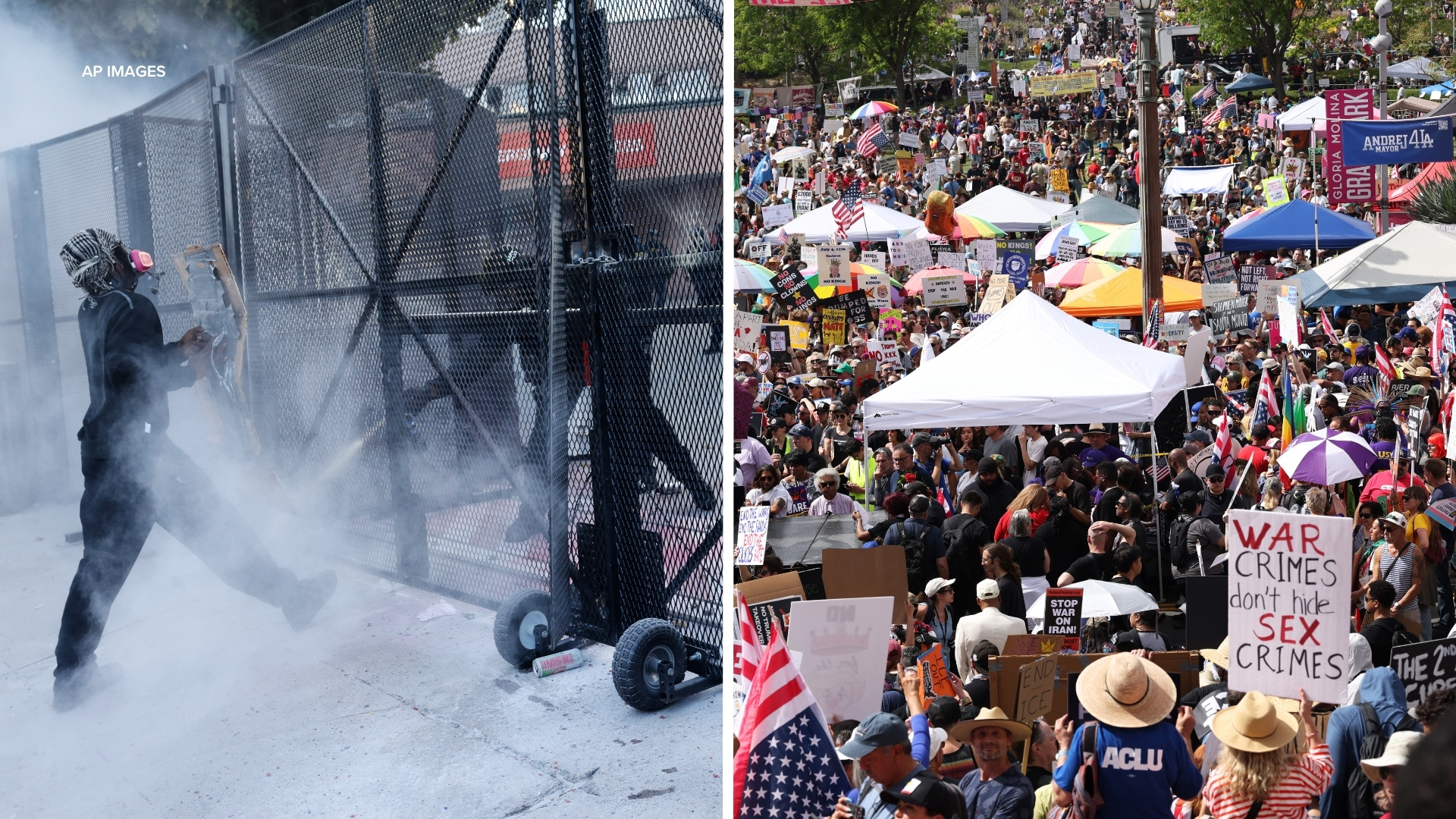
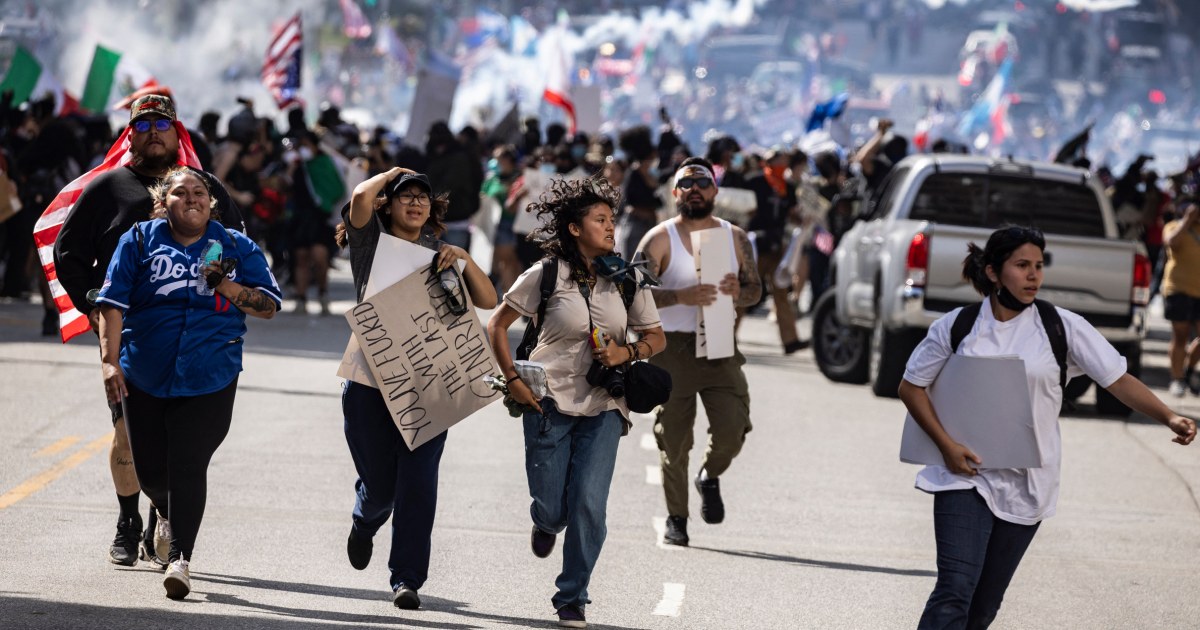
In Los Angeles, federal authorities deployed tear gas against protesters outside a downtown federal building, leading to more than 70 arrests. Officers in riot gear pushed demonstrators back from the Federal Building on Wilshire Boulevard after a small group attempted to block traffic in the surrounding streets. In Portland, multiple arrests were made outside an ICE detention facility. In Dallas, one protester was taken into custody. The vast majority of the thousands of marches that took place around the country remained peaceful, according to law enforcement reports.
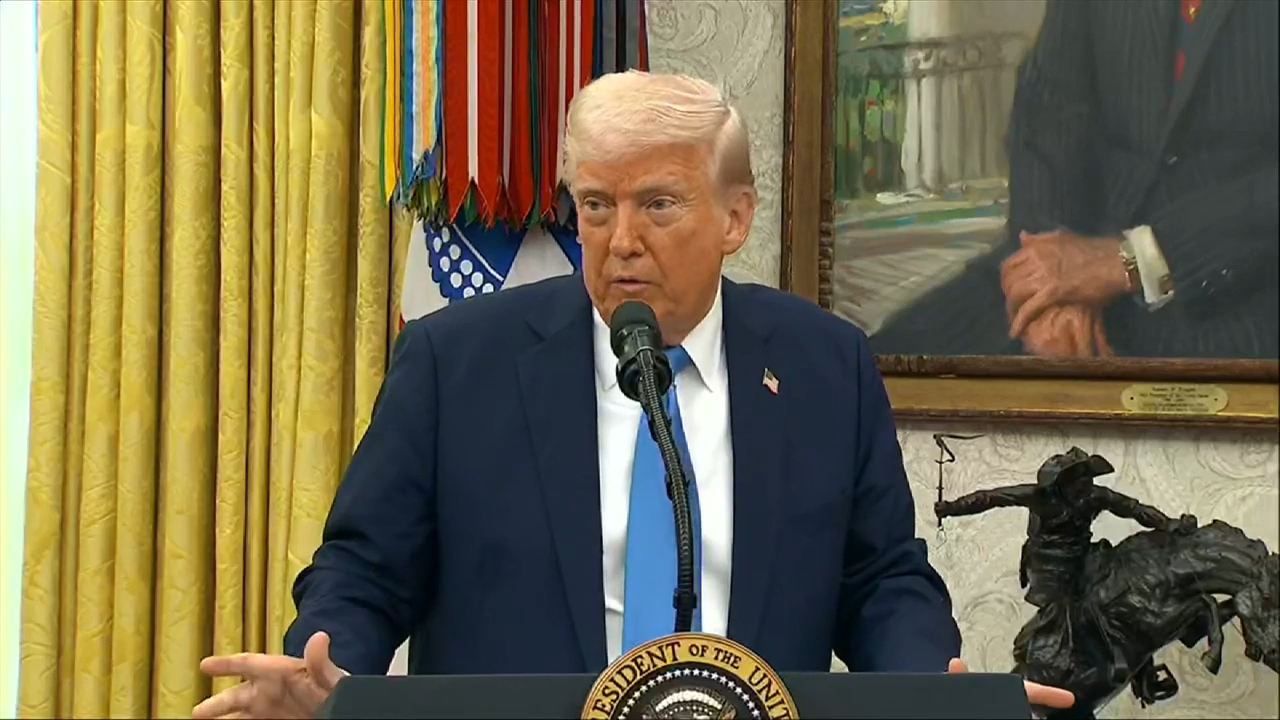
The White House issued a statement dismissing the demonstrations as "Trump Derangement Therapy Sessions," while Trump himself posted on Truth Social that the marches were "paid for by globalists and the radical left" — assertions organizers flatly denied. The protests drew significant bipartisan attention, however: several Republican-leaning independent voters interviewed at marches in Phoenix and Columbus said they attended not over opposition to Trump's immigration policies but over what they described as the administration's use of federal agencies against political opponents — including directing the FBI to compile files on Democratic lawmakers.
The No Kings movement has grown into one of the most sustained domestic protest movements in recent American history. Unlike earlier mass protests such as the Women's March or the George Floyd demonstrations, the No Kings marches have been explicitly diffuse in structure, with no single national organizing body claiming ownership. Simultaneous events were reported Saturday in London, Dublin, Berlin, Sydney, and Toronto, drawing significant crowds of American expatriates and international supporters. Political scientists note the movement's durability — sustaining participation across three major mobilizations over six months — distinguishes it from most recent protest waves, which typically peak quickly and then fade.