Oxford Astronomers Discover a Whole New Type of Planet: A World Covered in a Permanent Ocean of Magma
Researchers using the James Webb Space Telescope identified L 98-59 d, 35 light-years away, as the first confirmed member of a new planetary class — a 'magma world' with a sulfur-rich atmosphere and a globe-spanning molten rock interior that has never stopped burning.

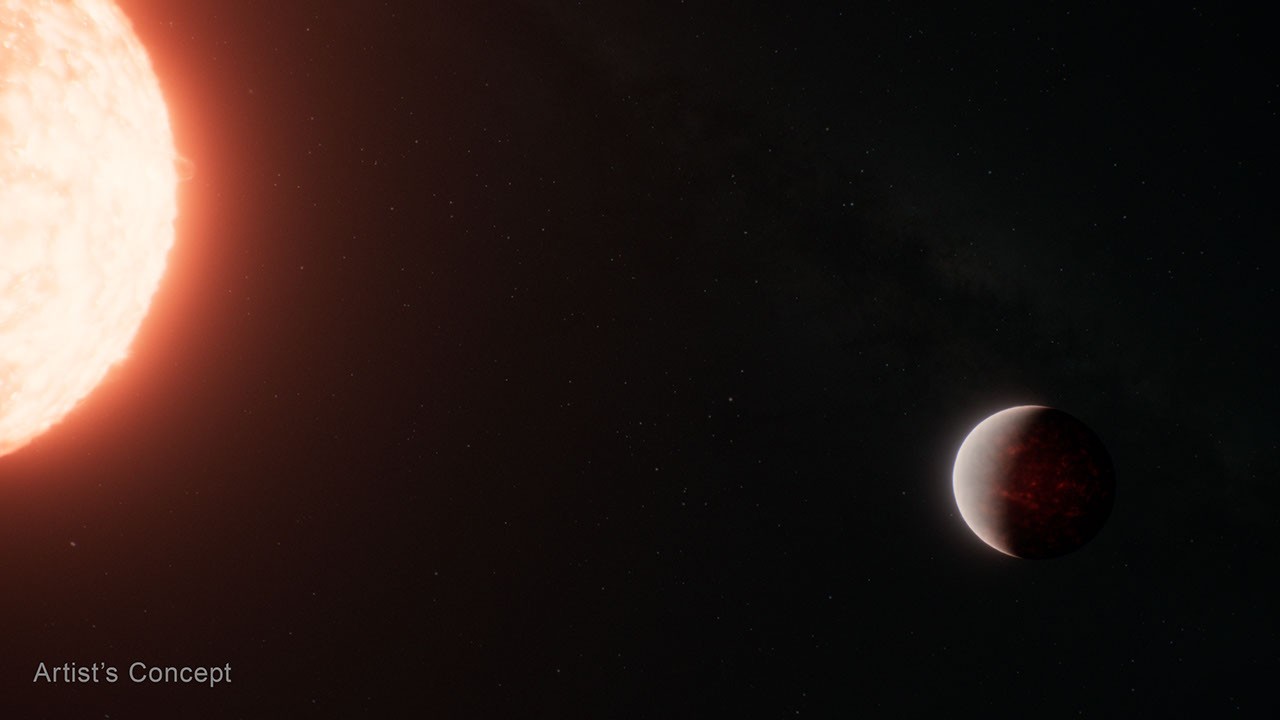
Astronomers at the University of Oxford have identified a brand-new category of exoplanet, announcing the discovery of what they call a "magma world" — a class of planet fundamentally unlike anything previously catalogued, characterized by a permanent global ocean of molten rock beneath a dense atmosphere laden with sulfur compounds. The planet at the center of the discovery, L 98-59 d, orbits a small red dwarf star approximately 35 light-years from Earth and is about 1.6 times the diameter of Earth, placing it squarely in the "super-Earth" category. The findings, published in Nature Astronomy on March 16, 2026, represent a significant expansion of our understanding of how planets can form and evolve around different types of stars.
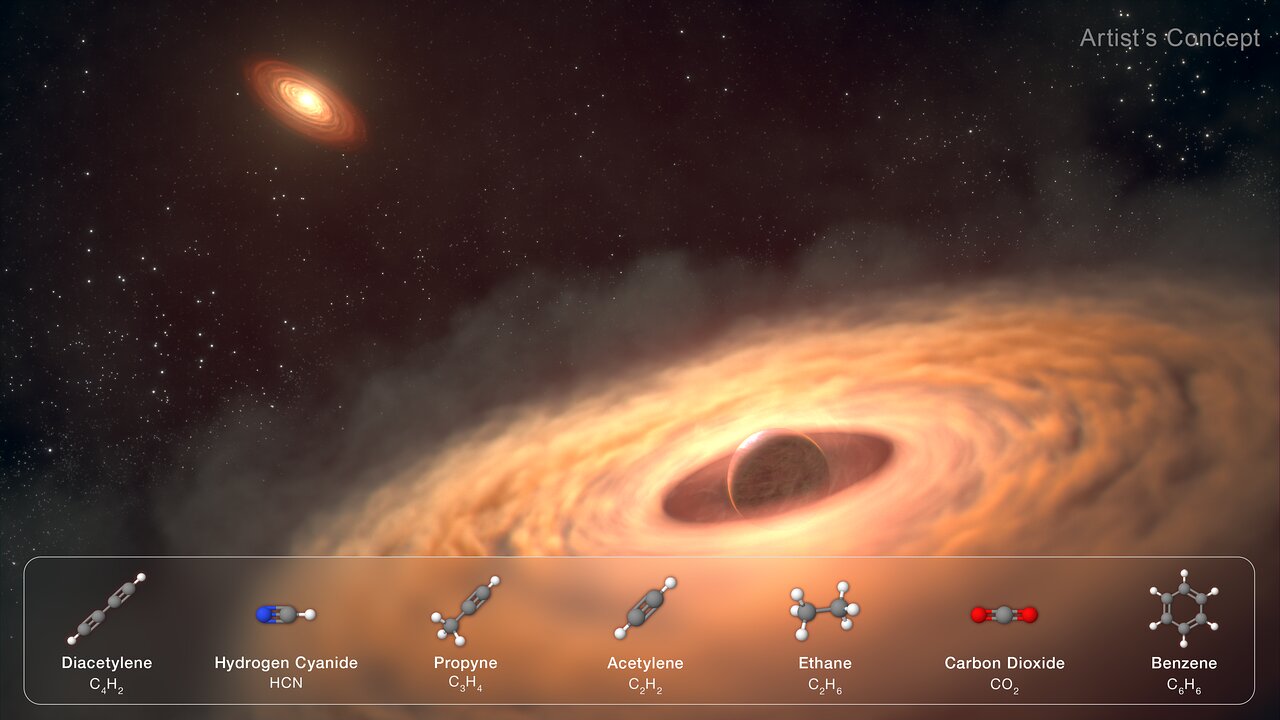
The Oxford team, working in collaboration with researchers at the University of Bern and the European Southern Observatory, combined observations from NASA's James Webb Space Telescope and the ground-based Very Large Telescope in Chile to build a detailed model of L 98-59 d's interior and atmosphere. What they found defied existing planetary classification systems. The planet has an unusually low density for its size — a property that initially suggested a thick hydrogen-rich atmosphere similar to a mini-Neptune. But detailed spectroscopic analysis revealed instead an atmosphere dominated by hydrogen sulfide (H₂S) and sulfur dioxide (SO₂), compounds that pointed toward an interior far richer in sulfur than any known planet in our solar system.
The interior modeling revealed the dramatic explanation: L 98-59 d harbors a permanent magma ocean — a global layer of molten rock extending from near the surface deep into the mantle, continuously cycling sulfur compounds between the interior and atmosphere in a feedback loop unlike anything previously observed. On Earth, magma oceans existed briefly in the very earliest period of planetary history, billions of years ago, when our still-forming world was hot from the energy of accretion. On L 98-59 d, the planet's proximity to its host star — completing a full orbit in just 3.7 Earth days — keeps it perpetually warm enough to maintain this molten state indefinitely. The team described it as "a lava lamp on a planetary scale."
The discovery adds a previously unknown entry to what astronomers call the "planetary zoo" — the expanding menagerie of worlds discovered by space telescopes. Current planetary typologies include rocky terrestrial planets, gas giants, ice giants, and various sub-Neptune categories. The "magma world" class, if confirmed in additional star systems, would represent a fifth fundamental type of planet. "We had theoretical models suggesting magma worlds could exist, but L 98-59 d is the first time we've seen one in enough detail to call it definitively a new class," said lead author Dr. Caroline Dorn in a statement accompanying the study.
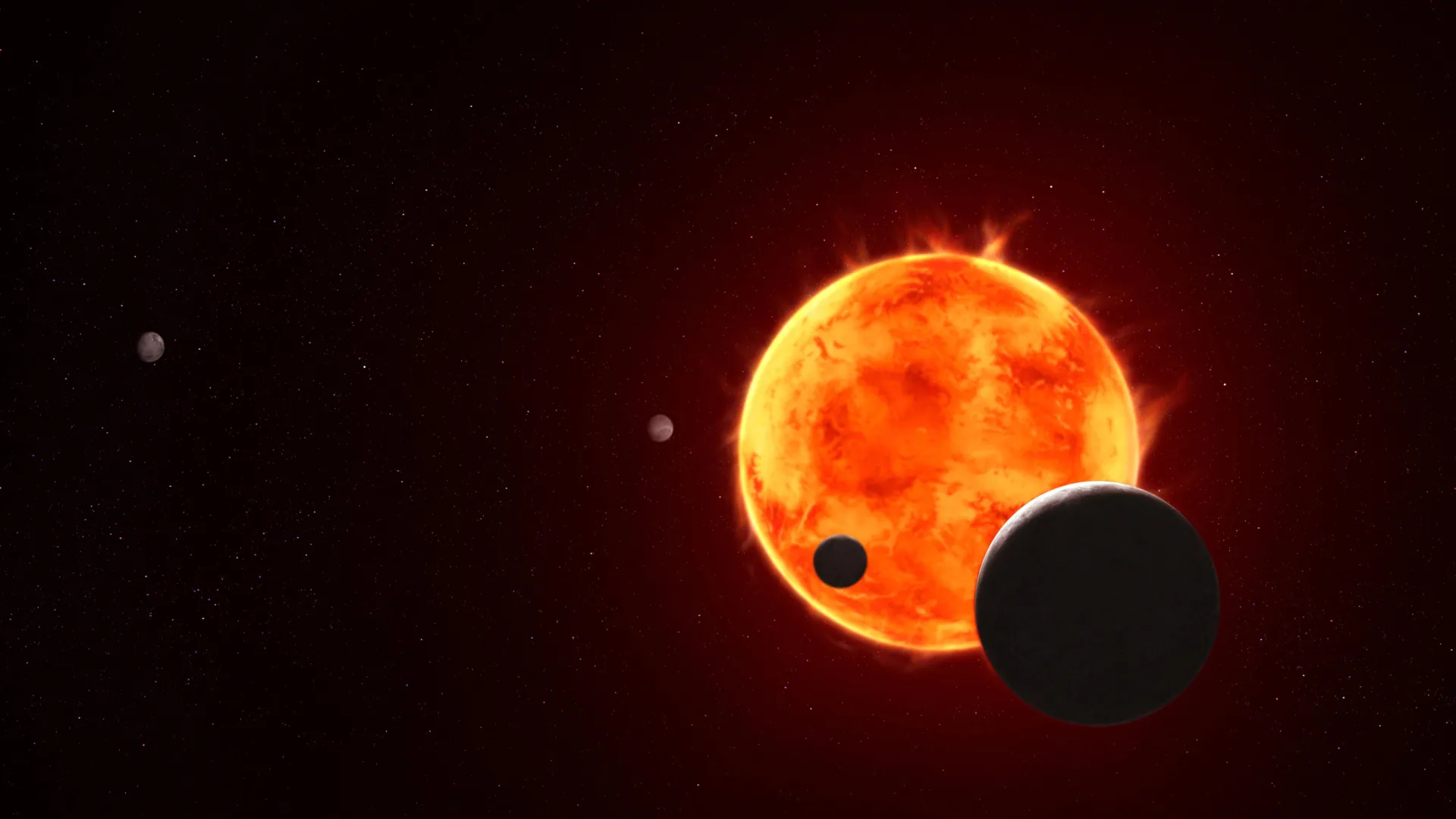
The discovery carries immediate implications for the search for habitable worlds. L 98-59 d itself is almost certainly uninhabitable — its estimated surface temperature exceeds 450 degrees Celsius, and its sulfurous atmosphere would be lethal to any known form of life. But the existence of a distinct magma world class means astronomers will need to revisit their screening criteria for potentially habitable planets. Several candidates in current target lists for biosignature searches may need to be re-evaluated if they turn out to share properties with L 98-59 d rather than Earth. The host system also contains at least two other planets, none of which appear to share L 98-59 d's unusual properties — suggesting that even within a single planetary system, radically different evolutionary paths are possible. "This is a reminder," Dr. Dorn concluded, "that the universe is more creative than our models."