NASA's Artemis II Moon Rocket Rolls to Launch Pad, Setting April 1 Target for First Crewed Lunar Mission Since Apollo
After an 11-hour crawl from the Vehicle Assembly Building, the Space Launch System rocket and Orion capsule arrived at Pad 39B Friday with four astronauts in quarantine — on track for a launch that will send humans farther from Earth than any mission in more than 50 years.
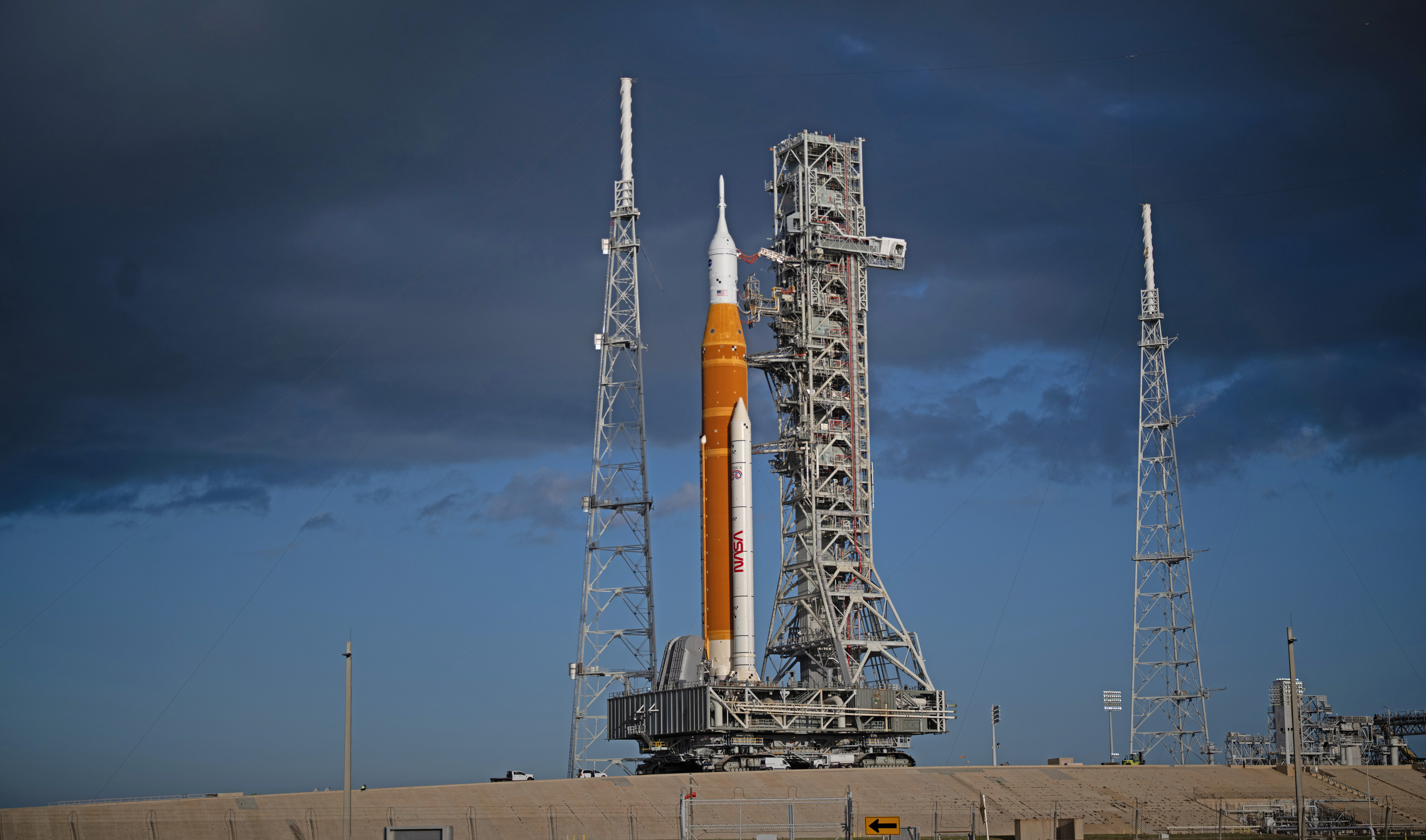
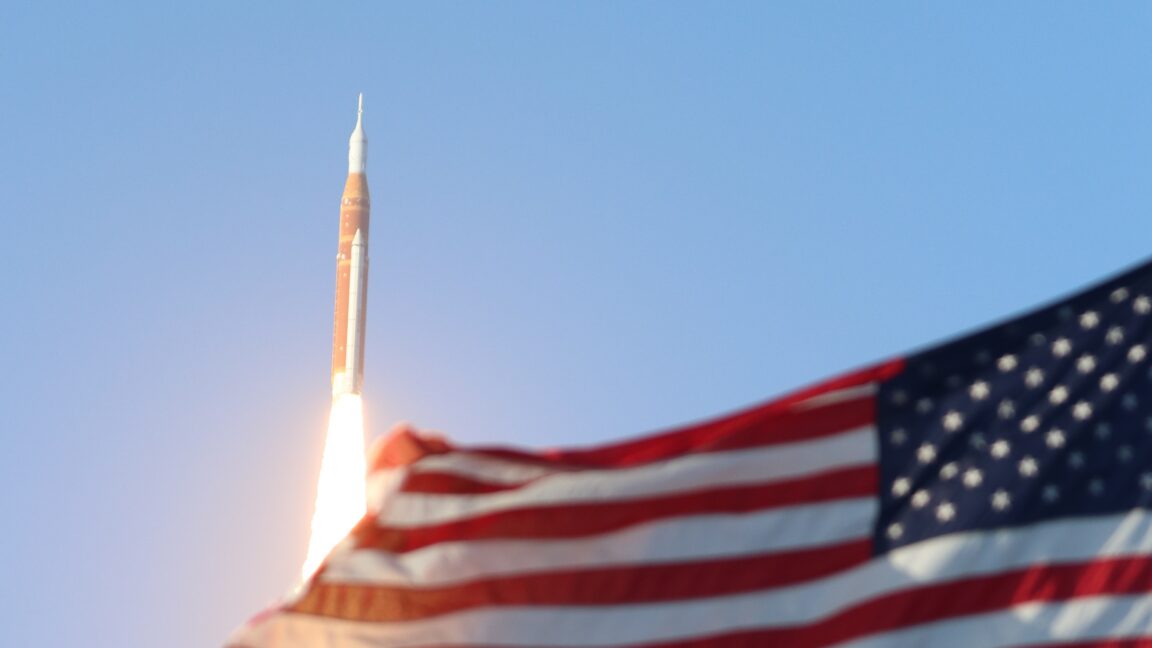
NASA's Artemis II Moon rocket completed its rollout to Launch Pad 39B at Kennedy Space Center in Florida on Friday morning, arriving at 11:21 a.m. EDT after an 11-hour journey from the Vehicle Assembly Building — clearing the last major logistical hurdle before what will be the first crewed spaceflight to leave Earth's orbit since the final Apollo mission in 1972. The Space Launch System rocket and Orion spacecraft are now being prepared for a launch no earlier than Wednesday, April 1, with a launch window extending through approximately April 23.
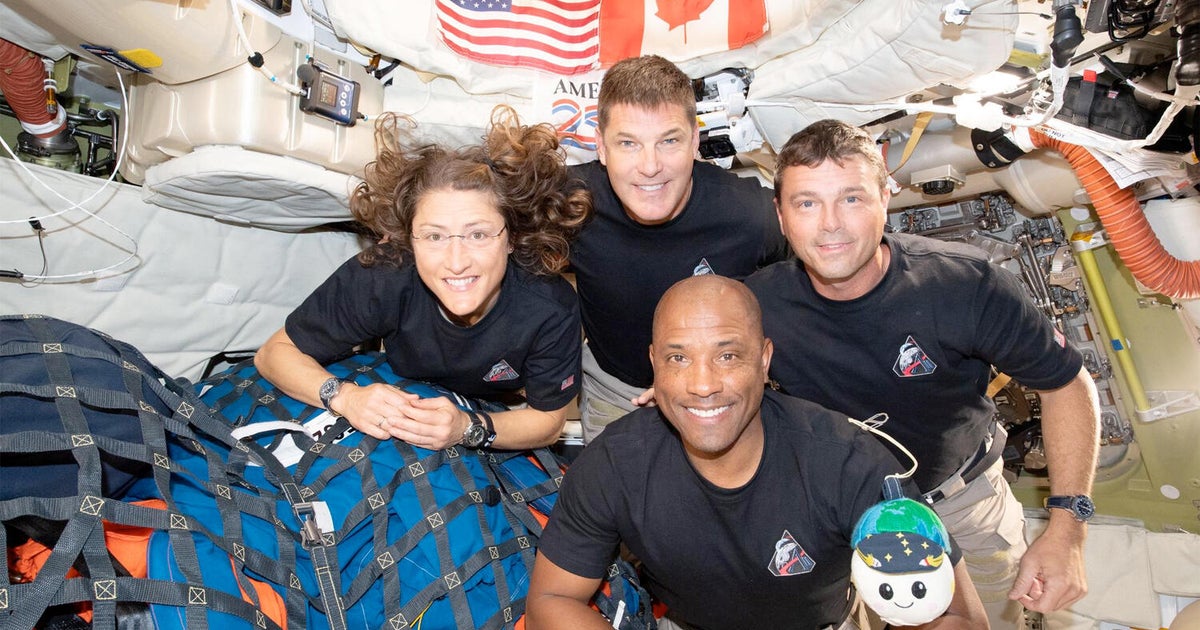
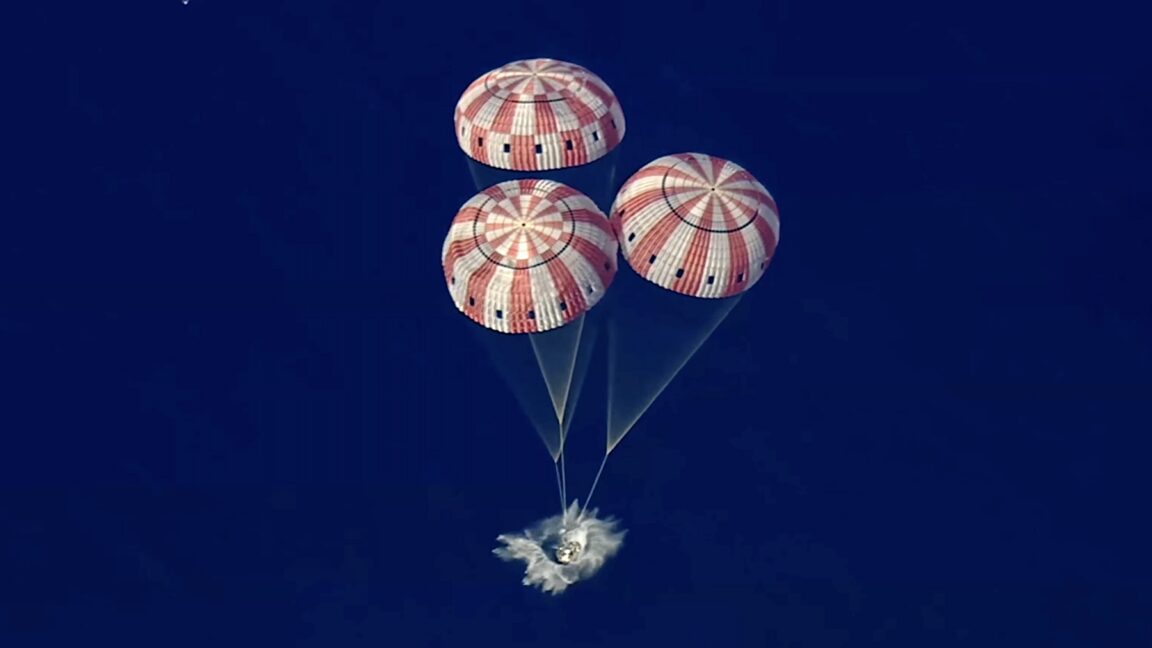
Four astronauts — NASA's Reid Wiseman (commander), Victor Glover, and Christina Koch, along with Canadian Space Agency astronaut Jeremy Hansen — have already begun quarantine protocols ahead of their approximately 10-day mission around the Moon. The crew will not set foot on the lunar surface — that milestone is reserved for Artemis III, targeted for 2027 — but will fly the Orion spacecraft to within roughly 8,900 kilometers of the Moon before swinging around and returning to Earth. The mission is designed to validate Orion's life support systems, propulsion, and re-entry heat shield for the extreme conditions of deep space, paving the way for future crewed Moon landings.
The path to Friday's rollout was not smooth. Teams had initially targeted a rollout date of March 14 but pushed the date back multiple times due to minor technical issues and, most recently, high winds that grounded the crawler-transporter at the last minute on March 19. The massive six-million-pound crawler-transporter finally began moving the rocket out of the Vehicle Assembly Building at 12:20 a.m. EDT Friday, traveling approximately four miles at roughly one mile per hour along a dedicated crawlerway to reach the pad. Once in position, engineers began configuring the rocket's systems for a series of pre-launch tests and the terminal countdown sequence.
The mission carries historic significance for several members of its crew. Victor Glover will become the first Black astronaut to travel beyond Earth's orbit. Christina Koch will become the first woman to travel to lunar distance. Commander Reid Wiseman told reporters at a February press conference that the crew felt "an almost incomprehensible responsibility" to the generations of engineers and scientists who have worked toward this moment since the end of Apollo. Jeremy Hansen, representing Canada as the first non-American to fly a deep-space mission, called it "an extraordinary honor" for a country that has invested in human spaceflight for decades.
The rollout comes as NASA faces growing pressure to demonstrate results from the Artemis program, which has been plagued by delays and cost overruns since its inception. The Space Launch System has cost more than $23 billion to develop, and total program costs exceed $93 billion according to the NASA Inspector General. Critics, including SpaceX CEO Elon Musk, have repeatedly called the SLS a wasteful program that should be replaced by commercial rockets. Supporters argue Artemis is essential to maintaining American leadership in deep-space exploration as China pursues its own crewed Moon landing, targeted for 2030. If all goes well on April 1, Artemis II will represent the most significant step in human space exploration in more than half a century.