NASA Artemis II Launches — First Humans Beyond Earth Orbit Since 1972 Are Heading to the Moon
Four astronauts aboard the Orion spacecraft "Integrity" successfully lifted off from Kennedy Space Center, beginning a 10-day mission that includes a lunar flyby and a record-setting journey 4,700 miles beyond the Moon.
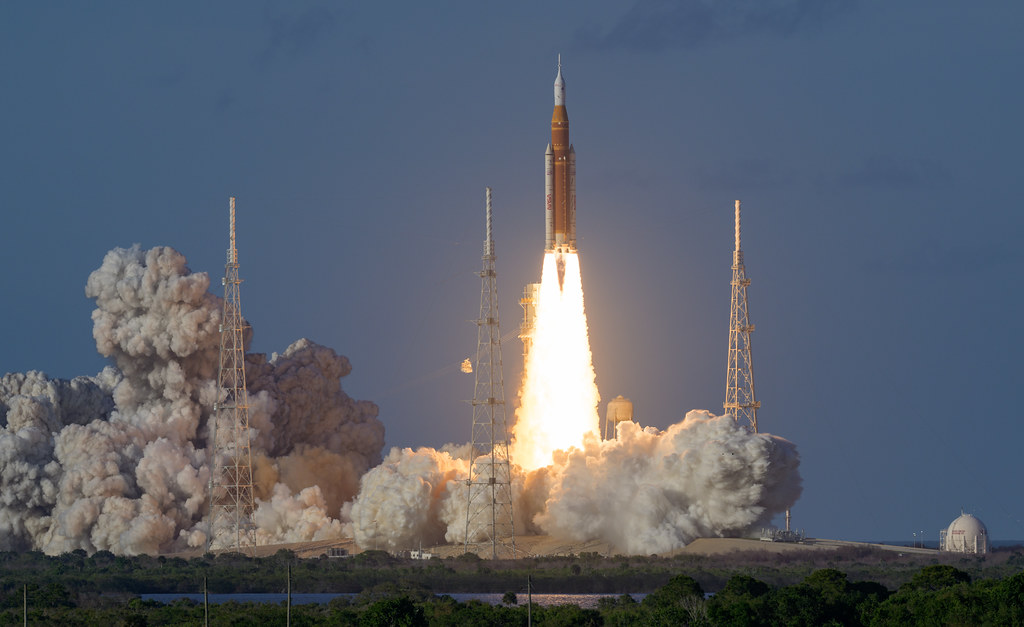
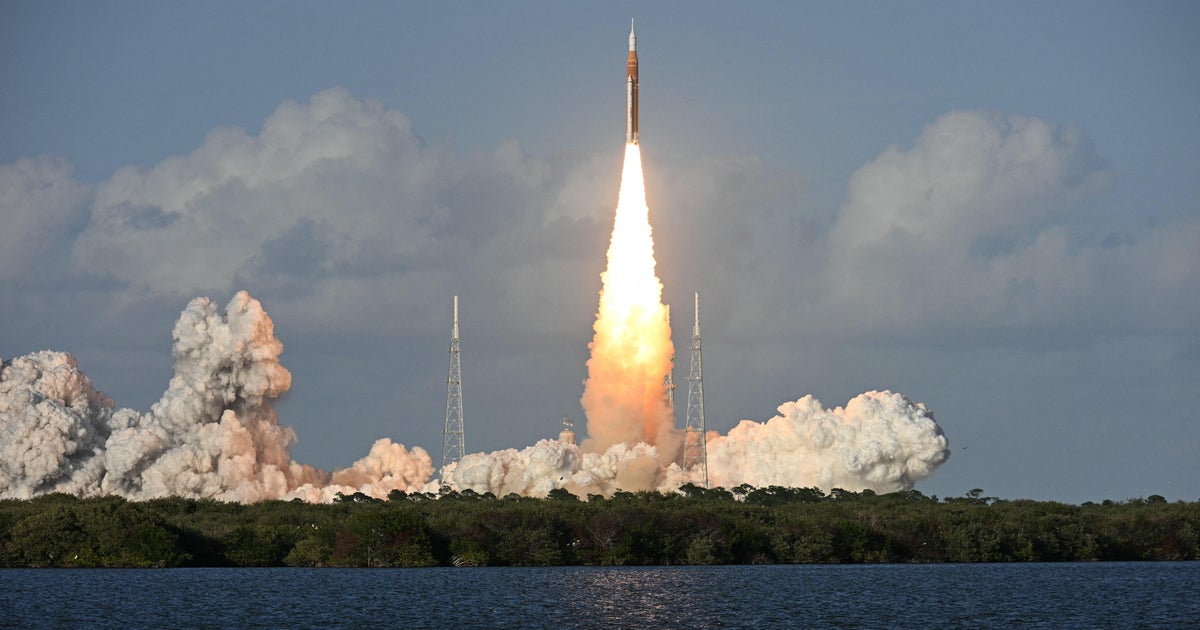
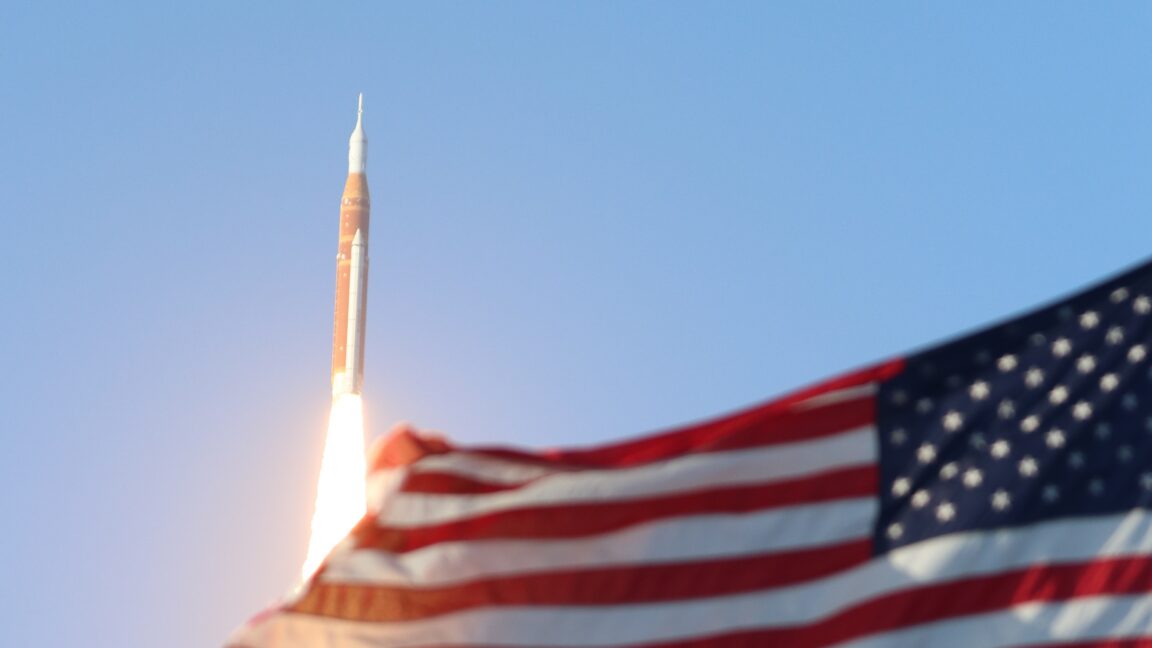
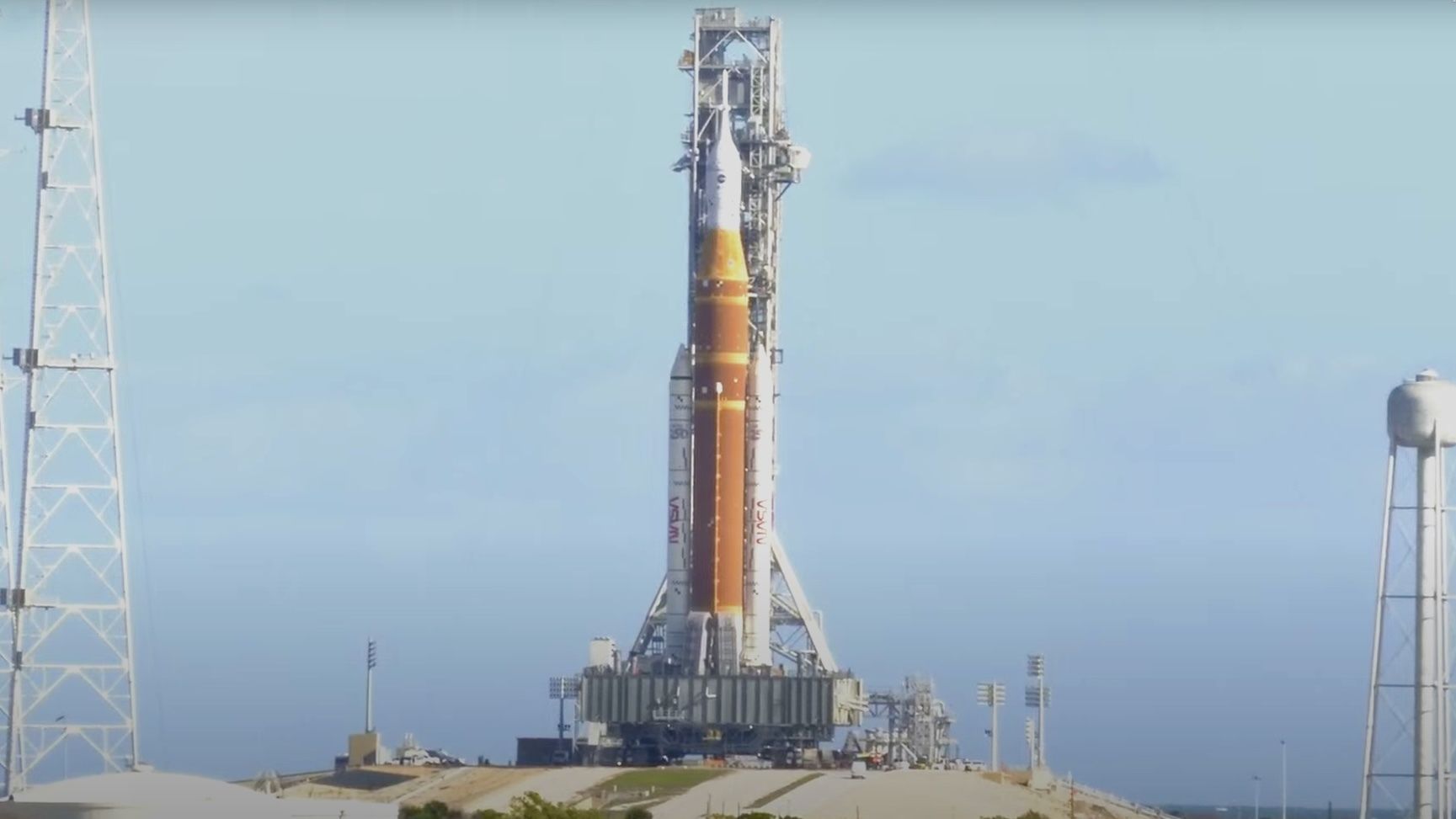
KENNEDY SPACE CENTER, Fla. — A pillar of fire lit up the Florida sky on the evening of April 1, 2026, as NASA's Space Launch System rocket carrying the Orion spacecraft and four astronauts lifted off from Launch Pad 39B — beginning the first human journey beyond low Earth orbit in more than five decades. The Artemis II mission, which had been in development for years following the uncrewed Artemis I flight in late 2022, represents what NASA officials are calling the dawn of a new era of human space exploration.
The crew — Commander Reid Wiseman, Pilot Victor Glover, Mission Specialist Christina Koch, and Canadian Space Agency Mission Specialist Jeremy Hansen — named their Orion spacecraft "Integrity" before launch. With liftoff confirmed at 6:35 p.m. EDT, the four astronauts became the first humans to travel beyond low Earth orbit since Apollo 17 departed for the Moon in December 1972. Victor Glover became the first person of color, Christina Koch the first woman, and Jeremy Hansen the first non-American to make that journey — all aboard the same spacecraft on the same evening.
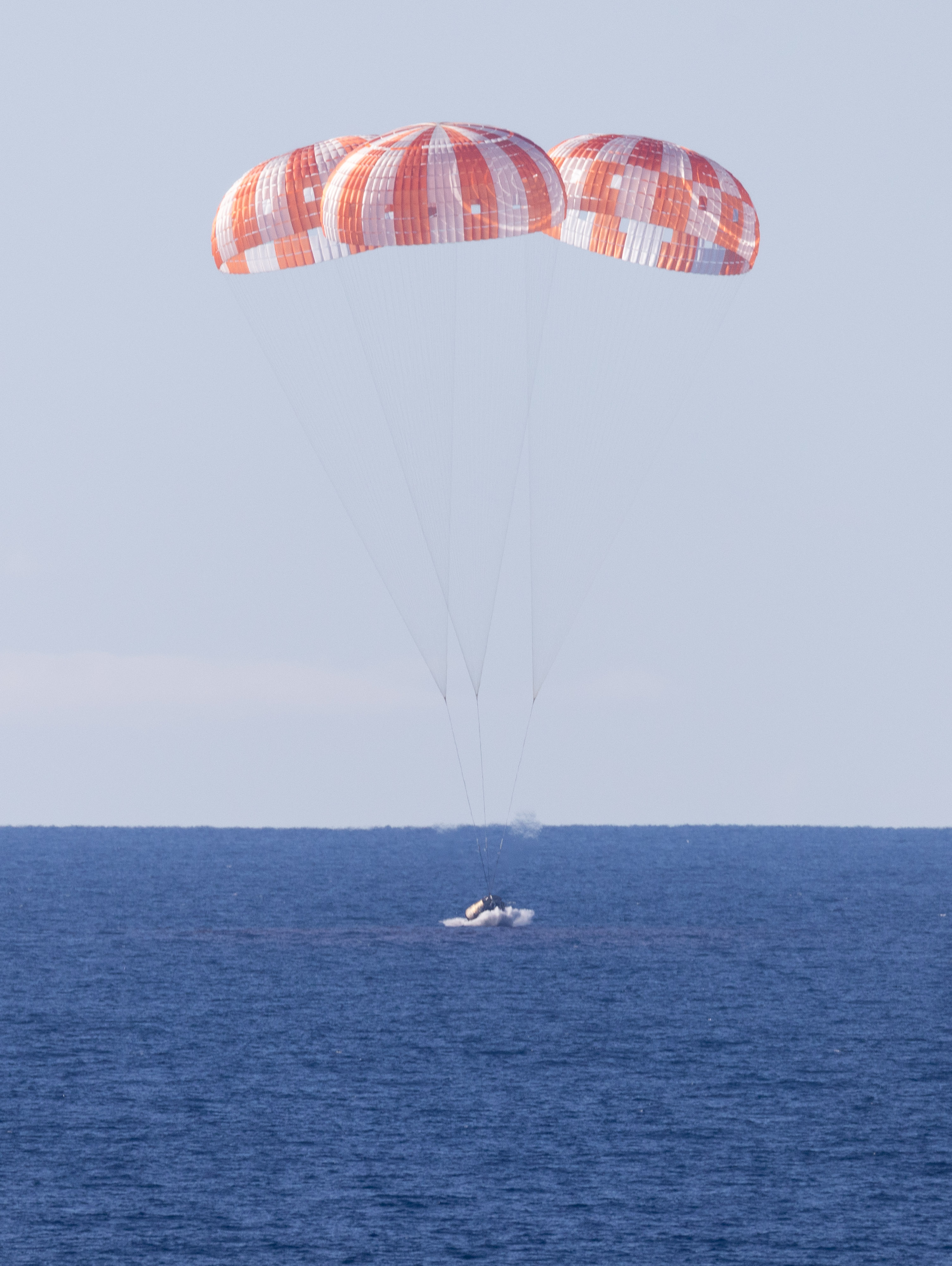
On April 2, the crew is executing pre-burn checks aboard Orion in preparation for the translunar injection burn — a critical engine firing that will propel the spacecraft out of Earth orbit and set it on a trajectory toward the Moon. The mission is designed to last approximately 10 days, concluding with a high-speed reentry into Earth's atmosphere at approximately 25,000 miles per hour before splashdown in the Pacific Ocean. During the mission, Orion will pass approximately 4,700 miles beyond the lunar far side — setting a new record for the farthest distance from Earth any human spacecraft has ever traveled with crew aboard.
"Artemis II is the start of something bigger than any one mission," NASA Administrator Bill Nelson said in a statement following launch. "These four explorers are writing the first chapter of the next era of human spaceflight." The mission will include a lunar flyby planned for April 6, when the crew will photograph and observe regions of the Moon's far side never before witnessed by human eyes in person. The mission is not designed to land on the Moon — that milestone is reserved for Artemis III — but it will serve as the critical piloted rehearsal for all systems that landing mission will depend on.
The SLS rocket, which has faced years of development delays and cost overruns, performed flawlessly during the climb to orbit, according to NASA's mission control. The Orion spacecraft's life support systems, communications links, and abort systems all checked out nominal during the first hours of the mission. Ground teams at Johnson Space Center in Houston are monitoring the crew around the clock. The mission has drawn worldwide attention, with NASA's launch broadcast drawing tens of millions of viewers — the largest audience for a crewed space launch since the final Space Shuttle flights in 2011.