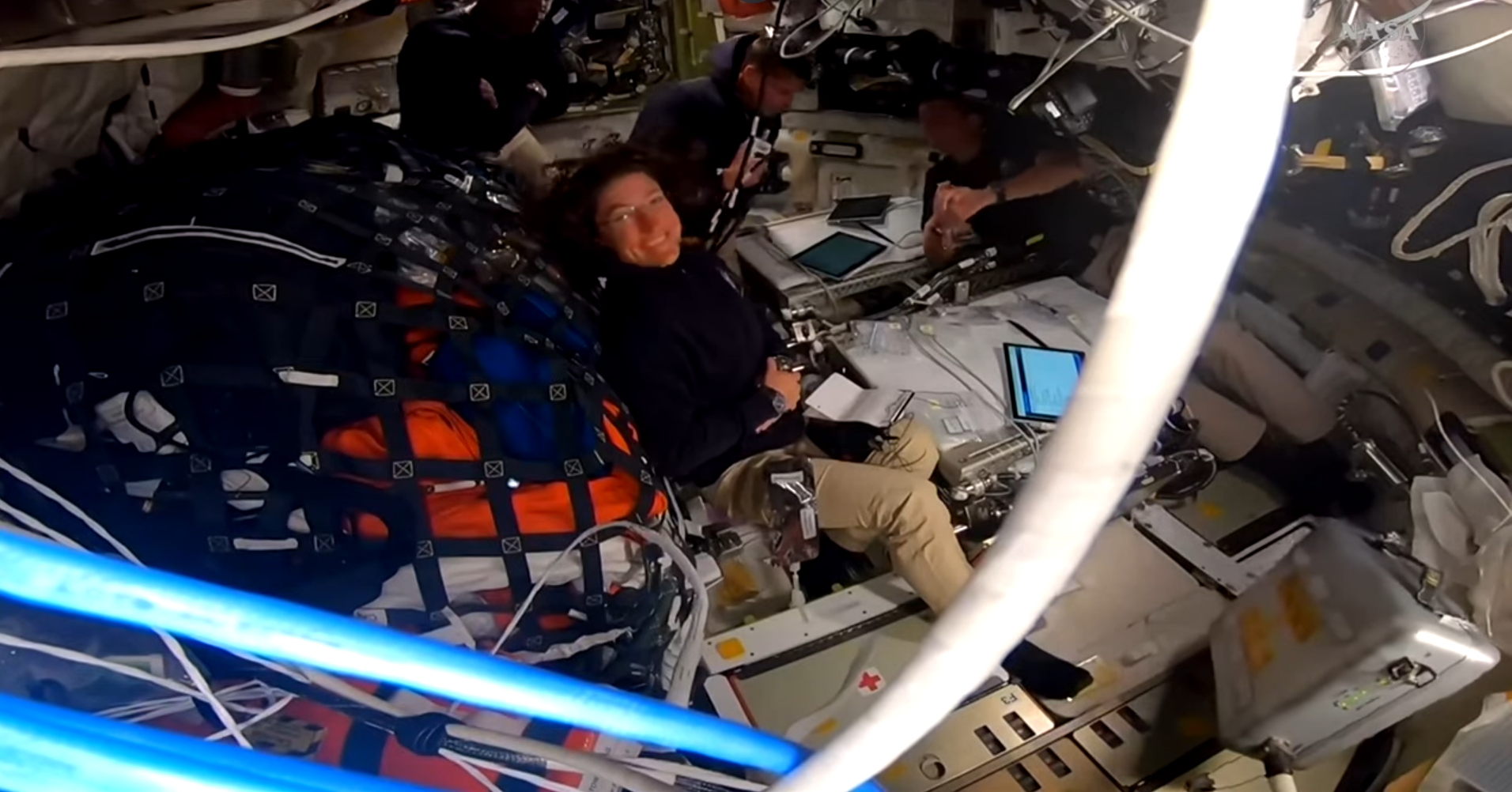
NASA's Artemis II Countdown Begins: Four Astronauts Set for First Human Lunar Mission in 53 Years
With the SLS rocket on the pad at Kennedy Space Center, Reid Wiseman, Victor Glover, Christina Koch, and Jeremy Hansen are five days from a historic April 1 launch around the Moon.
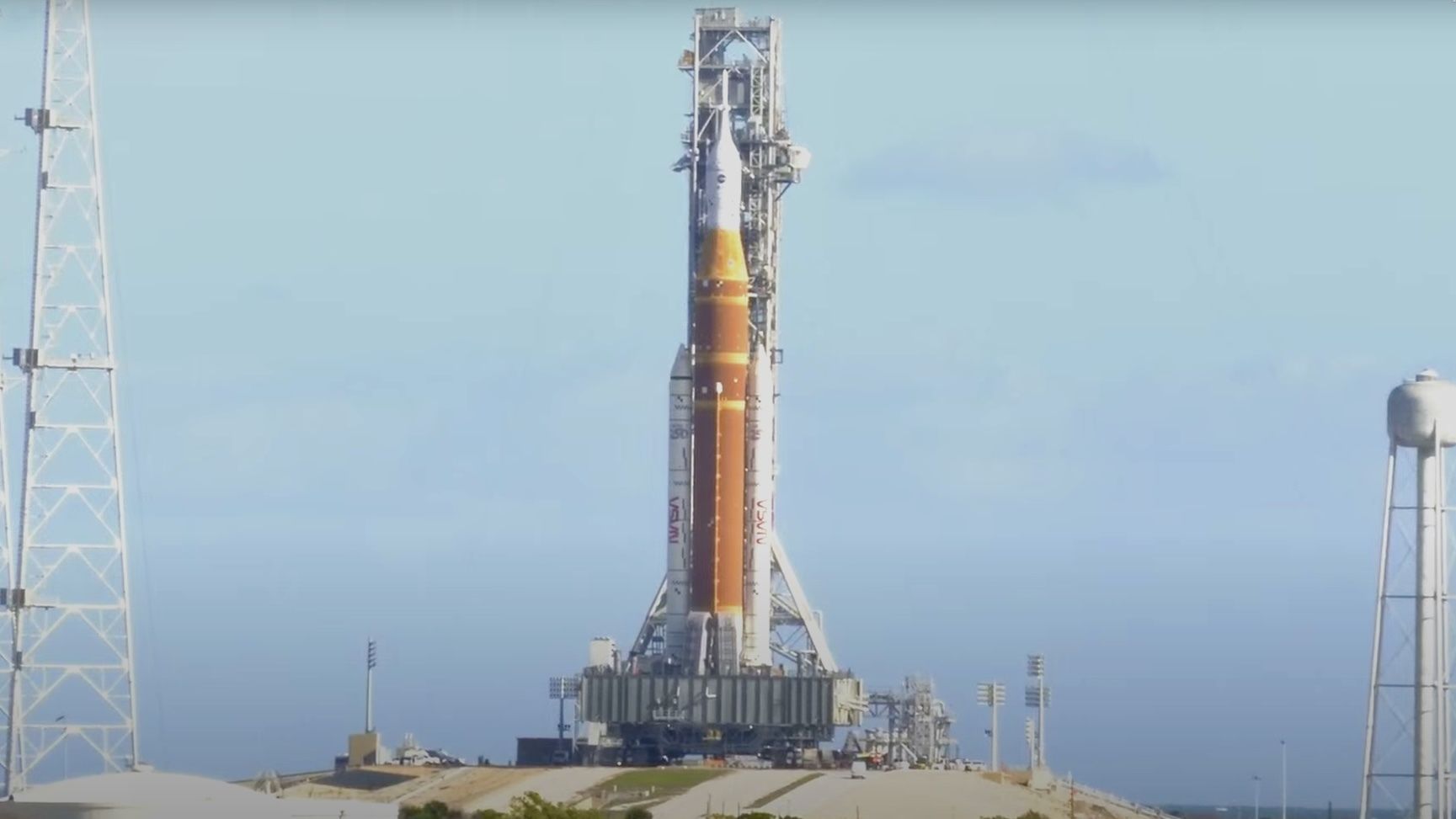
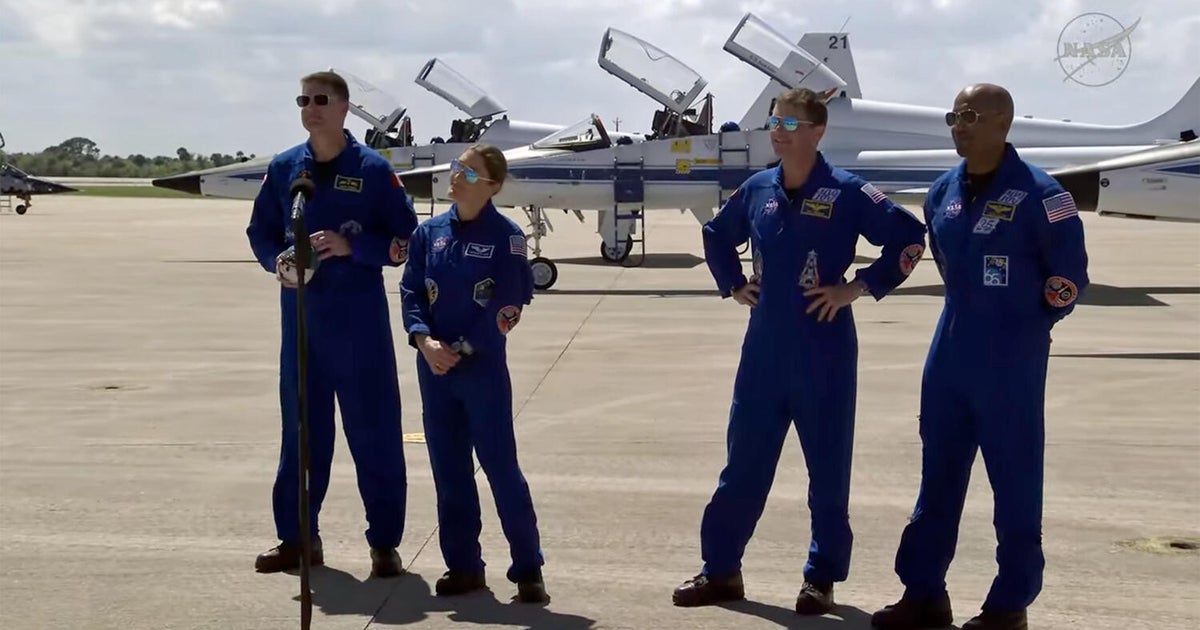
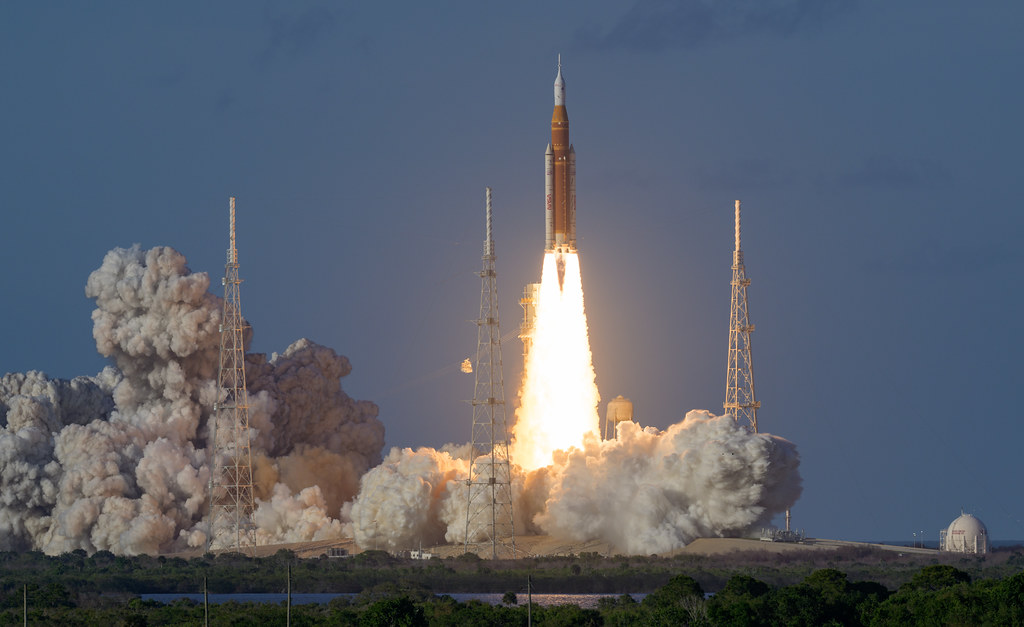
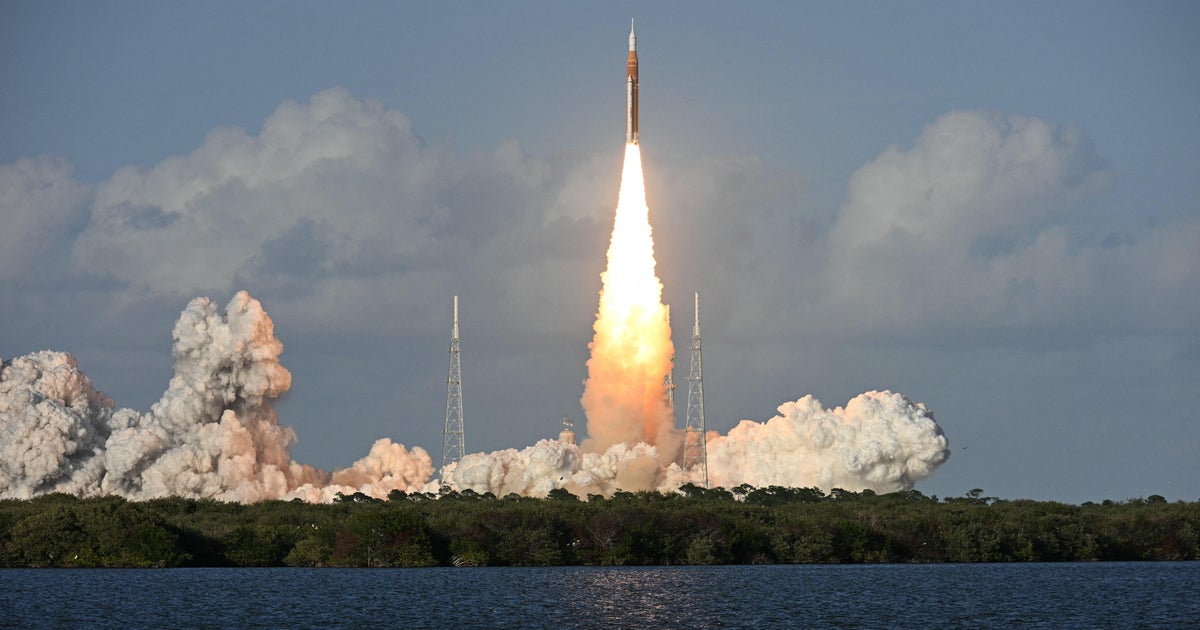
Four astronauts are completing final preparations at NASA's Kennedy Space Center in Florida for the most consequential rocket launch in more than half a century: the April 1, 2026 liftoff of Artemis II, the first mission to carry human beings to the vicinity of the Moon since Apollo 17's crew departed the lunar surface in December 1972. When NASA astronauts Reid Wiseman, Victor Glover, and Christina Koch, along with Canadian Space Agency astronaut Jeremy Hansen, strap into the Orion capsule atop the Space Launch System rocket and ignite its engines, they will become the first humans to leave low Earth orbit in 53 years.
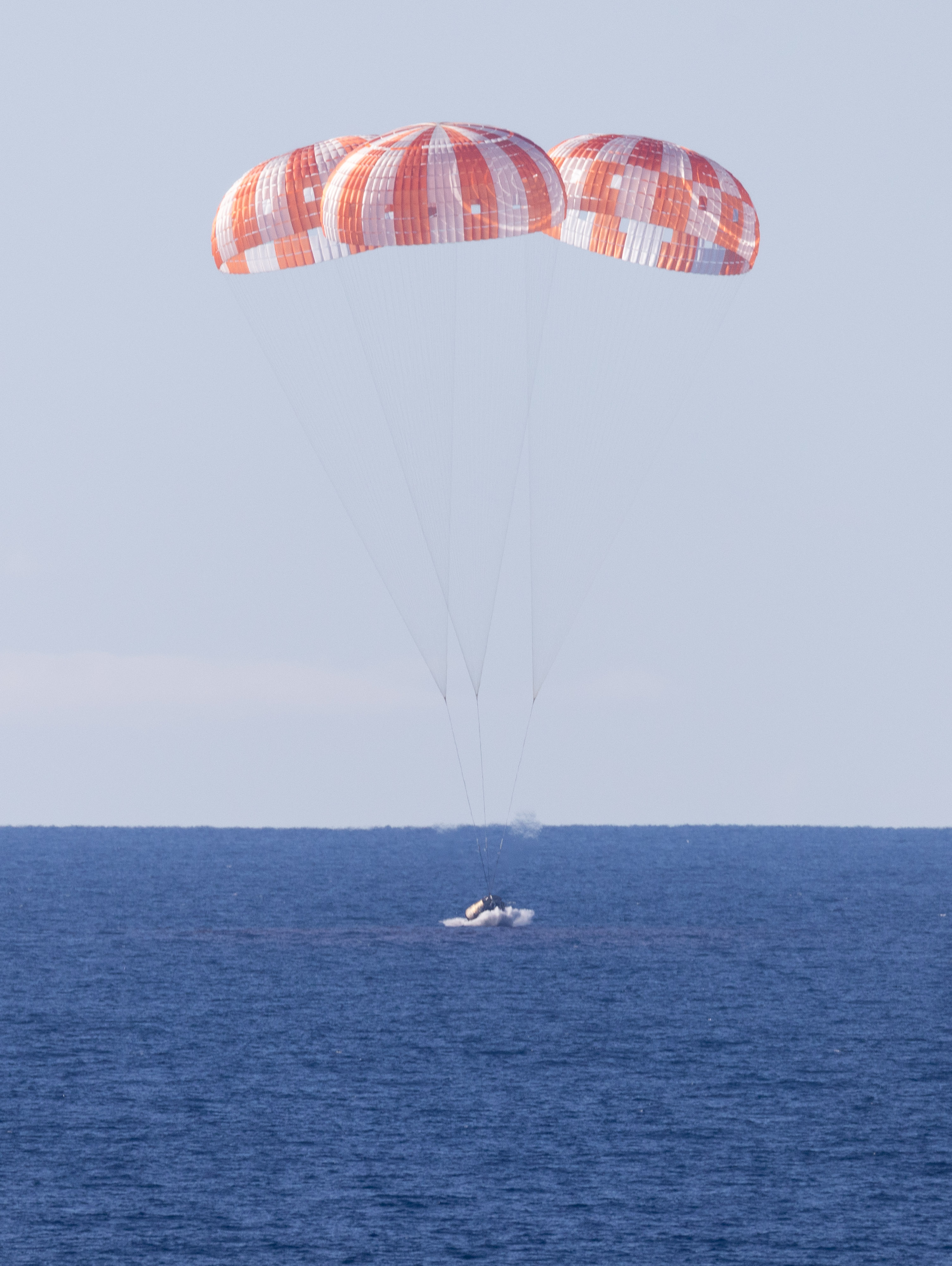
The Artemis II flight plan calls for a 10-day free-return trajectory — a path that takes the spacecraft around the far side of the Moon without entering orbit, using lunar gravity to slingshot back toward Earth. The mission is specifically designed to test the life support systems, navigation hardware, and deep-space communications of the Orion spacecraft under actual deep-space conditions, laying the technical and human groundwork for Artemis III, which is planned to land astronauts on the Moon's south pole for the first time in history. NASA officials have consistently described Artemis II as the essential "dress rehearsal" before the landing attempt.
The mission is historic in its crew composition in ways that extend beyond the sheer distance traveled. Victor Glover will become the first person of color to travel beyond low Earth orbit. Christina Koch will become the first woman in history to do so. Jeremy Hansen will be the first Canadian — and the first non-American of any nationality — to leave Earth's orbital zone and travel toward the Moon. Mission Commander Reid Wiseman, a veteran U.S. Navy test pilot and experienced NASA astronaut, will lead the crew through what agency officials say will be one of the most closely monitored human spaceflight missions in history, with tracking teams in Houston running hundreds of simultaneous system checks per hour throughout the 10-day flight.
The Space Launch System rocket completed its overnight rollout to Launch Pad 39B on March 20, 2026, emerging from the Vehicle Assembly Building on tracked crawlers in a slow ceremonial journey to the pad. A brief technical issue involving a helium flow component was identified and resolved within 48 hours, and NASA engineers said the vehicle is in excellent condition for the scheduled launch window. The date drew some commentary from observers noting the April Fool's Day coincidence, but NASA officials said the crew and ground teams were entirely focused on the mission, and that a five-day launch window extends through April 5 if the April 1 date needs to slip for any technical reason.
The Artemis program has faced years of criticism over its $93 billion development cost, repeated schedule delays dating back to the Obama administration, and questions about whether NASA's government-managed heavy-lift rocket program could remain relevant in an era of rapidly advancing commercial spaceflight. But with the rocket on the pad, the crew's training complete, and the countdown underway, the atmosphere at Kennedy Space Center has shifted from the cautious hedging that has characterized the program for years to something closer to undiluted anticipation. "In one week, humanity goes back to the Moon," NASA's administrator said in a statement released Thursday. Scientists and space engineers around the world are watching the countdown clock.