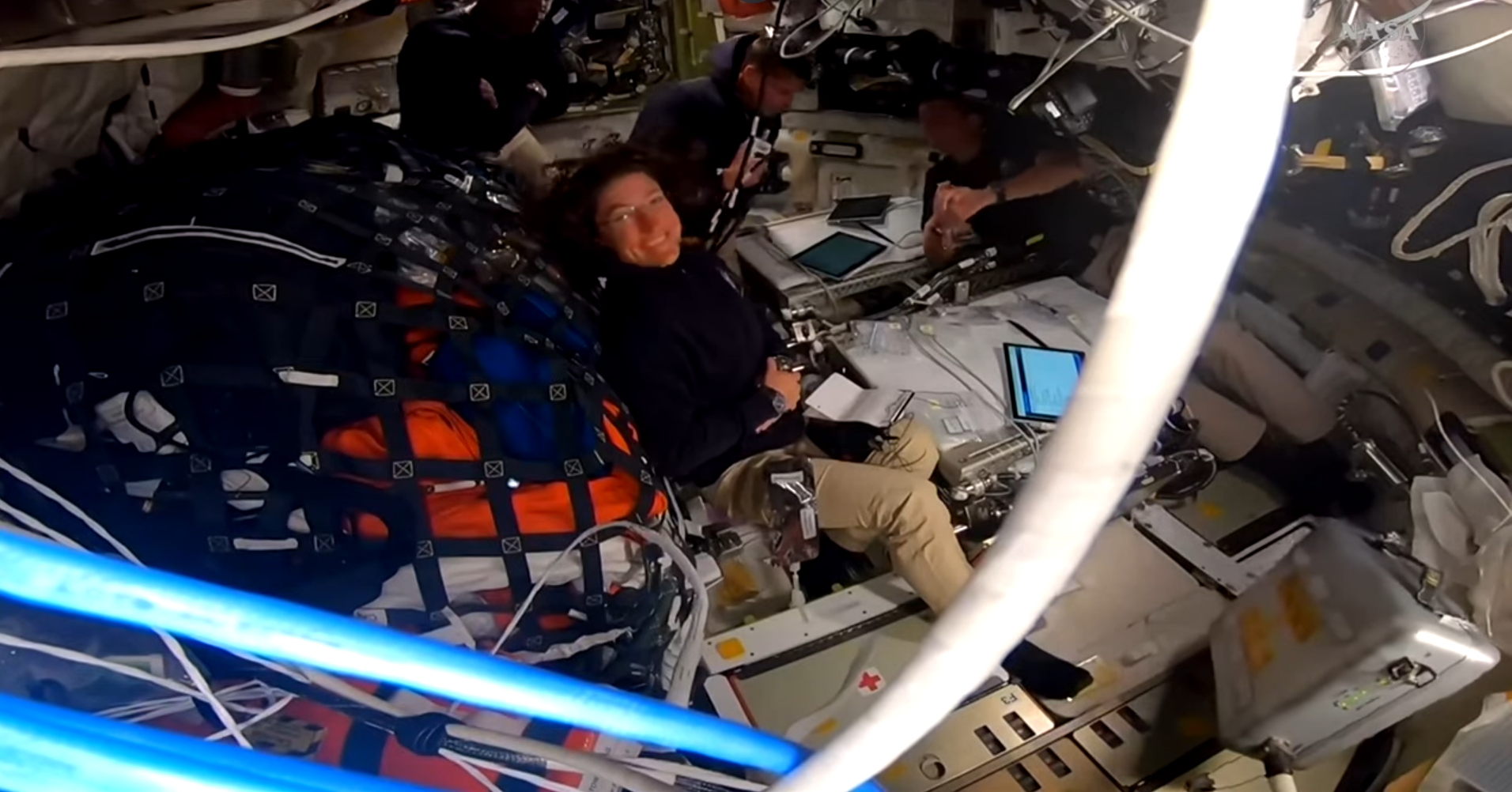
NASA's Artemis II Crew Arrives at Kennedy for April 1 Launch — First Humans to Moon's Vicinity in 53 Years
Reid Wiseman, Victor Glover, Christina Koch, and Jeremy Hansen are days from liftoff on a 10-day, 1.3-million-mile mission that will send the first woman and first Black astronaut beyond low Earth orbit, surpassing Apollo 13's record for the greatest distance from Earth.
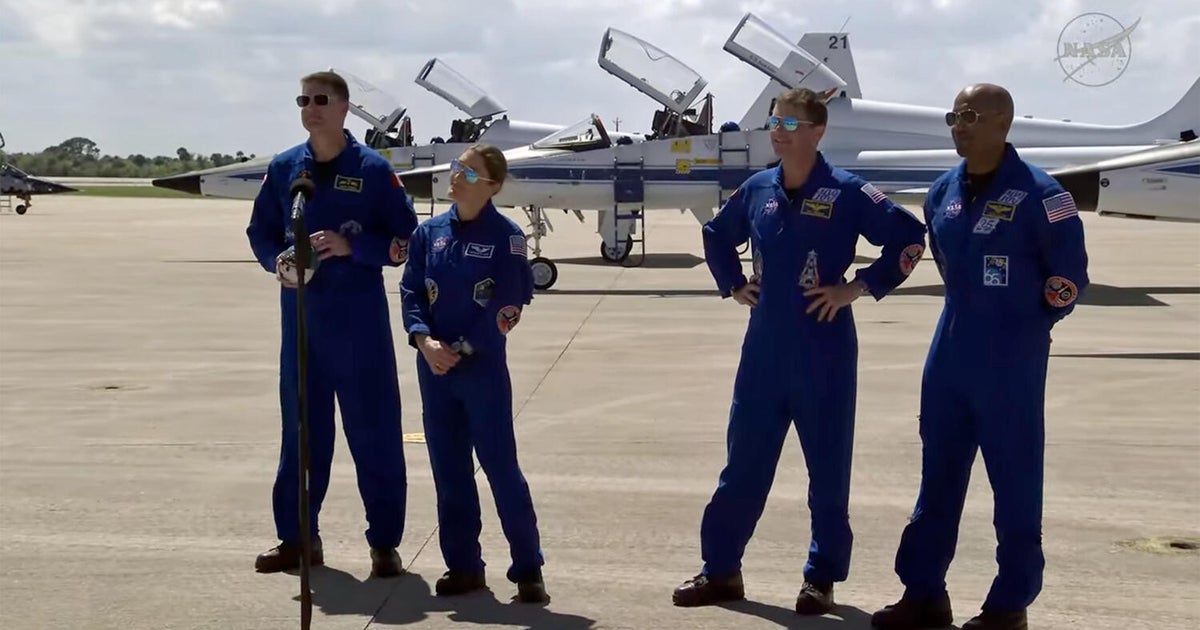
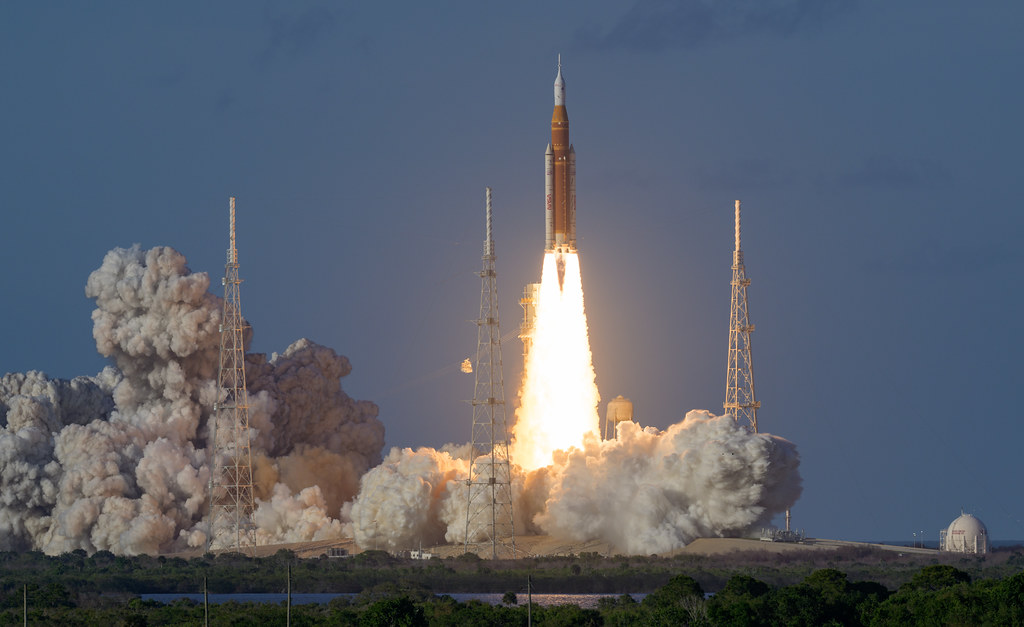
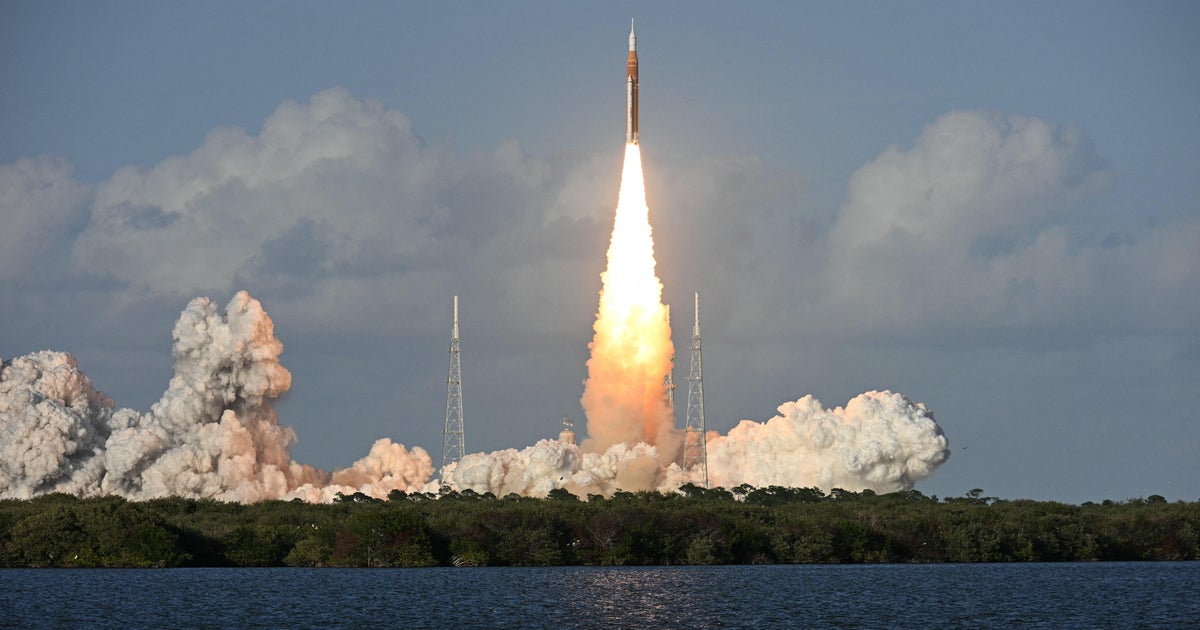
NASA's four Artemis II astronauts arrived at Kennedy Space Center in Florida on Friday, March 27, completing final preparations for the most consequential American space mission in more than 50 years. Commander Reid Wiseman, Pilot Victor Glover, Mission Specialist Christina Koch, and Canadian Space Agency Mission Specialist Jeremy Hansen gathered on the runway to introduce their zero-gravity indicator, a plush mascot named "Rise" — chosen from 2,600 international submissions in honor of the iconic "Earthrise" photograph taken by Apollo 8 astronaut Bill Anders in December 1968. The launch is targeted for no earlier than Wednesday, April 1, 2026, with a two-hour window opening at 6:24 p.m. Eastern Time. Additional opportunities run through Monday, April 6.
The mission will carry humans farther from Earth than any crew since Apollo 17 in December 1972 — a gap of more than 53 years. On a free-return trajectory, the Orion spacecraft will loop around the Moon's far side, coming within approximately 4,700 miles of the lunar surface at closest approach and reaching a maximum distance from Earth of roughly 280,000 miles, surpassing Apollo 13's record for the greatest distance traveled from Earth by a human crew. The 10-day flight will cover an estimated 1.3 million miles in total.
Artemis II represents several historic firsts packed into a single mission. Victor Glover will become the first person of color to travel beyond low Earth orbit, and the first Black astronaut to venture into deep space. Christina Koch will become the first woman to travel to the vicinity of the Moon. Jeremy Hansen, a Canadian Forces CF-18 fighter pilot, will be the first non-U.S. citizen to fly on a lunar mission. The crew also reflects a transformation in American human spaceflight from the all-white, all-male Apollo program to a mission that carries the full diversity of its country and its international partnerships.
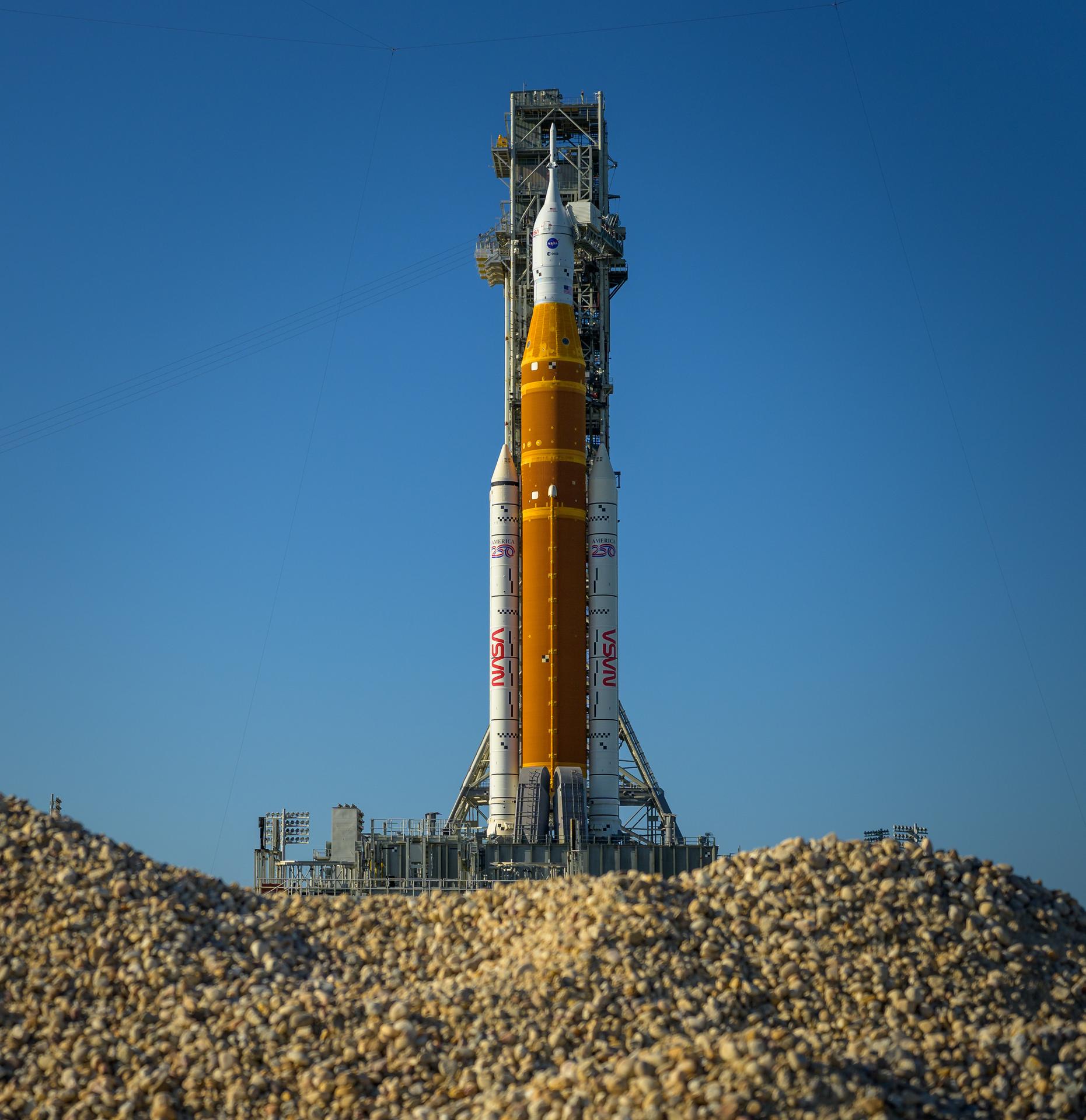
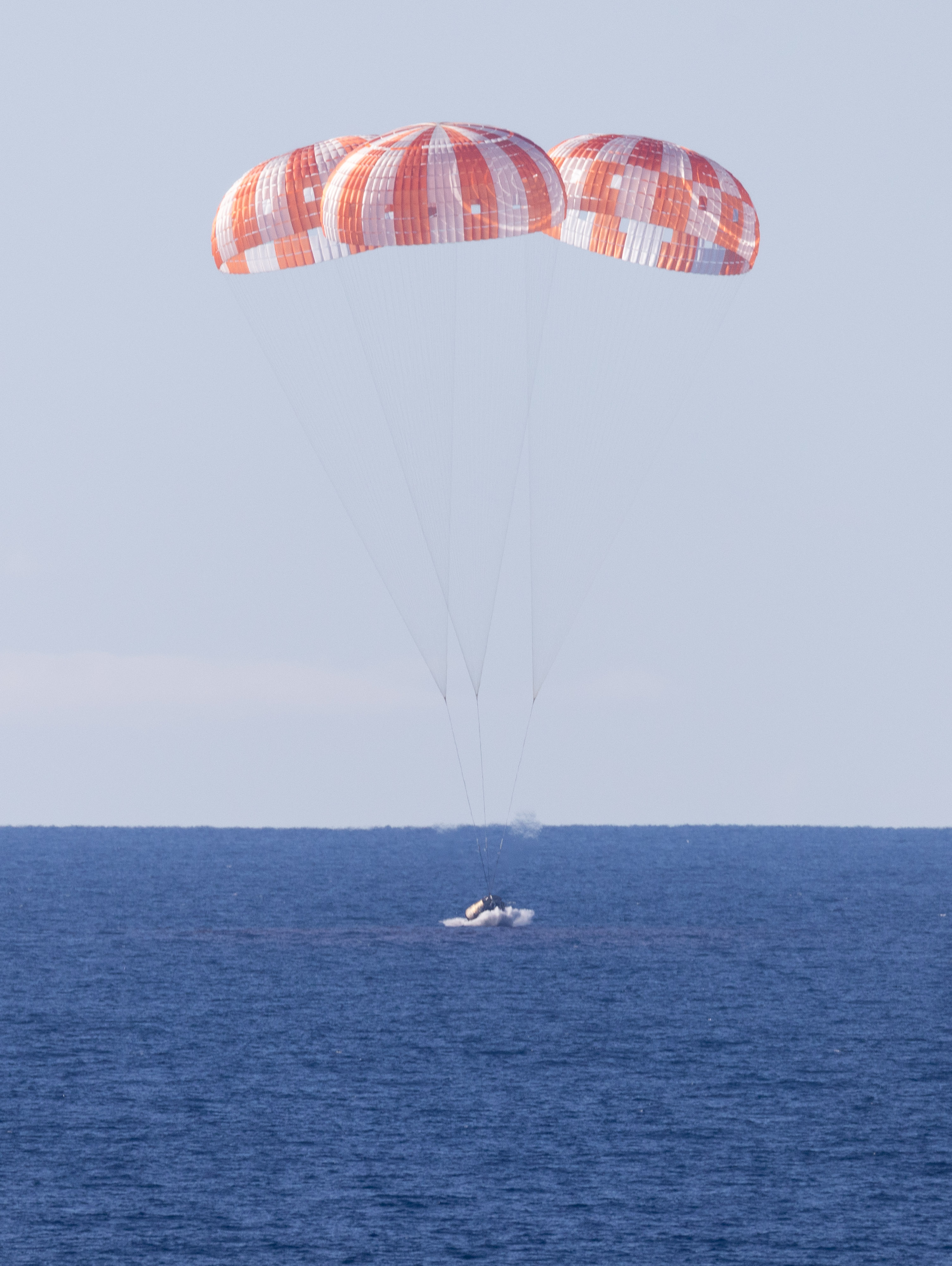
The Space Launch System rocket that will carry Orion stands 322 feet tall — taller than the Statue of Liberty — and generates 8.8 million pounds of liftoff thrust, 15 percent more than the Saturn V that powered the Apollo missions. Atop the SLS, the Orion spacecraft, designated "Integrity," carries four crew members in a pressurized cabin with 316 cubic feet of habitable volume, protected by an Avcoat ablative heat shield capable of withstanding temperatures up to 5,000 degrees Fahrenheit during atmospheric reentry at roughly 25,000 miles per hour. The mission will also test a laser-based optical communications system capable of downlinking data at up to 260 megabits per second from the vicinity of the Moon.
Artemis II is not a landing mission. The crew will not touch down on the lunar surface — that milestone is reserved for Artemis IV, tentatively planned for 2028, when astronauts are targeted to land near the Moon's largely unexplored south pole. But Artemis II serves as the crucial crewed systems verification flight, putting Orion and its passengers through conditions no unmanned test can replicate: the radiation environment of deep space, the thermal extremes of lunar distance, and the life-support demands of a 10-day mission beyond the protection of Earth's magnetic field.
Commander Wiseman described the stakes plainly at Kennedy on arrival: "If you want to go fast, go alone. If you want to go far, go together." The crew's backups — NASA's Andre Douglas and the Canadian Space Agency's Jenni Gibbons — stood ready at Kennedy should any of the four primary crew members be unable to fly. Across the country, millions of Americans who were not yet born when Apollo astronauts last walked the Moon will watch the launch on April 1 — a date that carries no shortage of significance for a mission that seemed impossible for decades and is now three days from liftoff.