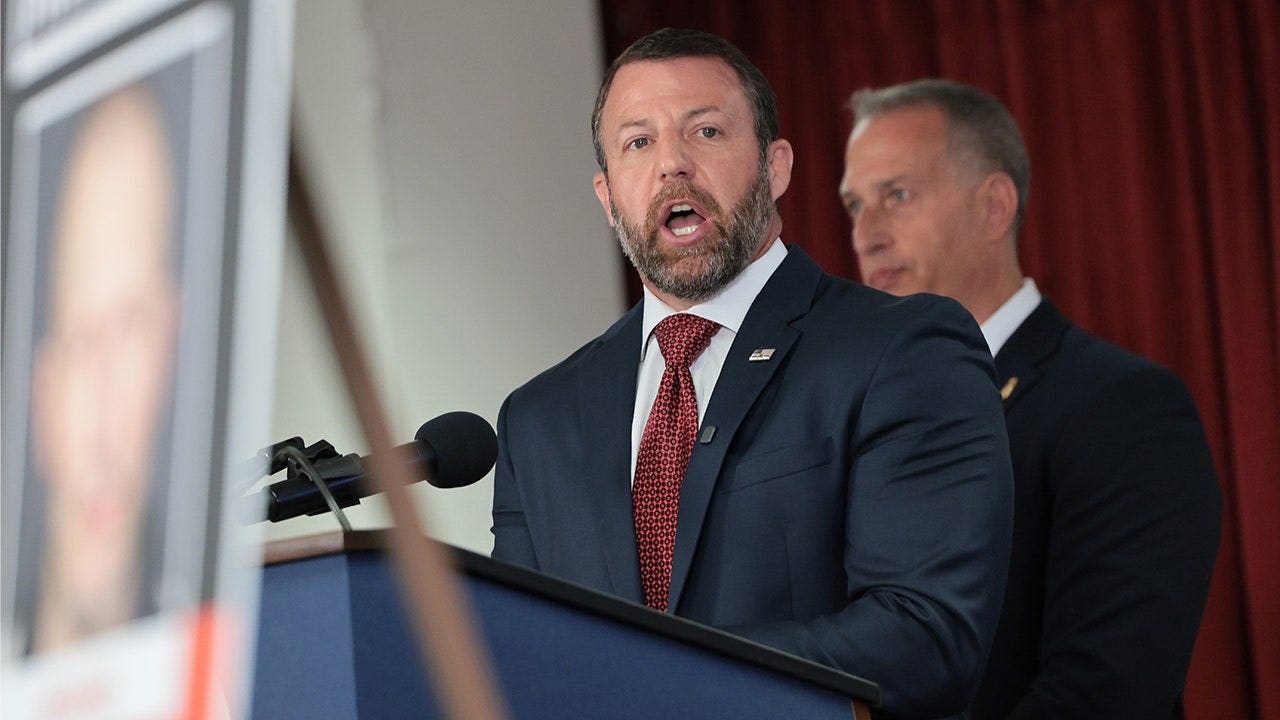
Mullin's DHS Nomination Clears Committee 8-7, Heads to Senate Floor With Fetterman's Deciding Vote
The Oklahoma senator survived a blistering confirmation hearing in which Republican chairman Rand Paul voted against him, with Democrat John Fetterman providing the one-vote margin that sends the nomination to the full Senate.
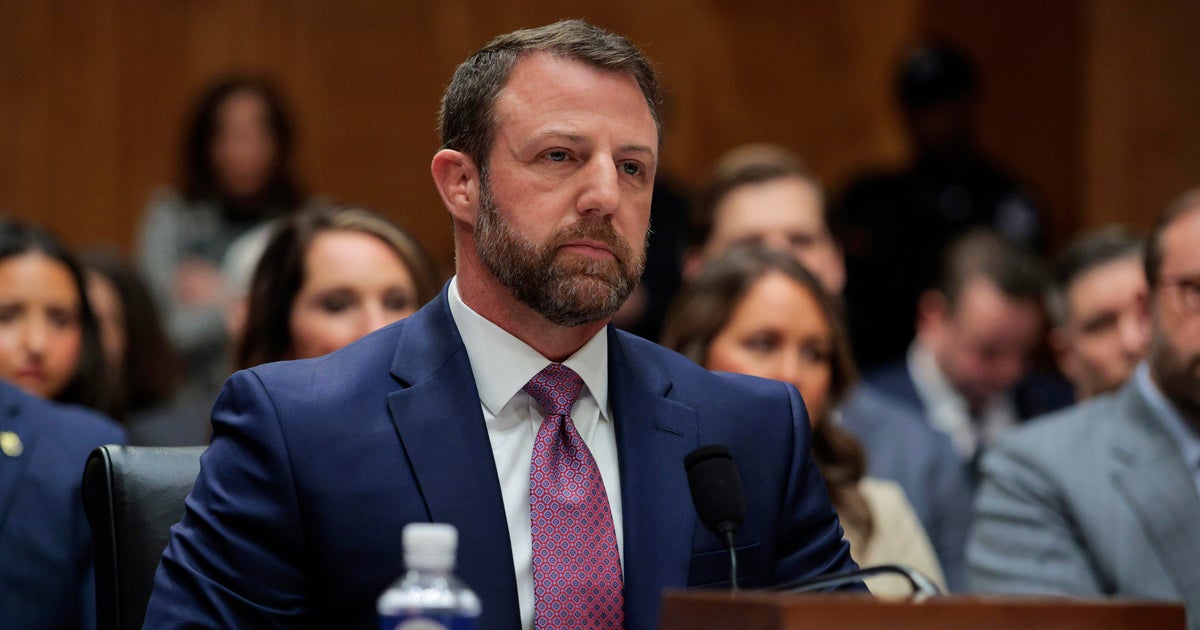
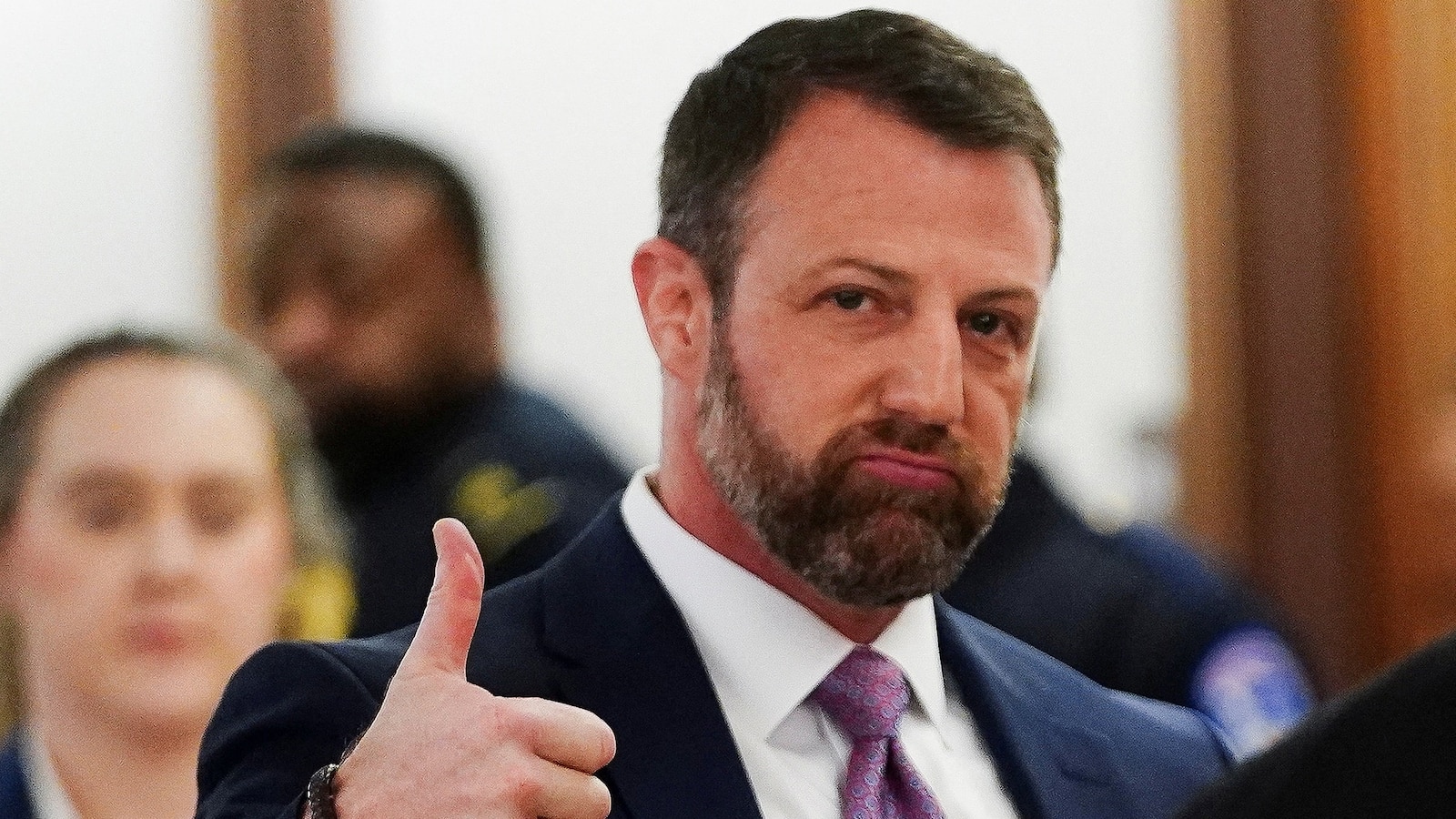
A Senate committee narrowly advanced the nomination of Sen. Markwayne Mullin, R-Okla., to lead the Department of Homeland Security on Thursday, with the decisive vote coming not from a Republican but from Pennsylvania Democrat John Fetterman, who crossed party lines to give Trump's pick a one-vote margin. The 8-7 vote in the Senate Homeland Security and Governmental Affairs Committee sends Mullin's nomination to the full Senate, where he is expected to be confirmed as early as next week despite a confirmation hearing that exposed deep personal and political divisions around the nominee.
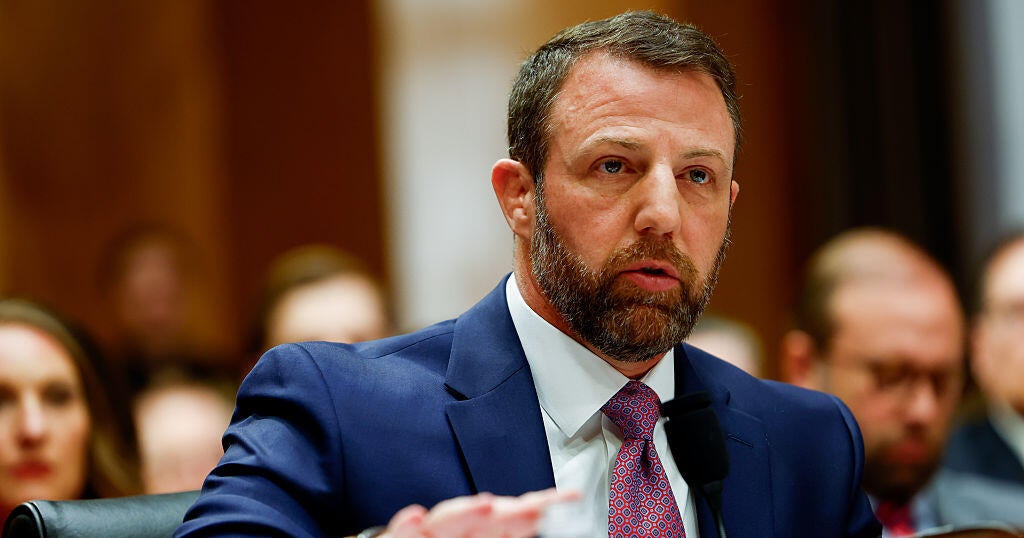
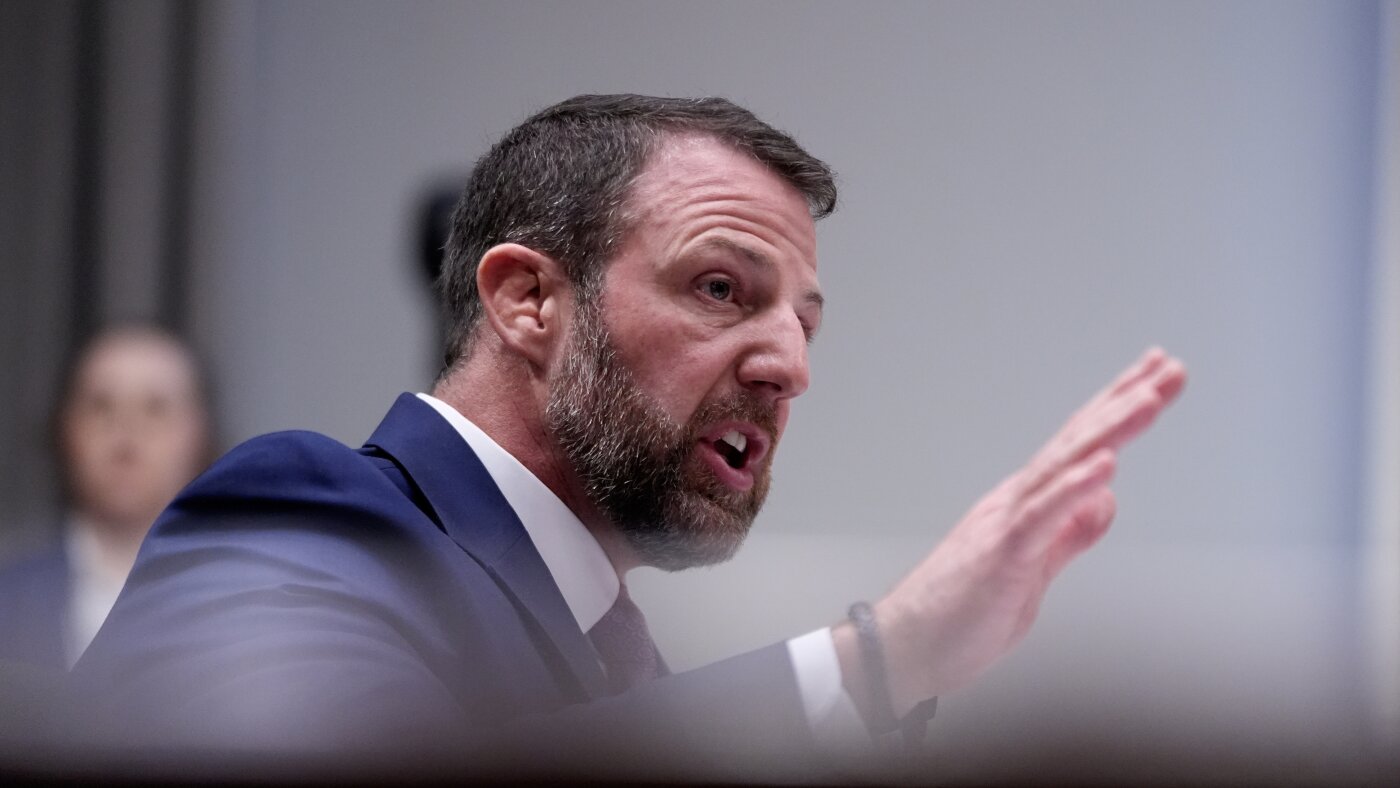
The hearing, held Wednesday, was one of the most contentious confirmation proceedings in recent memory. Mullin, a first-term senator, former MMA fighter, and enrolled member of the Cherokee Nation, was challenged for hours by Democrats who questioned his temperament and past comments about immigration enforcement deaths, and by the committee's own Republican chairman, Sen. Rand Paul of Kentucky. Paul opened the hearing with a blistering personal attack, citing comments Mullin had allegedly made calling him a "freaking snake" and saying he understood why a neighbor had physically attacked Paul in 2017, an assault that left the senator with serious injuries. "You offered no apology, and you offer no apology today," Paul told Mullin, who sought to defuse the confrontation by saying he had "differences of opinion" with colleagues but respected the institution. Paul announced after the hearing that he would vote against Mullin, and did — the lone Republican on the committee to do so.
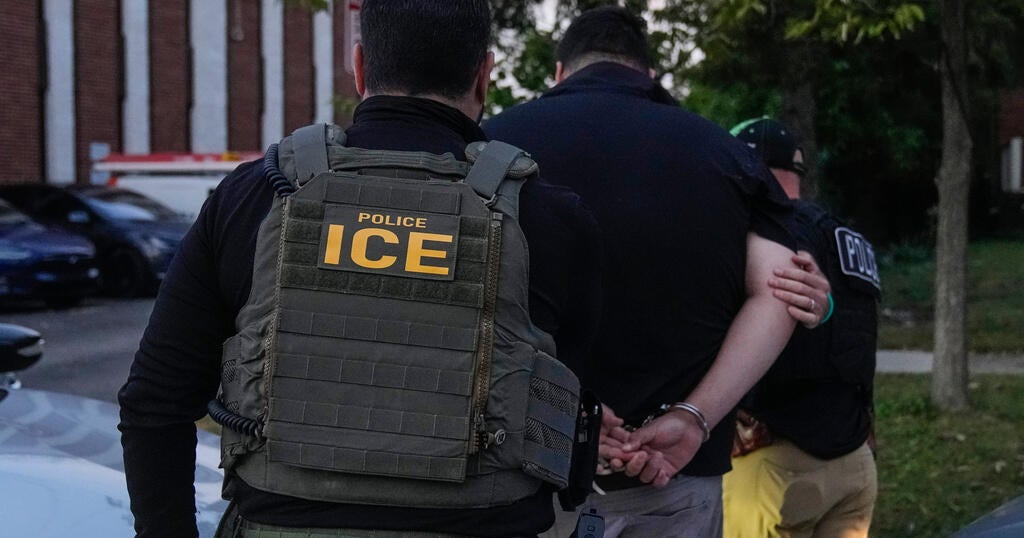
Democrats, meanwhile, pressed Mullin on his past description of two U.S. citizens killed by immigration enforcement officers as "deranged," a characterization he acknowledged at the hearing he should not have made. Sen. Elissa Slotkin of Michigan demanded to know whether Mullin would allow warrantless home entries by ICE officers; Mullin said he would require judicial warrants for homes and businesses. Another line of questioning centered on an undisclosed overseas trip Mullin took while still serving in the House of Representatives, which he said involved classified work he could not discuss in open session. The issue nearly derailed the Thursday vote until Mullin agreed to brief Paul and Senate Armed Services Committee members privately in a Sensitive Compartmented Information Facility before the panel's proceedings.
Fetterman's vote proved decisive. The Pennsylvania Democrat said his decision was rooted in a "consistent and constructive working relationship" with Mullin and framed it as prioritizing border security over partisan dynamics. "We need a leader at DHS. We must reopen DHS," Fetterman said in a statement, referring to the ongoing partial government shutdown affecting the department. Mullin's path to the floor cleared with a final vote count of 8-7, and Senate Majority Leader John Thune indicated floor time could be scheduled early next week, subject to scheduling. President Trump had set a March 31 deadline for Mullin's installation as DHS secretary, replacing Kristi Noem, whom Trump fired earlier this month in a dispute over department management.
If confirmed, Mullin would inherit a department under extraordinary strain. Hundreds of TSA agents have resigned since the government shutdown began, creating long security lines at airports during spring break travel season. DHS funding lapsed weeks ago, leaving large portions of the department operating under emergency authorities. Mullin told the committee he would immediately seek supplemental appropriations and move to restore TSA staffing. Civil liberties advocates noted that Mullin's stated positions on warrants represent a shift from the aggressive interior enforcement posture of his predecessor, though they cautioned the test would come in implementation, not in hearing-room pledges.