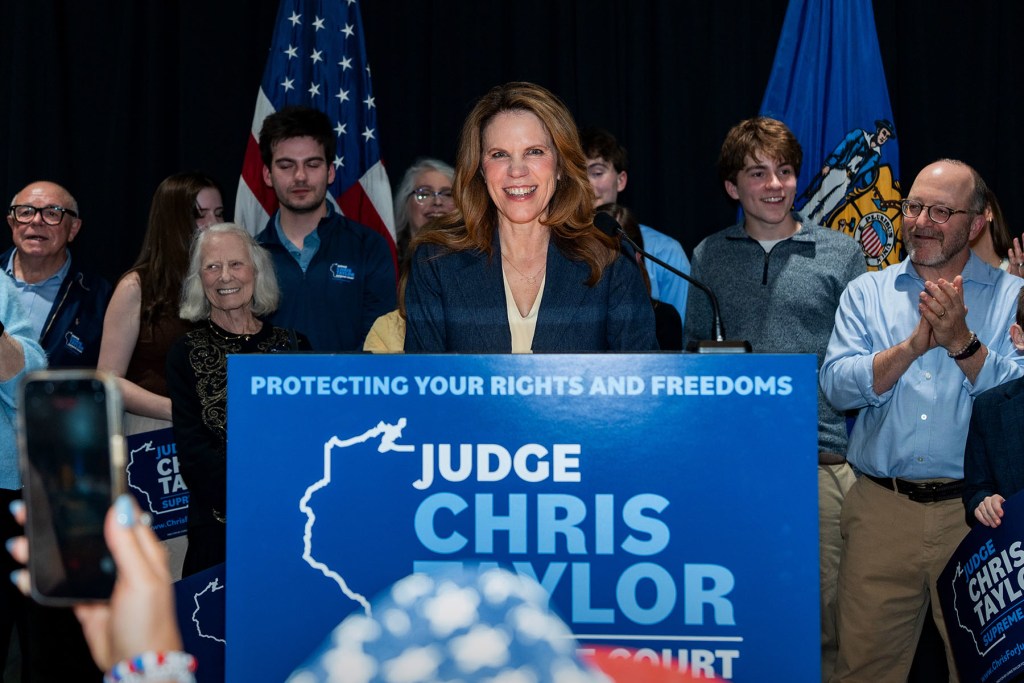
Liberal Judge Chris Taylor Wins Wisconsin Supreme Court Race by 20 Points, Expanding Majority to 5-2
The result overperformed 2024 Democratic presidential results by 21 points, handing liberals a guaranteed Supreme Court majority in Wisconsin until at least 2030.
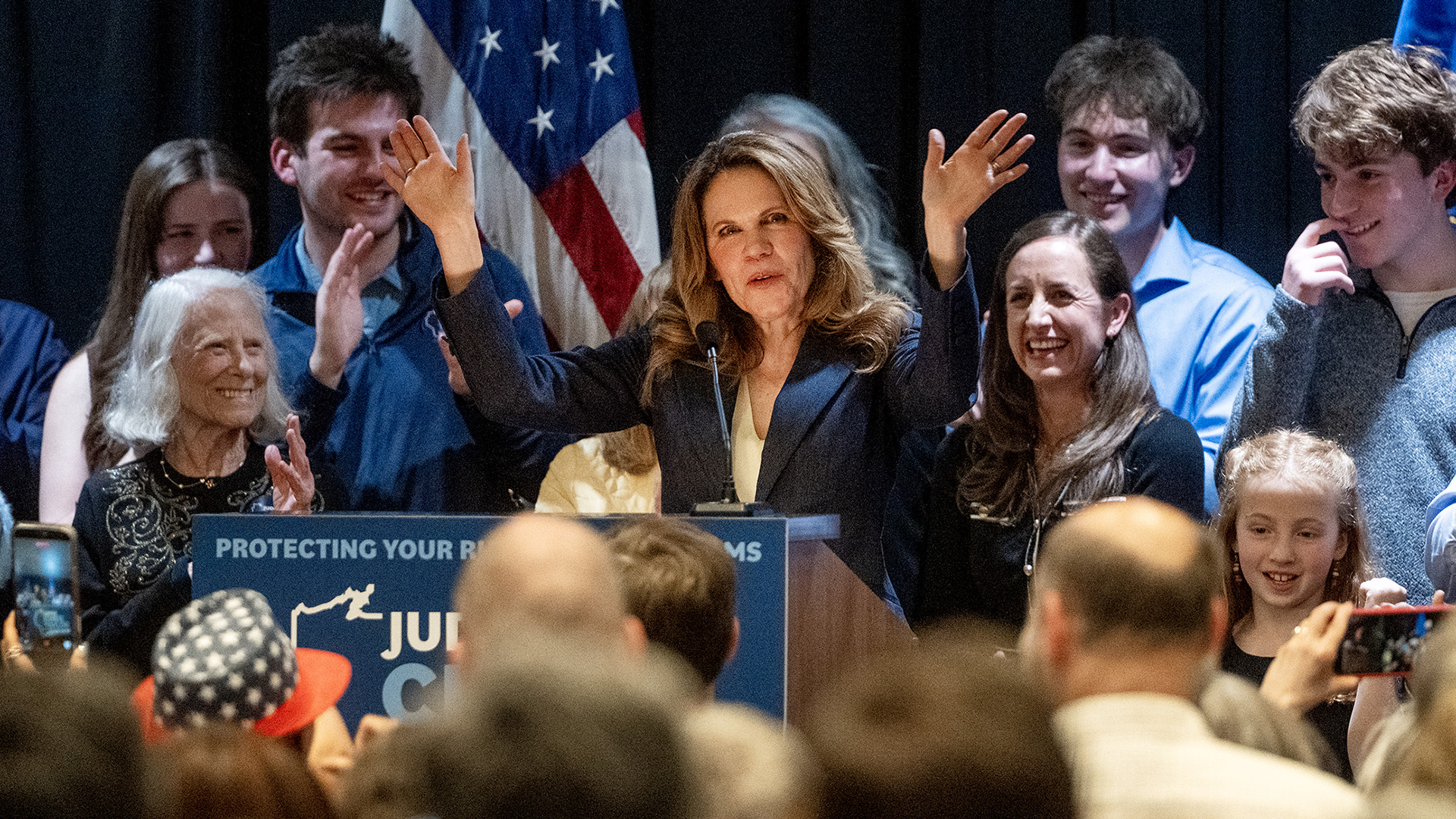
MADISON, Wis. — Court of Appeals Judge Chris Taylor cruised to a 20-percentage-point victory in Tuesday's Wisconsin Supreme Court election, delivering liberal judicial candidates their fourth consecutive statewide win since 2020 and expanding the court's left-leaning majority from 4–3 to a commanding 5–2 margin that is now locked in until at least 2030. The result, in which Taylor defeated Republican-backed candidate Maria Lazar by a margin that overperformed 2024 Democratic presidential results in the state by roughly 21 points, is being read by both parties as a bellwether of the national political mood heading into the 2026 midterm elections.
Taylor, a former state legislator turned appeals judge known for her record on reproductive rights and voting access, ran on a platform of judicial independence and opposition to what she described as politically motivated interference in Wisconsin's courts. Lazar, backed by Republican donors and aligned with the state's conservative legal establishment, argued that the court had moved too far left and needed to be rebalanced. With roughly 1.5 million votes cast — down from 2.4 million in last year's higher-profile race — the electorate that did turn out broke decisively in Taylor's direction across suburban counties that had been competitive as recently as the 2022 midterms.
For Wisconsin Democrats, the win represents more than a single seat. The 5–2 liberal majority now controls the court for the foreseeable future, with the next opportunity for conservatives to flip a seat not arising until 2030. That timeline has immediate practical consequences: the court is expected to take up major cases on redistricting, voting rights, and abortion access in the next two terms, and a liberal supermajority will face no risk of a swing vote defection. Redistricting experts say the court's composition virtually guarantees that Wisconsin's notoriously gerrymandered legislative maps will face sustained legal challenge with a sympathetic audience.
National Democrats, still processing the party's difficult post-2024 landscape, were quick to seize on the margin. "Wisconsin just showed the country that voters are wide awake," said Wisconsin Democratic Party Chair Ben Wikler. "A 20-point win in a state Trump carried last cycle is not a blip — it's a signal." Republicans offered a more measured reading, noting that the electorate in April judicial elections skews heavily toward engaged partisans and that lower turnout amplifies each side's base. Still, internal GOP analysis shared with Politico this week acknowledged a 21-point swing from presidential performance represented a worrying structural deficit with suburban and college-educated voters.
The result adds to a mounting body of evidence that Democrats have been consistently outperforming their presidential margins in off-cycle and special elections since 2022. In Georgia, Republicans won a special congressional election earlier this month but by a significantly narrower margin than Trump carried that district in 2024. In New Jersey, a progressive challenger is competing in a special House election next week that national Democrats see as another test of the anti-Trump enthusiasm that has driven their judicial and statewide overperformances. For Judge Taylor, the immediate focus is more practical: she will be sworn in to the Wisconsin Supreme Court in August and has said her first priority is clearing a backlog of voting rights cases that have been awaiting a full court for months.