James Webb Telescope Finds Diamond-Soot Atmosphere on Lemon-Shaped Planet Orbiting a Pulsar
Webb's spectroscopic observations of PSR J2322-2650b revealed helium mixed with carbon molecules including C2 and C3 — the same clusters that form diamond precursors — in an atmosphere unlike anything previously observed.
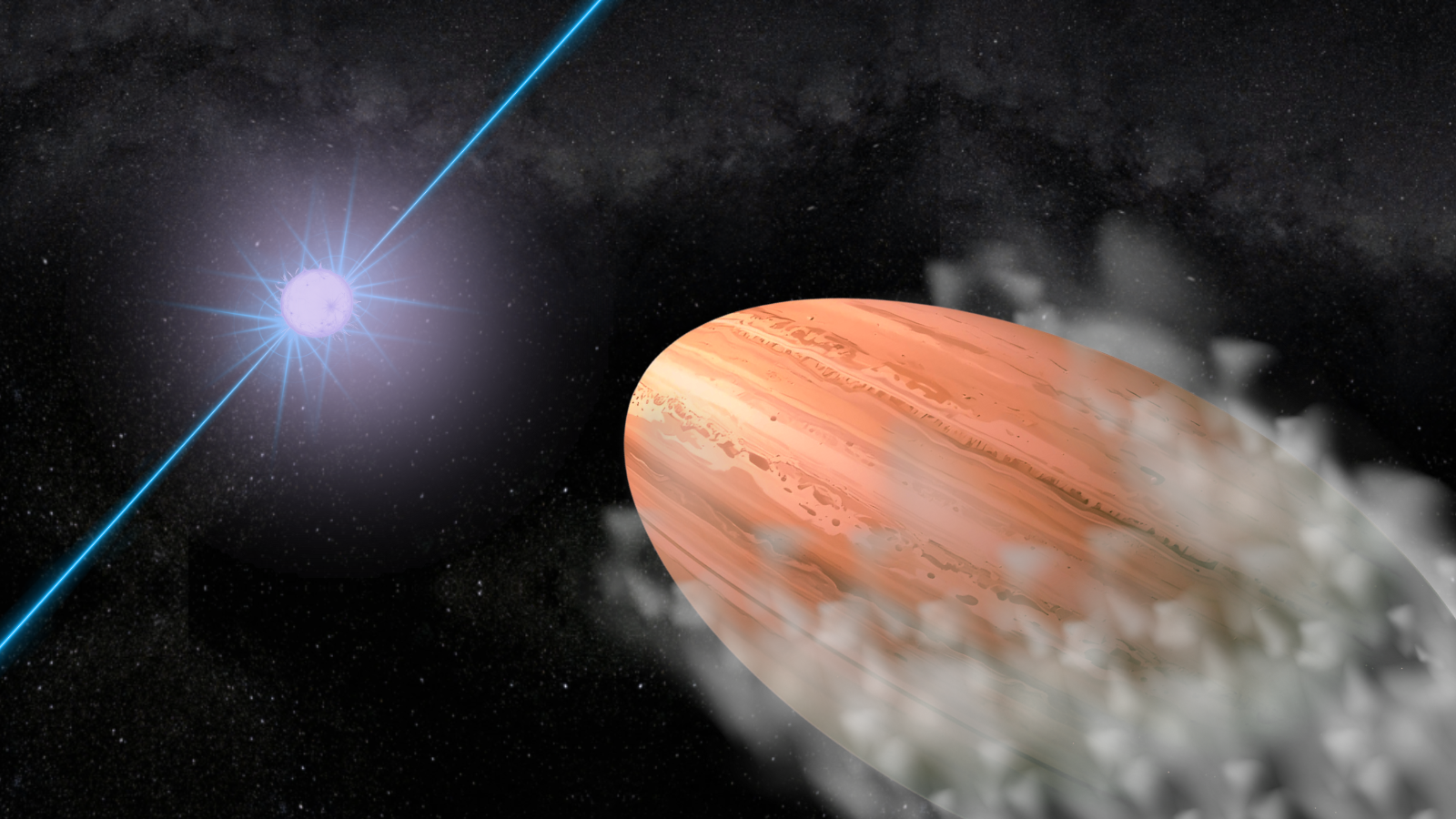
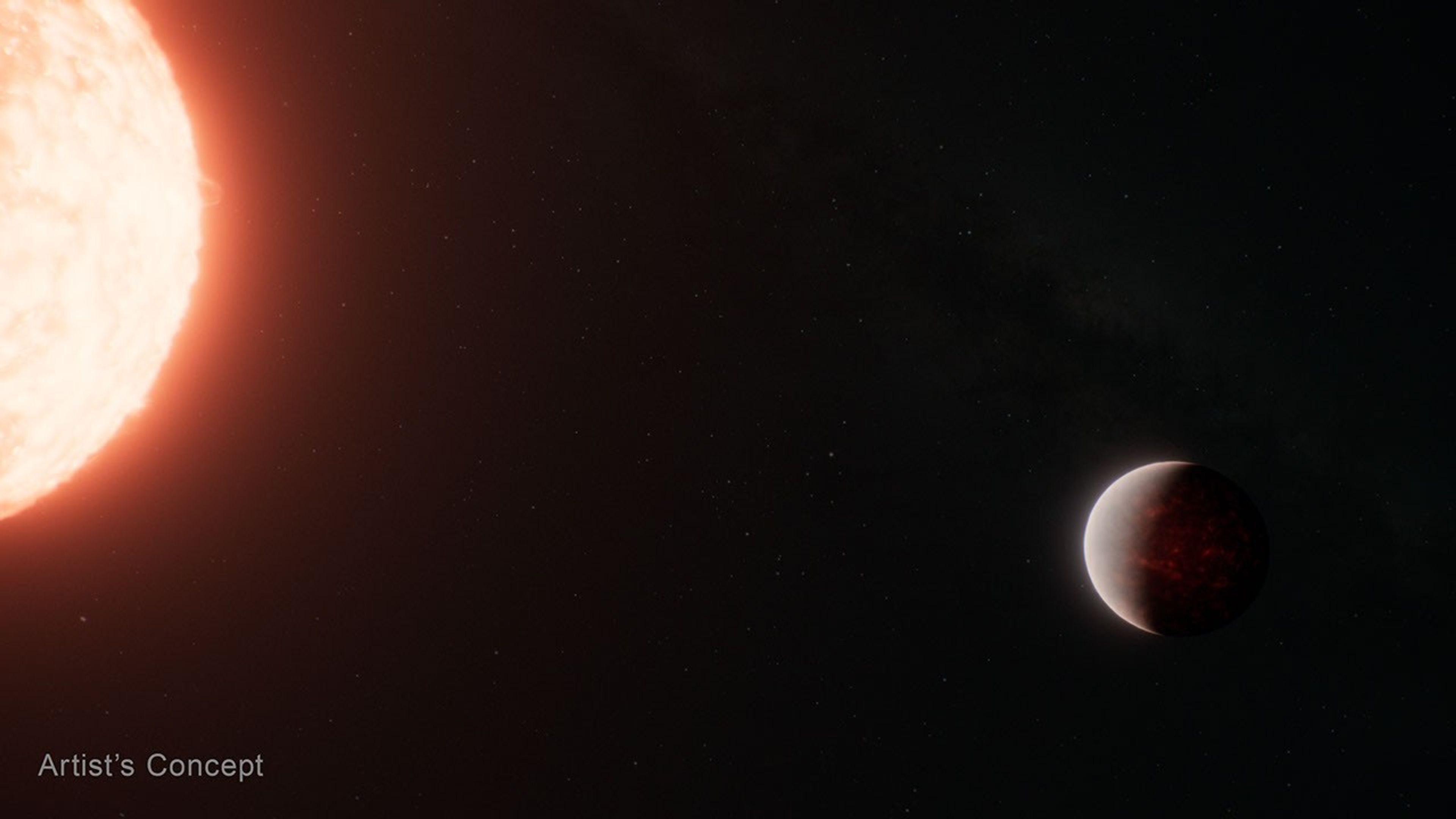
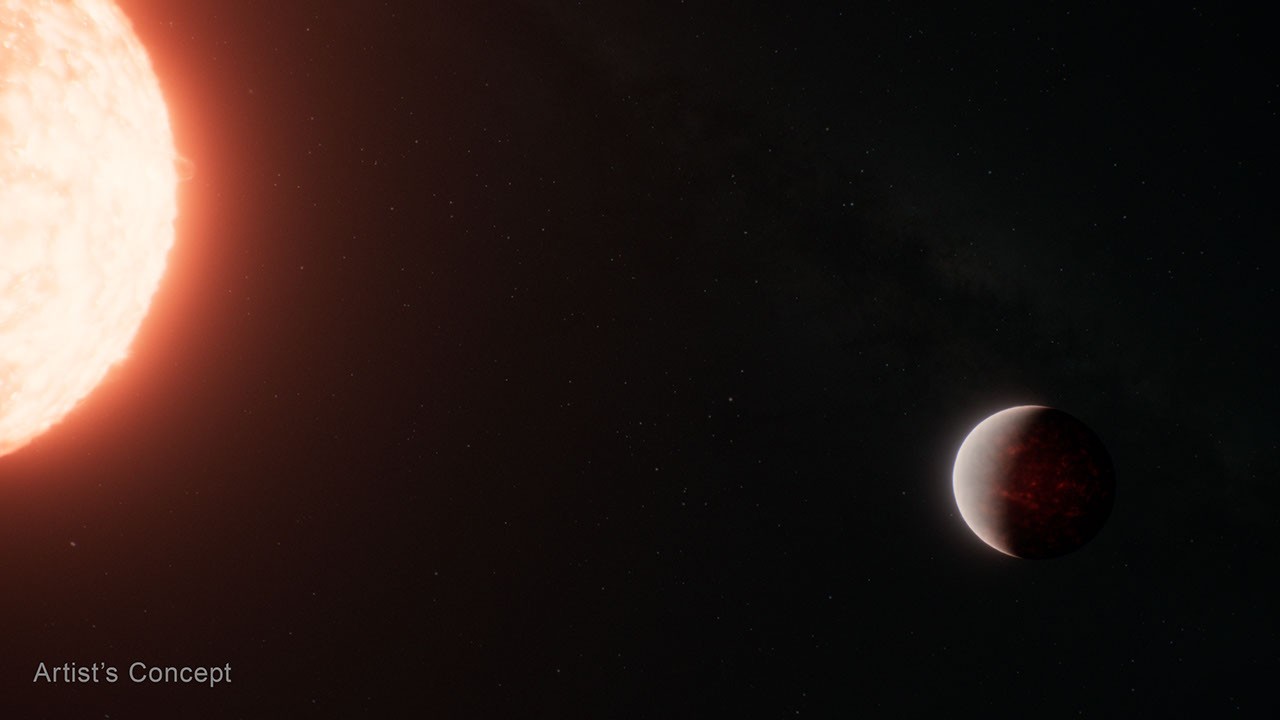
The James Webb Space Telescope has revealed that a strange, lemon-shaped planet orbiting a millisecond pulsar at extraordinary speed has an atmosphere made of helium laced with diamond-forming carbon molecules — a bizarre chemical environment that has left astronomers struggling for analogues in the known universe.
The planet, designated PSR J2322-2650b, orbits its host pulsar — a rapidly spinning neutron star — once every 7.8 hours, completing nearly three full orbits every Earth day. At that proximity to the pulsar, the planet is subject to intense gravitational forces that distort its shape from a sphere into a prolate ellipsoid, or lemon shape, with the ends pointing toward and away from the star elongated by tidal stress. The planet itself is roughly the mass of Jupiter compressed into a smaller volume, and appears to have been stripped of its outer gas layers by the radiation environment of the pulsar over millions of years.
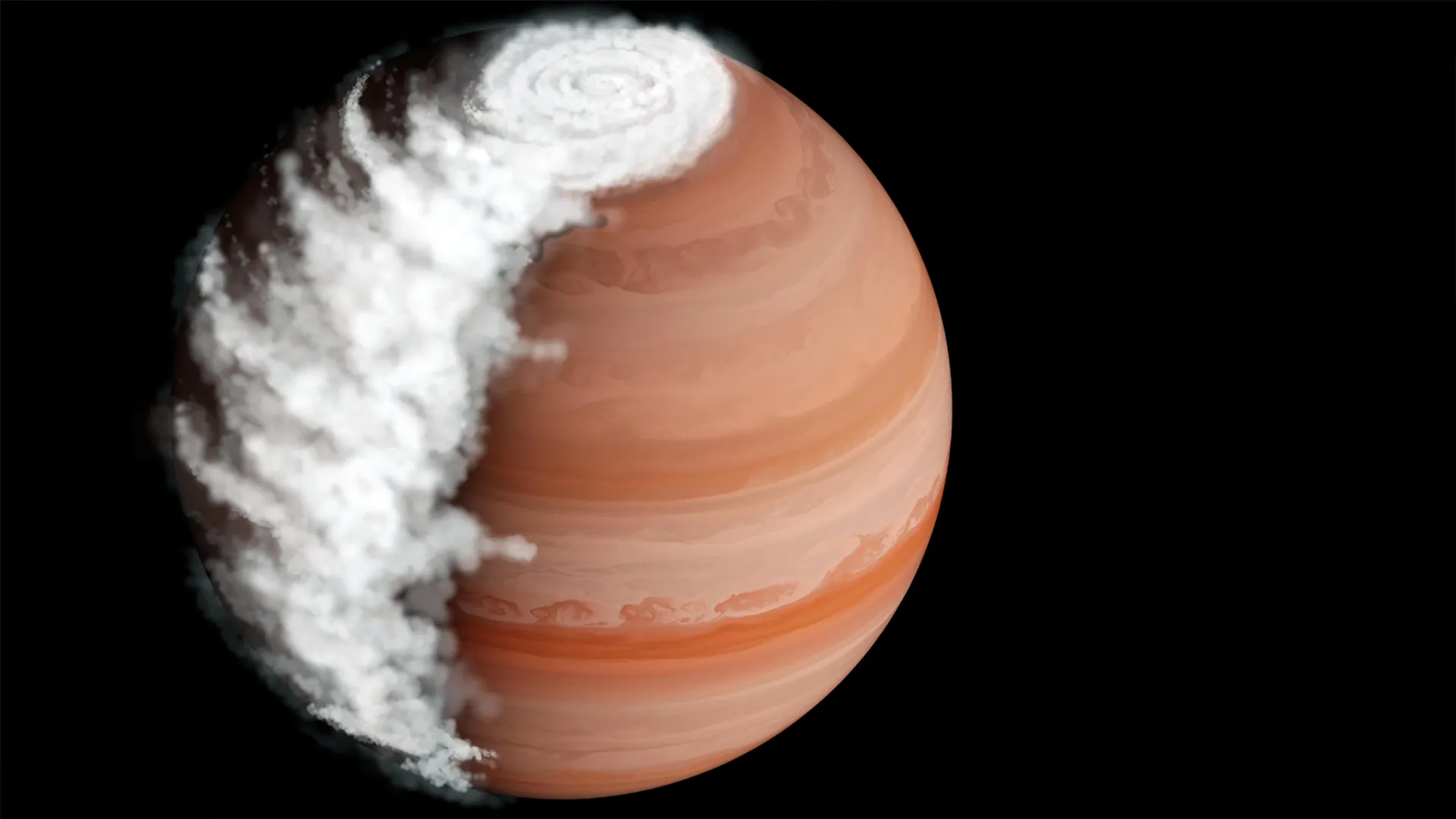
Michael Zhang, a graduate researcher at the University of Chicago who led the JWST analysis, described the atmosphere as unlike anything seen before. Spectroscopic observations from JWST identified helium as the dominant atmospheric component, alongside molecular signatures consistent with carbon compounds including C2 and C3 molecules — the same carbon clusters that form the precursors to diamond synthesis in laboratory settings.
"What the heck is this?" was how co-author Peter Gao of the Carnegie Institution for Science described the team's initial reaction when the spectral data came back. The presence of both helium and these carbon molecules in the same atmosphere does not match any known planetary type. The researchers hypothesize that the carbon originates from the planet's interior, possibly vaporized from a carbon-rich mantle and mixed upward into the helium-dominated outer envelope.
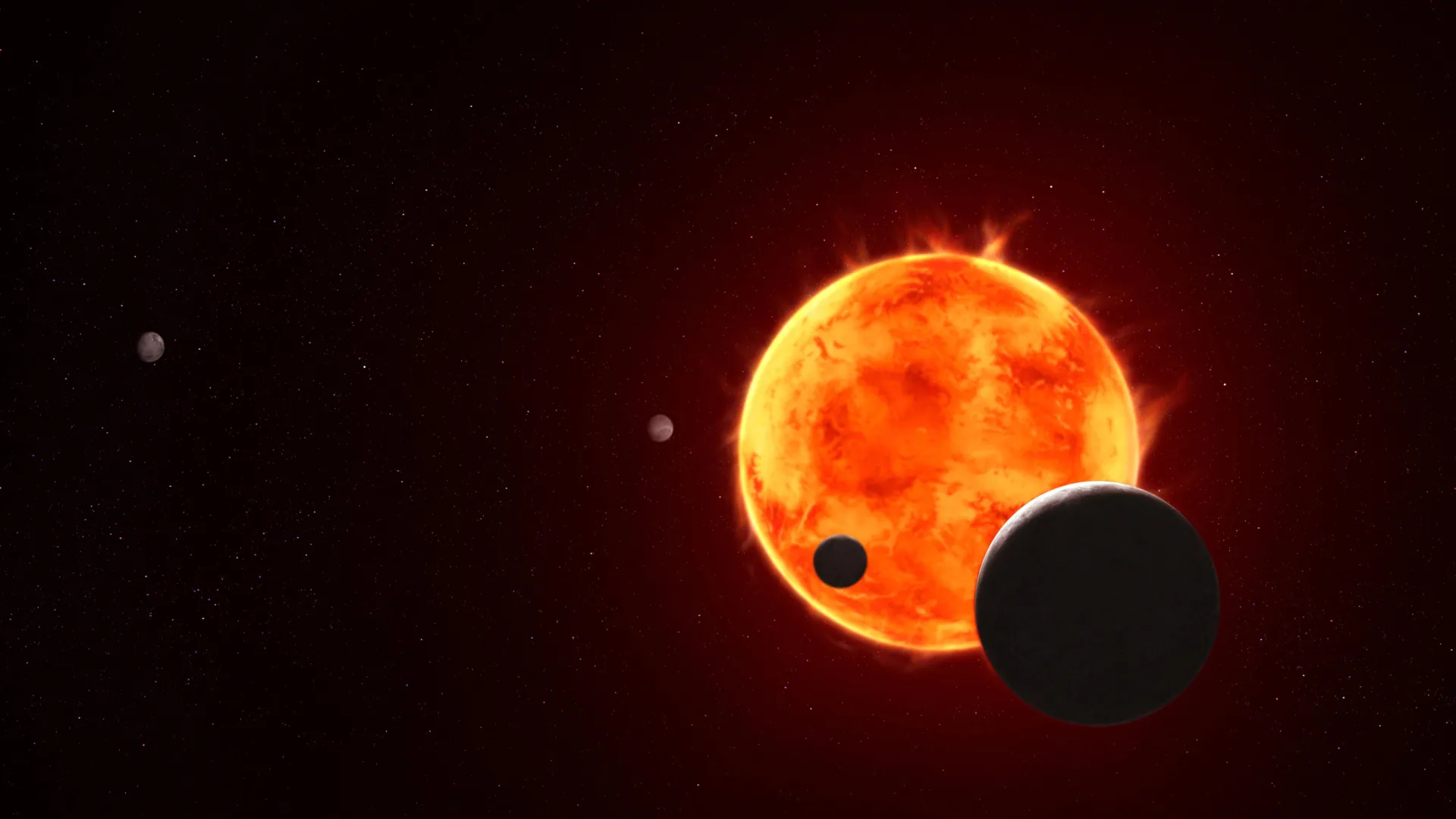
Millisecond pulsars form through a different evolutionary path than ordinary neutron stars. They begin as normal pulsars that gradually slow down, then are "spun up" again to rapid rotation by accreting mass from a companion star in a binary system. This process, called recycling, often leaves behind companion objects that are the stripped remnants of the donor star — white dwarfs, exotic carbon planets, or in some cases the kind of transitional object that PSR J2322-2650b appears to represent.
The JWST findings add detail to a growing catalogue of exotic planetary environments discovered around stellar remnants. Previous studies have identified planets around pulsars since the early 1990s — in fact, the first confirmed exoplanet detection in history was around a pulsar — but the atmospheric characterization capability that JWST provides is entirely new. For the first time, astronomers can not only detect that a pulsar companion exists but begin to understand its chemistry.
Zhang and colleagues said the results, published in a peer-reviewed journal, raise questions about whether the diamond-precursor carbon in the atmosphere of PSR J2322-2650b might eventually condense under the right conditions, raising the intriguing if speculative possibility of a world raining carbon crystals through its alien skies.