3,800 JBS Workers Are Five Days Into the First Meatpacking Strike in 40 Years — Beef Prices Set to Spike
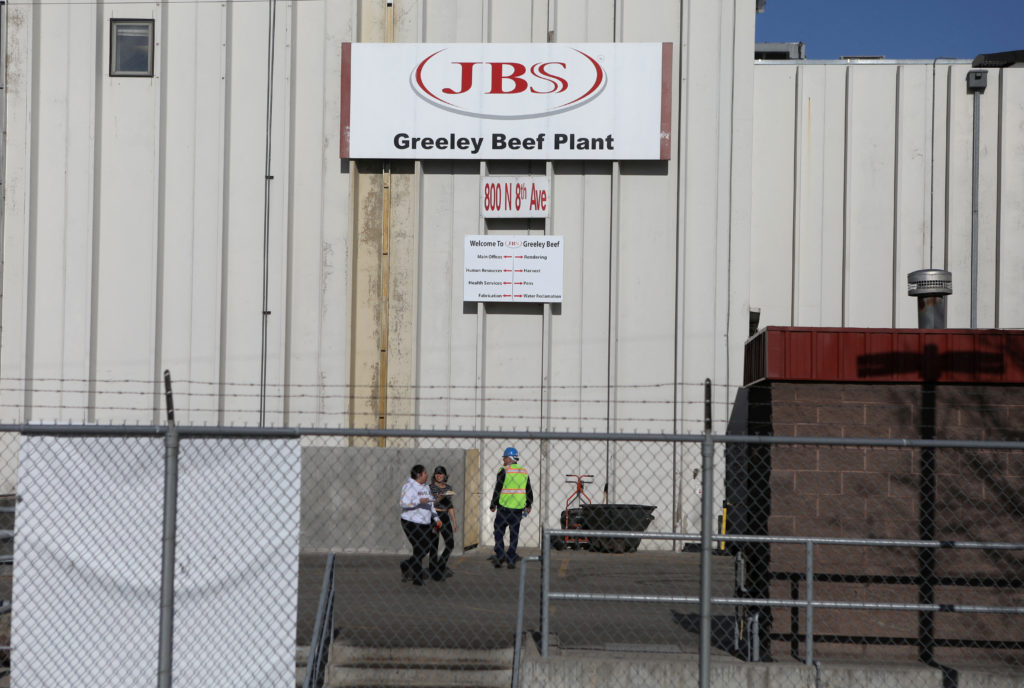
Workers at the Greeley, Colorado plant that processes 8 percent of U.S. beef walked out over stagnant wages, dangerous line speeds, and denied protective equipment, in the most significant food-industry labor action since the 1985 Hormel strike.
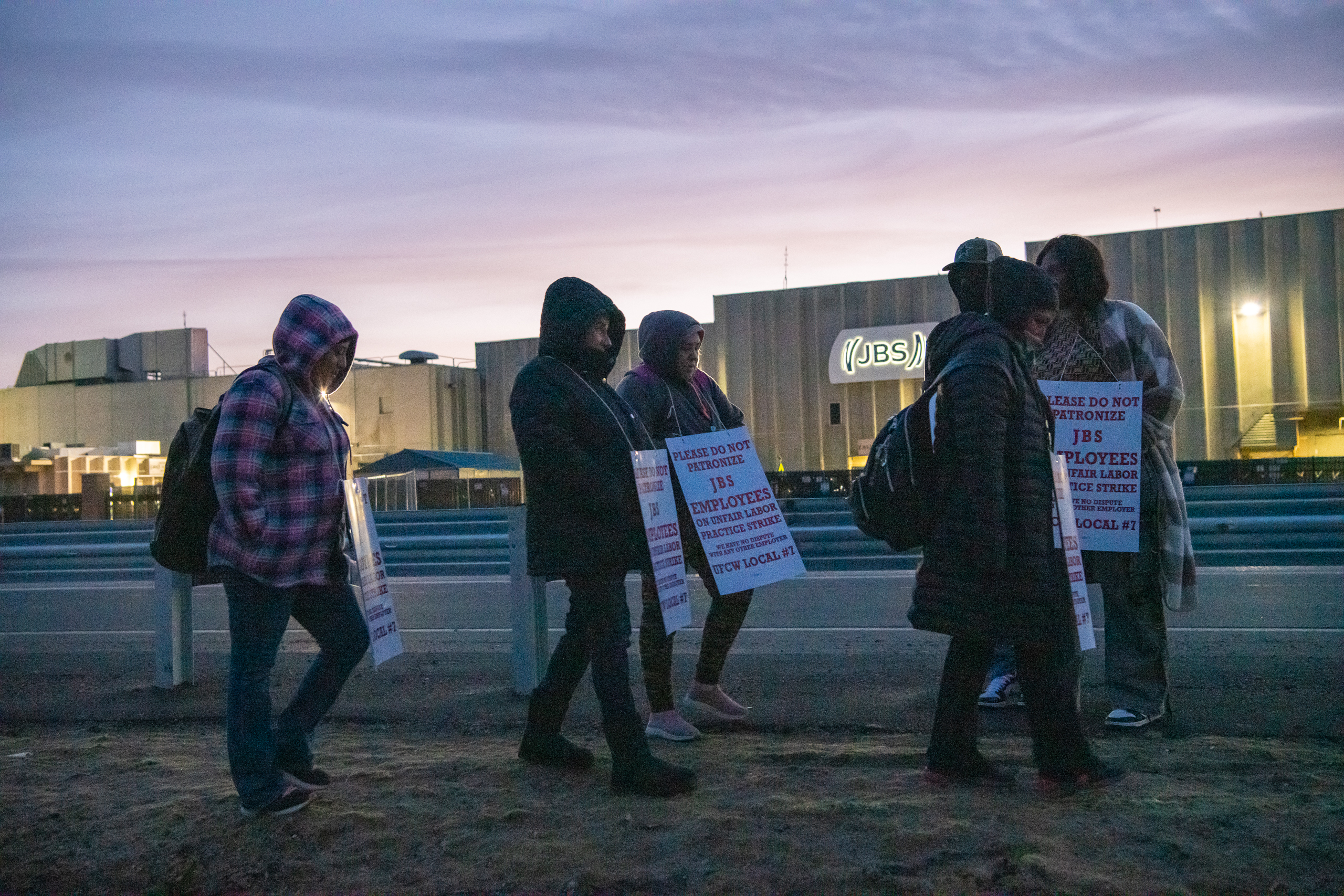
On the morning of March 16, before the sun had fully risen over northeastern Colorado, approximately 3,800 workers walked off the floor of the JBS USA beef processing facility in Greeley and onto the picket line outside. Five days later, they are still there — and the first meatpacking industry strike in four decades shows no signs of ending soon.
The workers, represented by United Food and Commercial Workers Local 7, voted 99 percent in favor of authorizing the strike after eight months of failed contract negotiations with JBS USA, the American arm of the world's largest beef producer. The core dispute centers on wages that union president Kim Cordova says are indefensible. JBS offered workers a raise of roughly 60 cents per hour in the first year and 30 cents annually after that — well below Colorado's inflation rate and, the union argues, effectively a pay cut in real terms when rising healthcare premiums are factored in. "Healthcare costs for our workers went up 22 cents an hour," Cordova said, "which means their net raise is essentially nothing."
But money is only part of the grievance. Workers have also described a plant where safety complaints go unaddressed and line speeds have accelerated to dangerous levels. JBS increased the slaughter line's pace to 420 animals per hour, up from 390 — a change the union says directly increased the risk of lacerations and musculoskeletal injuries. Deborah Rodarte, a worker at the facility, told the Colorado Sun she was repeatedly denied replacement knives for dull blades, a hazard that research shows can require 25 to 63 percent more cutting force and significantly raises the risk of serious injury. Some coworkers, she said, worked for more than a year with ripped protective mesh tunics because replacement equipment in their size was unavailable. JBS has charged workers as much as $1,100 out-of-pocket for personal protective equipment that the union argues should be provided at no cost.
JBS disputed many of the safety allegations, saying employees may leave the production line for approved reasons including restroom breaks without disrupting operations, and that Victorinox knives are replaced throughout each shift. The company called its contract offer "strong, fair, and consistent" with the national agreement reached with UFCW International in 2025, adding that the union "abruptly ended negotiations" rather than allowing workers to vote on the offer.
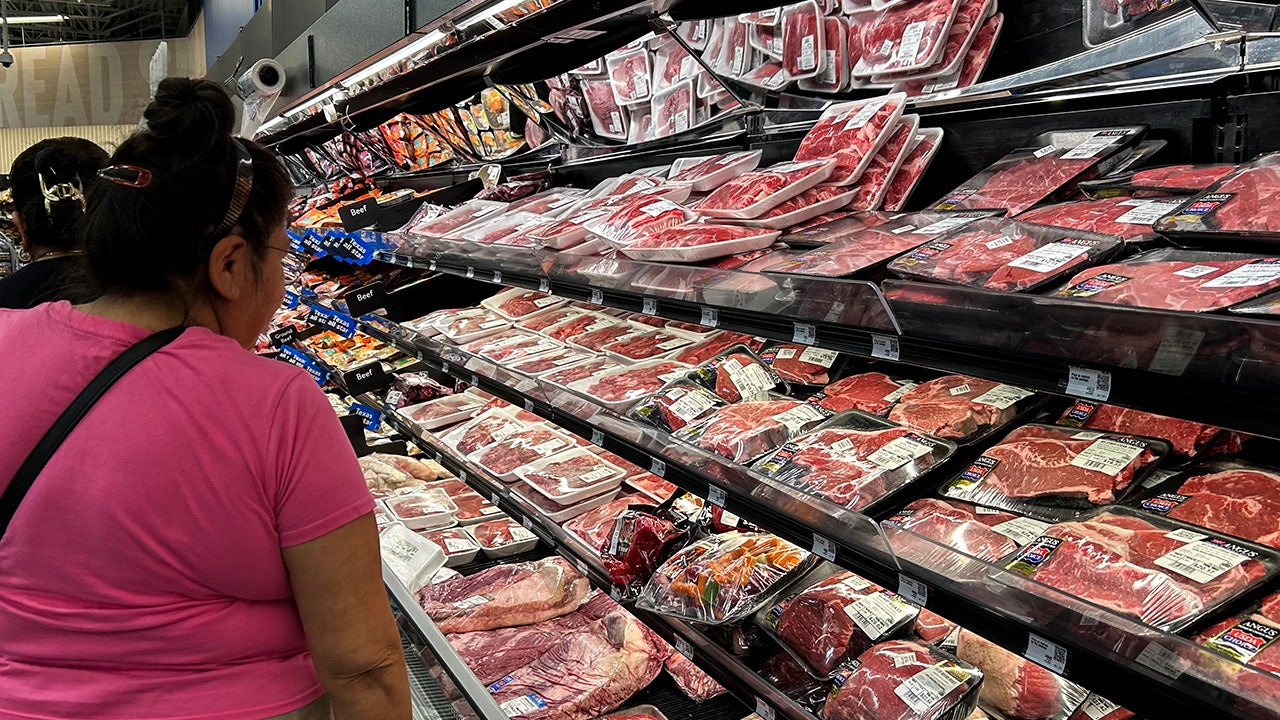
The economic stakes of the walkout extend well beyond Greeley. The JBS facility there processes as many as 5,000 to 6,000 cattle per day, representing roughly 8 percent of all beef slaughtered in the United States on any given day. The plant is one of the four largest beef processing facilities in the country, which together account for approximately 85 percent of U.S. production. Industry analysts warn that a prolonged strike could tighten beef supplies at grocery stores within weeks, particularly given that consumers are already paying near-record prices for ground beef and steak. The last comparable walkout — at a Hormel Foods plant in Austin, Minnesota in 1985 — lasted more than a year and included violent clashes between police and striking workers. UFCW Local 7 says the current strike is authorized for two weeks but could be extended if negotiations do not resume.