INTERPOL Sweep Nets 5,811 Arrests and Seizes $293 Million in a 97-Country Assault on Scam Networks
Operation First Light 2026 froze more than 31,000 bank accounts and identified 142,000 victims worldwide, exposing romance scams, crypto laundering and a fake Brazilian police station built to fool marks.
A sprawling international police operation coordinated by INTERPOL has led to 5,811 arrests and the interception of roughly $293 million in illicit assets, in one of the largest coordinated crackdowns yet on the global industry of social-engineering scams that has drained billions from victims around the world.
The four-month campaign, dubbed Operation First Light 2026, ran from Jan. 15 to April 30 and drew in law enforcement agencies across 97 countries and territories, INTERPOL announced. Investigators sifted through 152,808 cases, closed 23,715 of them, identified 15,606 suspects and froze 31,014 bank accounts used to move criminal proceeds. More than 142,000 victims were identified globally — a figure officials caution understates the true toll, since most scam victims never come forward.
The operation zeroed in on social-engineering fraud — the psychological manipulation at the heart of romance scams, business email compromise, sextortion, fake investment schemes and phishing — and on the money-laundering pipelines that convert stolen cash into cryptocurrency and cash it out. The cases investigators unraveled read like a catalog of modern criminal ingenuity.
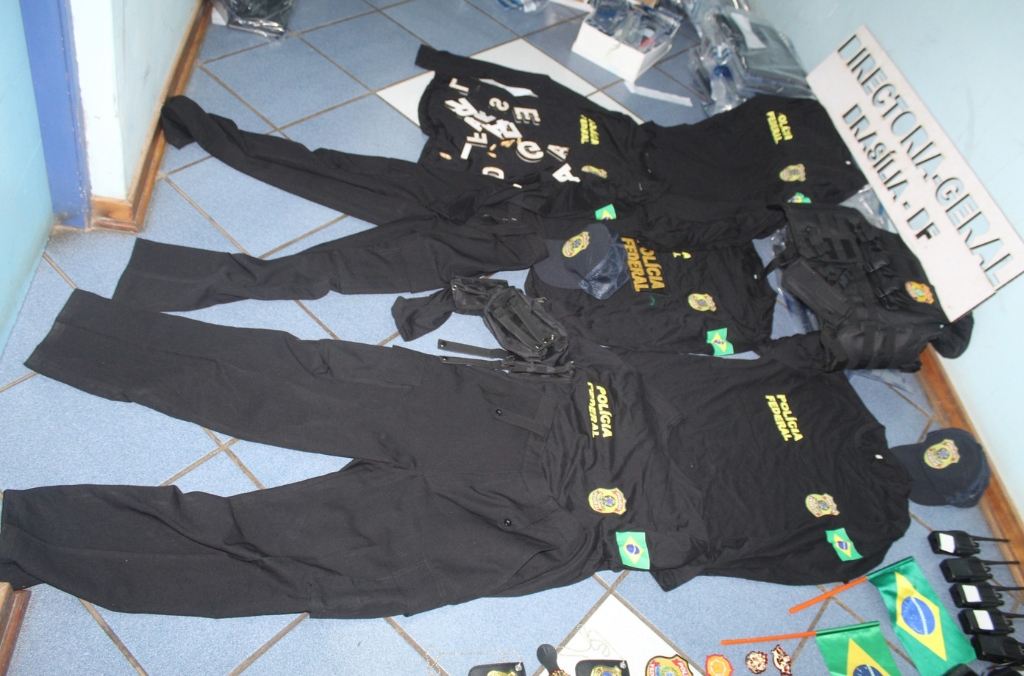
In Eswatini, police arrested 82 people and dismantled a network running illegal online gambling, money laundering and elaborate impersonation scams. Among the items seized was a startlingly realistic replica of a Brazilian police station — complete with fake uniforms, signage and equipment — apparently built to intimidate and deceive victims. In Thailand, two arrests exposed a laundering operation that funneled proceeds from romance scams through cross-chain cryptocurrency swaps to obscure the trail; investigators found that the digital wallet of one suspect, just 20 years old, had processed more than $122.5 million in only 10 months.
Elsewhere, authorities in Palau deported 22 people after shutting down two scam centers operating out of hotels and running fraud schemes with cryptocurrency and illegal gambling platforms aimed at victims abroad. In Sri Lanka, hundreds of suspects were rounded up for their roles in cyber-scam compounds. Together the raids offered a rare, granular look at how transnational fraud has metastasized into a professionalized, borderless enterprise.
INTERPOL officials framed the results as both a victory and a warning. The seizures and arrests, they said, represent only a fraction of an underground economy that has grown into one of the world's most lucrative criminal enterprises, powered by cheap technology, cryptocurrency and armies of coerced or complicit workers. Sustained international cooperation, they argued, is the only way to keep pace with networks that reconstitute almost as fast as they are dismantled.