Trump-Backed Challengers Topple Five Indiana State Senators Who Bucked His Redistricting Push
Outside groups aligned with the president spent more than $8.3 million in tiny state-legislative primaries, clearing the way for Gov. Mike Braun to redraw Indiana's congressional map next month.
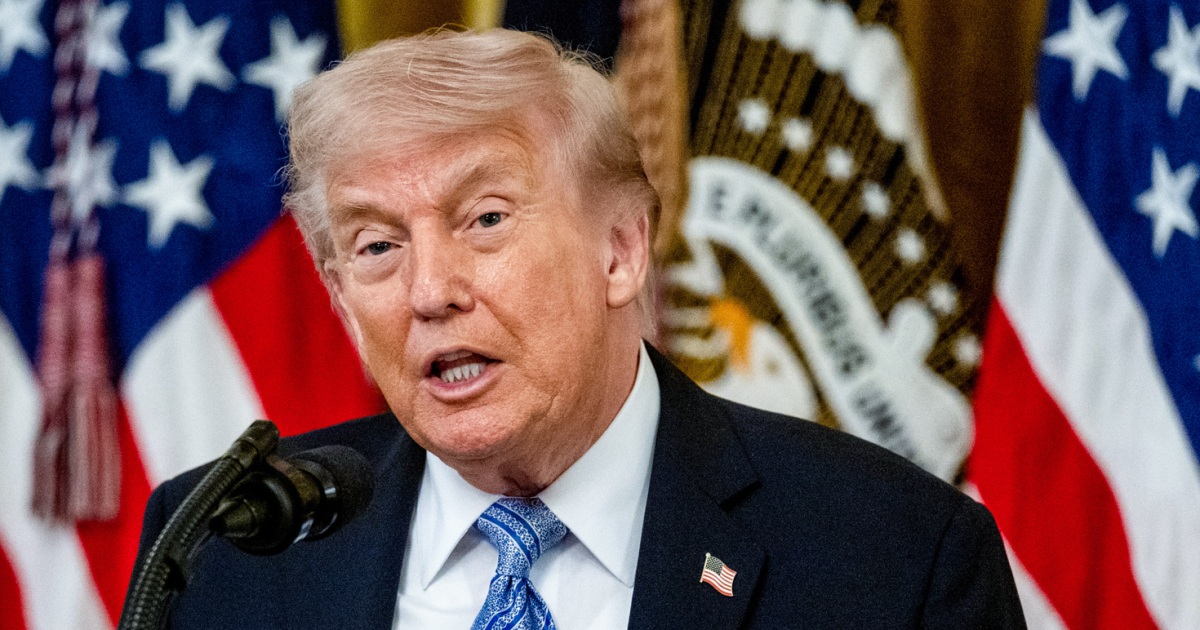
INDIANAPOLIS — President Donald Trump's bare-knuckle intervention in Indiana's Tuesday primary delivered the most decisive demonstration to date of his grip on the Republican base, with five of the seven Trump-endorsed challengers ousting incumbent state senators who had defied the president on his demand for a redrawn congressional map. The outcome — confirmed by the Associated Press late Wednesday — extends Trump's already extraordinary record of midterm primary success and clears the path for a redistricting fight that could help cement Republican control of the U.S. House.
The seven targeted senators all represented districts that Trump carried by 20 percentage points or more in 2024, but each had voted against, or signaled opposition to, a special-session push by Gov. Mike Braun to redraw Indiana's congressional lines this summer at the president's urging. Outside groups aligned with Trump — chiefly MAGA Inc. and the Senate Leadership Fund's state-level affiliate — spent more than $8.3 million on advertising in the small-dollar primaries, an amount one Indiana operative likened to "dropping a presidential campaign budget into a state legislative race."
Four of the deposed senators had been first elected before Trump's 2016 campaign and were widely seen as institutional Republicans of the Mitch Daniels and Eric Holcomb mold. Sen. Vaneta Becker of Evansville, the chamber's longest-serving Republican woman, lost by 14 points to Trump-endorsed challenger Kyle Roser, an Air Force veteran. Sen. Mike Bohacek of Michiana Shores fell to Lake Michigan-area trucking executive Tony Riese. The two incumbents who survived — Sens. Liz Brown of Fort Wayne and Spencer Deery of West Lafayette — had quietly signaled in recent weeks that they were open to Trump's redistricting demand, a posture that allies say spared them the full force of MAGA Inc.'s ad campaign. The seventh race, in suburban Hamilton County, remained too close to call Friday afternoon, with the Trump-endorsed challenger trailing by 92 votes.
"Historic night for Indiana as Republicans stood with me and President Trump to nominate some great America First conservatives," Braun, a first-term governor and former U.S. senator, posted on X early Wednesday. He has scheduled a special session of the Indiana General Assembly for June 9 to take up a new congressional map that Republican operatives say could shift two Democratic-leaning seats — Indiana's 1st and 7th — into the GOP column ahead of the 2026 midterms. Texas, Missouri and Florida have launched parallel mid-decade redistricting efforts at Trump's urging.
The night was not all good news for Republicans. In Michigan, Democrat Chedrick Greene won a special election for the 35th state Senate district by roughly 1.6 points — a seat Vice President Kamala Harris carried by less than a percentage point in 2024 — preserving the Democrats' 20-19 majority in the chamber and preventing a tied legislature. National Democrats hailed the result as evidence of a building backlash. "If you're a swing-district Republican looking at this map, you ought to be worried," Democratic National Committee Chair Ken Martin said in a statement Wednesday morning.
In Ohio, former Sen. Sherrod Brown coasted to the Democratic nomination for the special election to fill the remaining two years of now-Vice President JD Vance's old Senate seat. Brown will face Republican Sen. Jon Husted, who was appointed to the seat in January and won his primary unopposed. Republican Vivek Ramaswamy, the biotech entrepreneur turned MAGA loyalist, won the Ohio gubernatorial primary decisively over Lt. Gov. Jim Tressel and will face Democrat Amy Acton, the state's former public health director, in November.