India's Robot Astronaut Vyommitra Is Heading to Orbit — Here's What's at Stake
ISRO's Gaganyaan-1 mission will test whether India can become the world's fourth nation to independently launch humans to space, with a half-humanoid robot making the maiden voyage.

India is preparing to launch its first crewed-rated spacecraft into orbit with a robotic astronaut at the controls, a milestone mission that will determine whether the country can join the United States, Russia, and China as the only nations to have independently sent humans to space. The mission, known as Gaganyaan-1, is targeted for launch from Sriharikota Island off India's southeastern coast and will carry a half-humanoid female robot named Vyommitra into low Earth orbit for a full-day mission before splashing down in the Bay of Bengal.
Vyommitra — a name that translates roughly as 'friend to astronauts' in Sanskrit — was developed entirely by the Indian Space Research Organisation to simulate the functions a human crew member would perform inside the Gaganyaan capsule. The robot monitors cabin temperature, pressure, and atmospheric composition; operates life support systems; and transmits continuous telemetry to mission controllers in Bengaluru. Unlike many research robots, Vyommitra can speak in Hindi and English, respond to questions, recognize faces, and acknowledge crew members — capabilities that make it useful for testing human-machine interfaces inside the capsule. The robot has no legs and cannot walk, but it can operate switches and controls from its seat in the crew compartment.
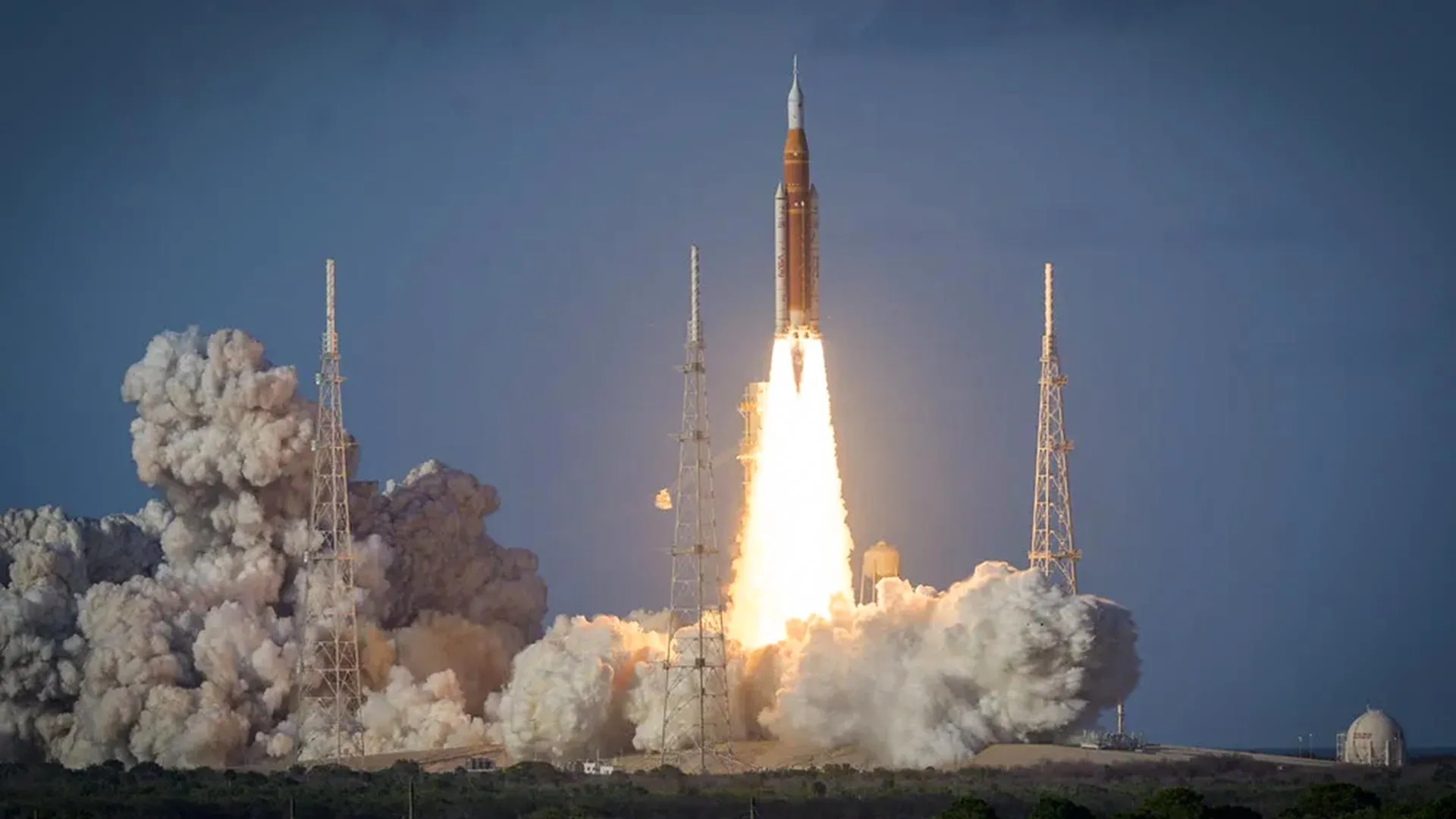
The rocket carrying Vyommitra is the human-rated LVM3, the most powerful launch vehicle in India's fleet. The LVM3 has previously launched India's Chandrayaan-3 lunar mission and commercial satellites, but for Gaganyaan-1 it has undergone extensive modifications including a crew escape system designed to pull the capsule away from the booster in the event of a launch failure. The escape system alone required years of testing. ISRO chairman S. Somanath said in February that mission preparations were approximately 90 percent complete, and the launch team had entered final readiness checks. The spacecraft will reach an orbit ranging from 170 to 408 kilometers above Earth and return after approximately 16 hours, splashing down for recovery by Indian Navy vessels.
If Gaganyaan-1 succeeds, ISRO plans a second uncrewed mission — Gaganyaan-2 — followed by the first crewed flight, Gaganyaan-3, carrying three Indian astronauts known as Gaganauts: Group Captain Prashanth Balakrishnan Nair, Group Captain Ajit Krishnan, Group Captain Angad Pratap, and Wing Commander Shubhanshu Shukla, who trained for years in Russia and at ISRO facilities in India. The crewed mission is targeted for 2027. Prime Minister Narendra Modi has personally met with the Gaganauts and described the program as a matter of national pride. Shukla is separately preparing for a separate mission to the International Space Station on a NASA Axiom flight as early as April 2026.
India's broader space ambitions extend well beyond Gaganyaan. ISRO is developing a domestic space station called the Bharatiya Antariksha Station, with initial assembly targeted for 2028. The country is in discussions with Japan on a joint lunar mission and with NASA on possible Lunar Gateway collaboration. The Gaganyaan-1 launch comes at a time of intense global space competition: China has just launched its new Qingzhou cargo spacecraft to the Tiangong station, and SpaceX continues to dominate commercial launch globally. For India — which conducted its first lunar landing and first solar observation mission in 2023 — a successful Gaganyaan mission would signal a decisive step into the front rank of spacefaring nations after seven decades of civilian space development.