House Rejects Iran War Powers Resolution 214-213 — Massie the Lone GOP Dissenter
The near-party-line vote blocked the fourth congressional attempt to limit Trump war authority. Rep. Thomas Massie was the sole Republican to cross the aisle and support the measure.

The House of Representatives voted 214 to 213 on Friday to reject a war powers resolution that would have formally limited President Donald Trump's authority to continue military operations against Iran, delivering a narrow but significant win for the administration in its efforts to prosecute the conflict without congressional restraint. The vote fell almost entirely along party lines, with a single Republican — Kentucky's Thomas Massie — voting in favor of the resolution, and a single Democrat — Maine's Jared Golden — crossing the aisle to vote against it, providing the decisive margin that determined the outcome.
The resolution, introduced under the War Powers Resolution of 1973, would have required the administration to cease or wind down combat operations against Iran within 30 days unless Congress passed a formal authorization for the use of military force. Backers argued that the Iran war — which began February 28 with coordinated U.S. and Israeli strikes — was launched without the constitutional authority that only Congress can provide. "This is the most fundamental question in our system of government," said Representative Barbara Lee of California, one of the resolution's principal sponsors. "No president has the unilateral right to take this country to war."
The vote came on the same day that a parallel procedural vote in the Senate also failed, with Senate Republicans blocking the measure for the fourth time since the conflict began. The Senate votes have repeatedly fallen victim to filibuster, with Democrats unable to reach the 60-vote threshold needed to advance debate. Senate Minority Leader Chuck Schumer called the pattern "a historic abdication" by Republican senators of their constitutional role. Senate Armed Services Committee Ranking Member Jack Reed said it was "inconceivable" that the chamber had effectively handed the executive branch a blank check for open-ended warfare.
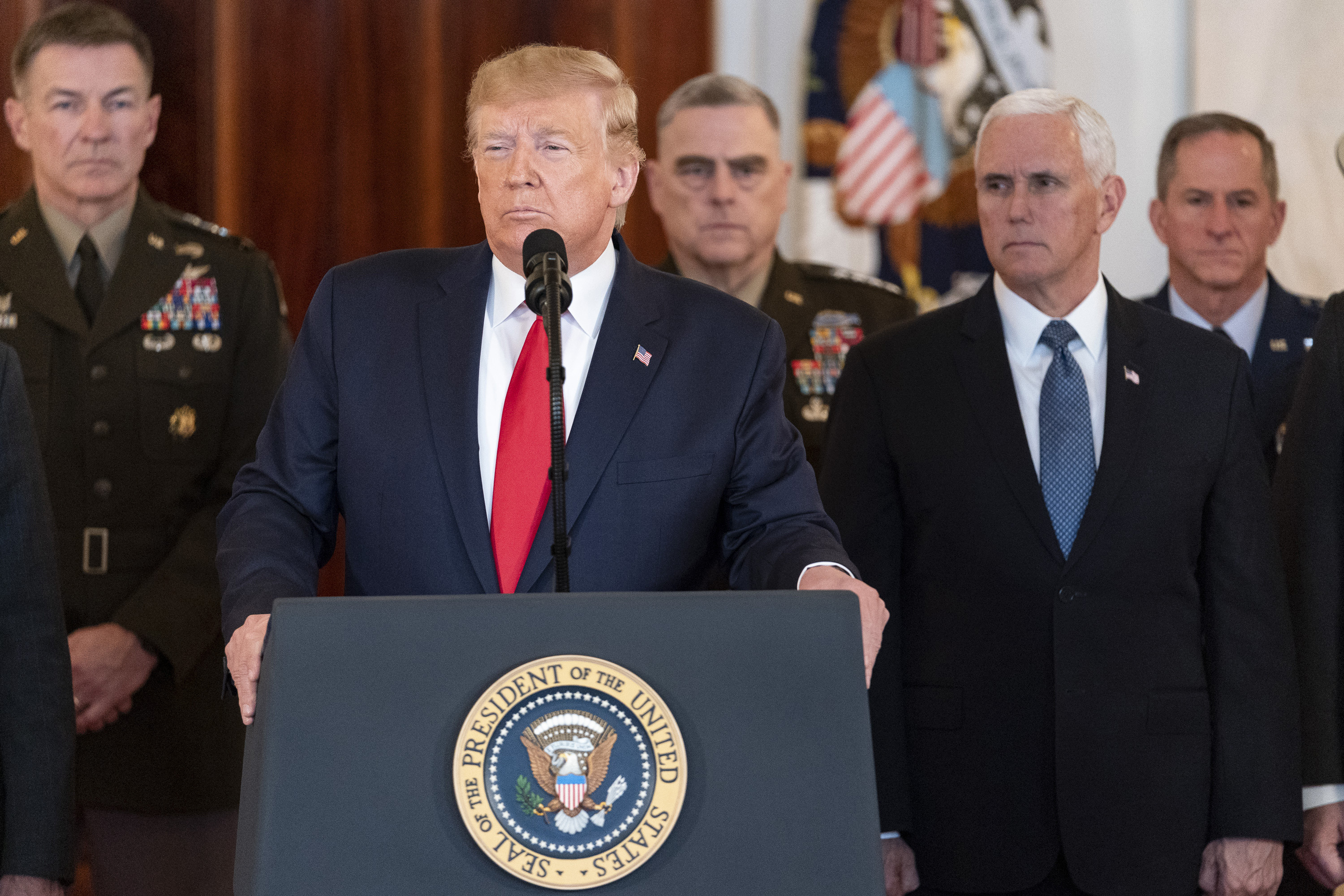
The White House had lobbied heavily against the resolution. Press Secretary Karoline Leavitt issued a statement calling it "a dangerous and irresponsible attempt to embolden Iran" and arguing that any constraints on presidential war authority would undermine U.S. credibility at a moment when negotiations with Tehran are at a critical juncture. National Security Adviser Mike Waltz testified before the House Armed Services Committee earlier this week that the administration believes existing authorizations for the use of military force, combined with the President's Article II commander-in-chief powers, provide sufficient legal basis for the current operations.
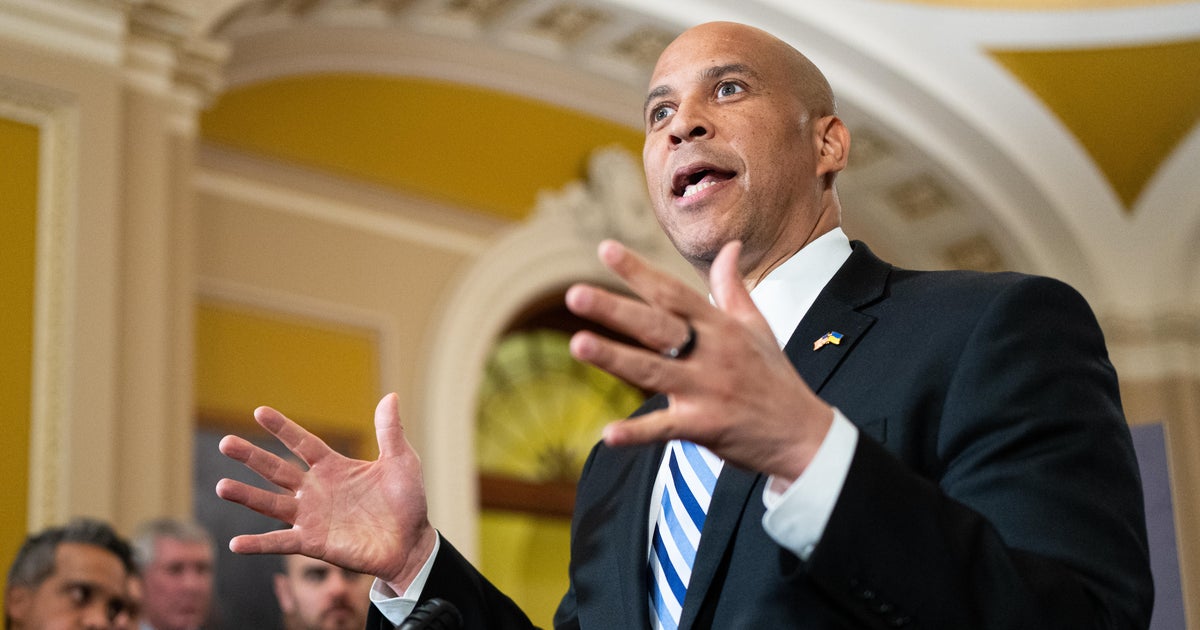
Representative Thomas Massie's vote against his party made him an outlier in the House Republican caucus and drew immediate criticism from GOP leadership. Speaker Mike Johnson called Massie's position "counterproductive" and said it "sends the wrong signal at the wrong time." Massie has long held non-interventionist foreign policy views and voted against military action in other conflicts during his tenure. He argued on the House floor that the Constitution is unambiguous: "Only Congress declares war. That's not a technicality. That's the law."
The outcome reflects the broader political dynamics around the Iran war, which has maintained majority public approval in polling despite the economic toll of rising energy prices and the human costs of the conflict. Republican members who privately express reservations about the war's scope or duration have generally been unwilling to cross the administration publicly, calculating that opposition carries more political risk than support. Legal scholars and constitutional historians have continued to press the case that the absence of a formal congressional authorization represents an unprecedented and legally fragile foundation for a major armed conflict.