House Democrat Faces Prison Time in Unprecedented Test of Congressional Power
Representative LaMonica McIver battles crushing legal fees while challenging Justice Department assault case, citing legislative immunity privileges.
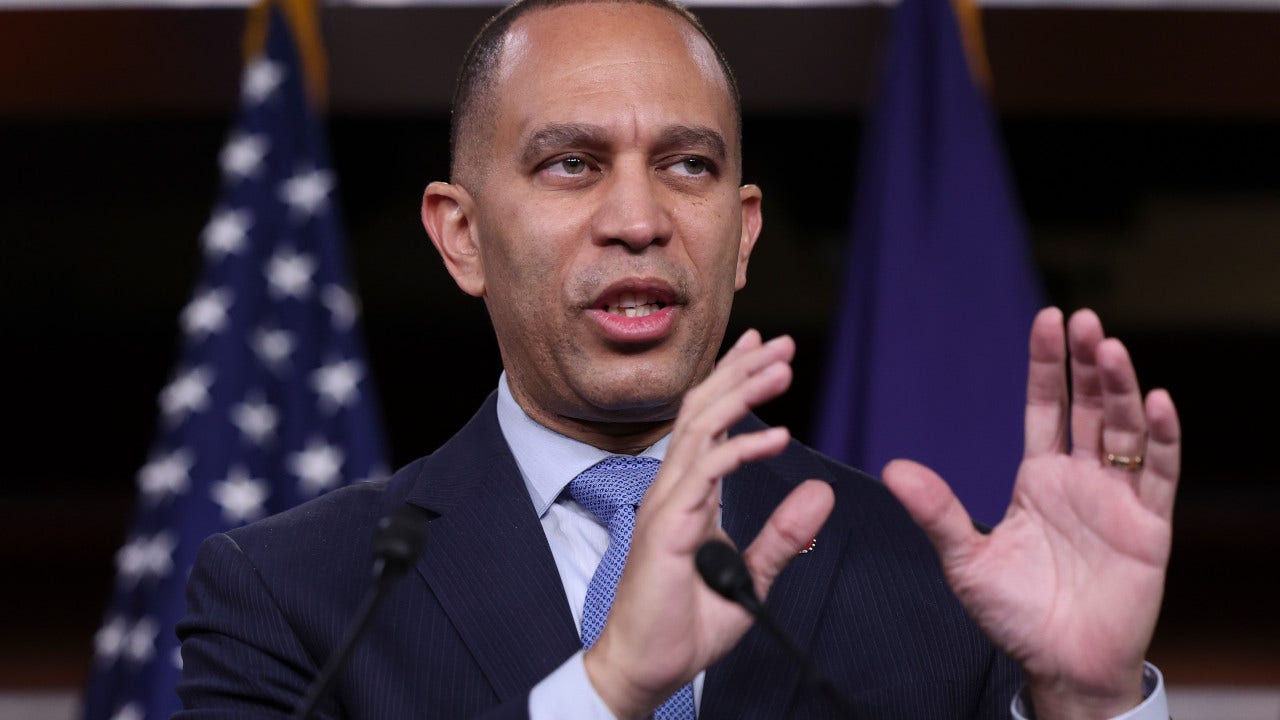
Representative LaMonica McIver is waging a lonely and costly legal battle that could fundamentally reshape the boundaries of congressional power, as she seeks to dismiss a Justice Department assault case against her by invoking legislative prerogatives rarely tested in modern courts. The New Jersey Democrat faces both crushing legal expenses and the possibility of prison time as her case becomes a landmark test of how far congressional immunity extends in protecting lawmakers from criminal prosecution.
McIver's legal challenge centers on the Speech or Debate Clause of the Constitution, which provides members of Congress with broad immunity for legislative activities. Her attorneys argue that the assault charges stem from actions taken in her official capacity as a representative, making the prosecution an unconstitutional interference with congressional duties. The case has attracted minimal public attention despite its potentially far-reaching implications for the separation of powers between the legislative and executive branches.
The financial burden of mounting this constitutional challenge has proven enormous for McIver, who must fund her defense against the full resources of the federal government. Legal experts note that few members of Congress have the personal resources to sustain such an extended fight, which may explain why similar challenges to executive power are rare. The case highlights the practical limitations that individual lawmakers face when confronting the Justice Department, regardless of the constitutional principles at stake.
Legal scholars are closely watching the proceedings, as the outcome could establish important precedents for congressional immunity in an era of increasing political polarization. If McIver's challenge succeeds, it could broaden protections for lawmakers facing federal prosecution, potentially emboldening more aggressive legislative behavior. Conversely, a defeat could signal that congressional immunity has narrower boundaries than previously understood, giving prosecutors greater latitude in pursuing cases against sitting representatives.
The timing of McIver's case is particularly significant given broader tensions between Congress and the Trump administration's Justice Department. Her solitary fight reflects the broader challenges facing individual legislators who find themselves at odds with federal law enforcement agencies, especially when their colleagues are reluctant to provide institutional support for constitutional challenges that could be seen as politically controversial.