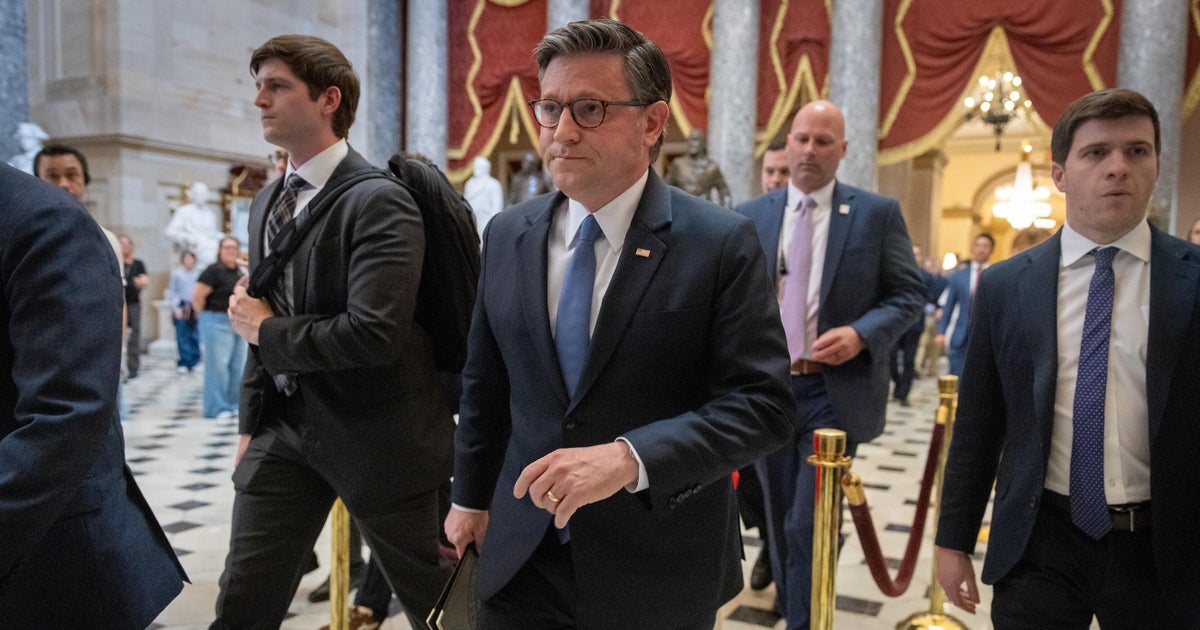
GOP Leaders Unveil Two-Track Plan to End Record 47-Day DHS Shutdown as TSA Workers Go Unpaid
Senate Majority Leader Thune and Speaker Johnson announced a deal to separately fund DHS and ICE — with Trump backing the framework and demanding border agency funding by June 1.
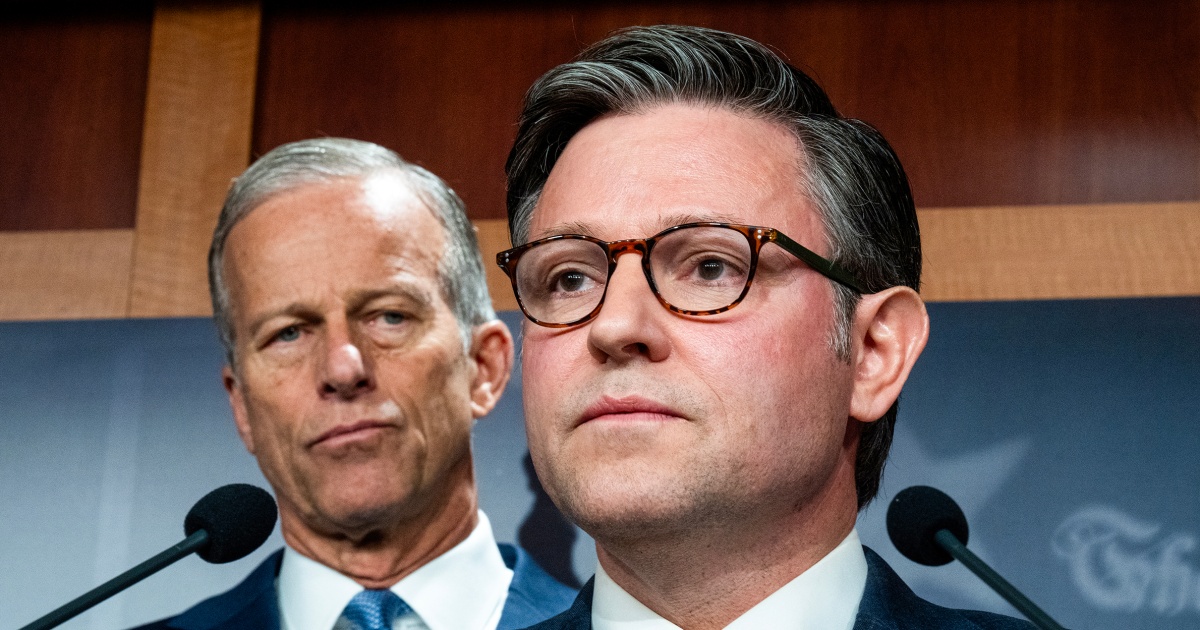
Republican congressional leaders unveiled a two-track plan on April 1, 2026 to end the 47-day Department of Homeland Security shutdown — the longest partial government shutdown in American history — a crisis that has left TSA workers laboring without pay and caused mounting delays at airports across the country. Senate Majority Leader John Thune of South Dakota and House Speaker Mike Johnson of Louisiana announced the framework after weeks of failed negotiations, and President Trump endorsed the approach on Truth Social.
The shutdown began in mid-February 2026 when Democratic senators refused to advance DHS funding legislation, citing concerns about the agency's immigration enforcement practices under the current administration. With TSA officers, Border Patrol agents, and Coast Guard personnel all working without paychecks, travelers have faced increasingly chaotic conditions at major airports. Several TSA officers reported calling out sick in protest, forcing airlines to delay flights while security checkpoint lines stretched for hours at hubs including Atlanta, Chicago O'Hare, and Los Angeles International.
The two-track deal works around Democratic opposition by separating the funding for different components of DHS. Track one would fund all of DHS — including the TSA, Secret Service, FEMA, Coast Guard, and Cybersecurity and Infrastructure Security Agency — except for Immigration and Customs Enforcement and U.S. Border Patrol, through September 30, 2026. This portion requires bipartisan support to clear a 60-vote threshold in the Senate, meaning Republicans need at least a handful of Democratic votes to advance it. Track two would fund ICE and Border Patrol separately through the party-line reconciliation process, which requires only a simple majority and no Democratic cooperation.
Trump made clear in his Truth Social post that he expects the ICE and Border Patrol funding bill to reach his desk by June 1. "We need to fund our brave border warriors and get this done NOW," he wrote, signaling urgency. The bipartisan funding for the rest of DHS is less politically charged and was expected to pass more smoothly, though House conservatives have previously resisted any deal that separates immigration enforcement funding from broader DHS appropriations.
The Senate advanced the framework on April 2, but the House vote remained pending as Republican leaders worked to corral members of their narrow majority. House conservatives had rejected an earlier Senate proposal in late March, arguing that any deal must fully fund border enforcement in a single bill. Johnson spent April 2 in closed-door meetings with holdouts, seeking to reassure them that the reconciliation track would deliver full immigration funding within weeks.
For the roughly 65,000 DHS employees who have been working without pay, the deal's passage cannot come soon enough. Federal law requires these employees to continue working during funding lapses but prohibits paying them until appropriations are enacted. Many workers have reported drawing down savings, taking out loans, and skipping bill payments to get through the shutdown. TSA Administrator Mike Flynn told reporters this week that morale was "at an all-time low" among the agency's workforce.
Analysts noted that the two-track structure, while politically creative, also sets up a significant fight over ICE and Border Patrol funding within the reconciliation package, where the administration will likely push for substantial increases in detention capacity and enforcement operations. Democrats, excluded from that track entirely, are expected to mount legal challenges and messaging campaigns arguing the approach bypasses constitutional norms. For now, however, the immediate concern is ending a shutdown that has stretched public patience and strained the federal workforce beyond any previous precedent.