Senate GOP Slips $1 Billion for Trump Ballroom Security Into Reconciliation Bill
Republicans say the money is strictly for blast walls and Secret Service infrastructure, but Democrats call the carve-out a bait-and-switch on a project Trump promised would not cost taxpayers a single dime.
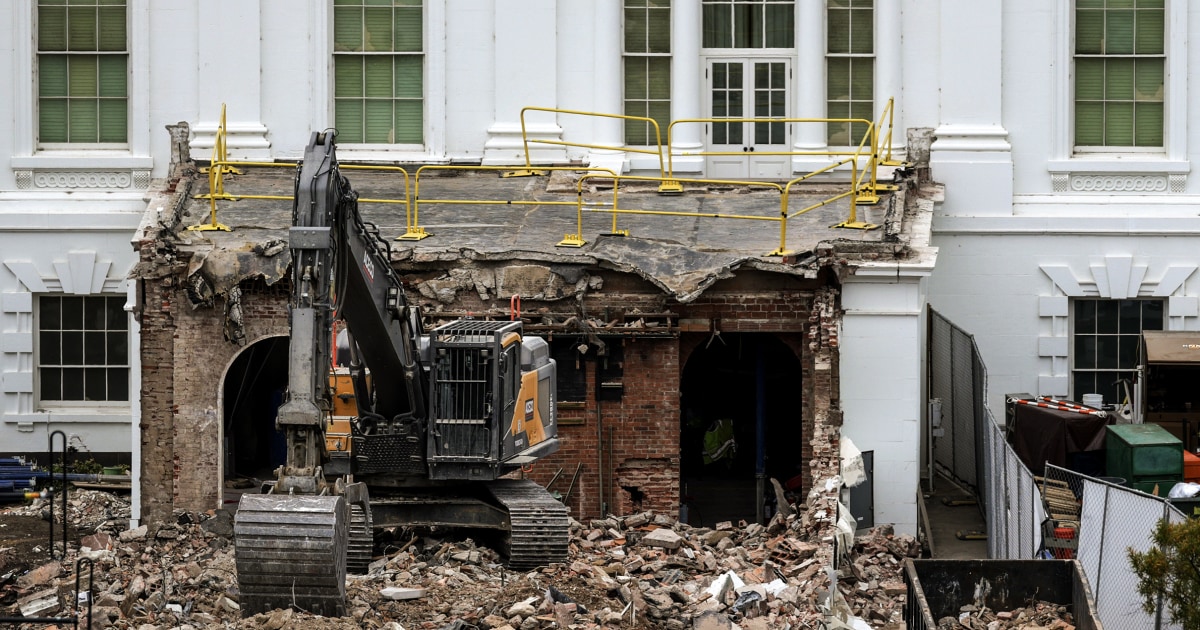
Senate Republicans tucked $1 billion in taxpayer funding for security infrastructure tied to President Donald Trump's planned White House ballroom into the party's filibuster-proof reconciliation bill, igniting a dispute over whether the money amounts to a federal subsidy for a project the president has repeatedly insisted would be financed entirely by private donors. The funding is buried inside a $71.8 billion immigration enforcement and border security package that Senate Majority Leader John Thune hopes to pass this month.
The relevant section, which runs through fiscal 2029, directs $1 billion to the U.S. Secret Service, an arm of the Department of Homeland Security, for "security infrastructure related to the East Wing modernization project, including the construction of an attached events facility." Republican drafters say the language is restricted to security elements such as blast walls, hardened glazing, vehicle barriers and updated communications systems, and that no funds may be used for "non-security elements" of the project. Democrats say the carve-out is so broad in practice that it effectively underwrites the ballroom itself, since virtually every load-bearing wall, foundation footing and underground utility doubles as a security feature.
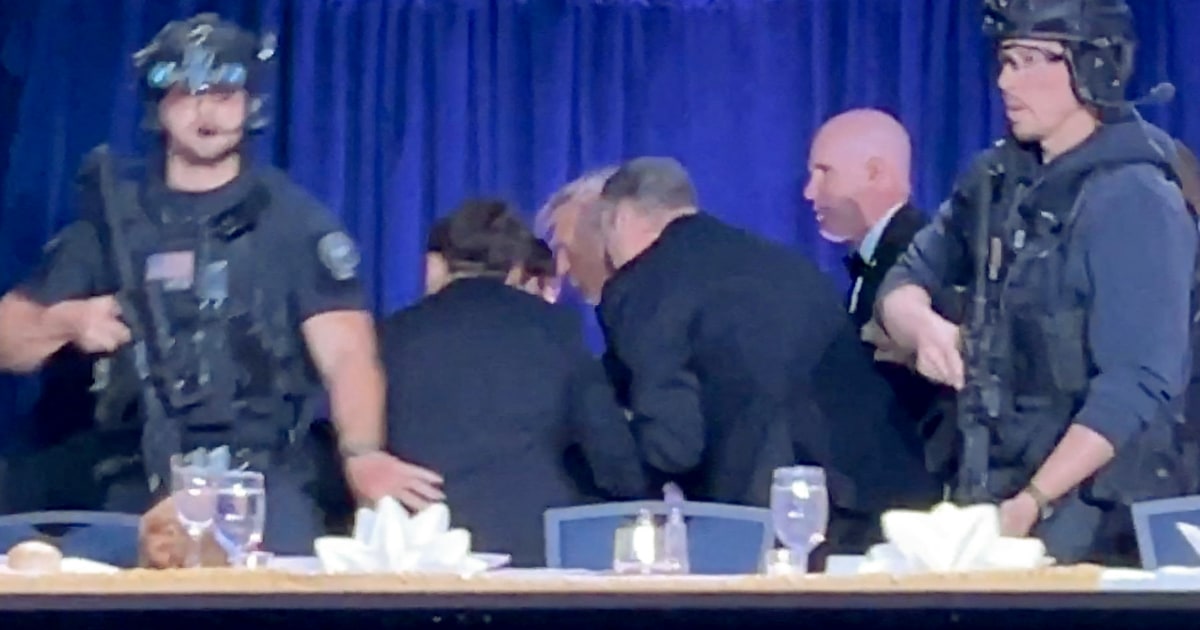
Trump first announced last year that he would build a 90,000-square-foot ballroom and event space attached to the East Wing of the White House, modeled on the gold-and-crystal ballroom at his Mar-a-Lago estate, and assured the public it would not cost taxpayers "a single dime." The president said construction would be funded by private donors, with several large contributions disclosed publicly. The Secret Service raised security concerns following the November 2025 shooting at the White House Correspondents' Dinner, and administration officials say those concerns are what triggered the new appropriation. The bill text, however, allows the funds to flow to the broader project so long as the Secret Service certifies that any given expense advances security.
Senator Richard Blumenthal of Connecticut, the Democratic point person on the issue, called the maneuver "a bait and switch." Speaking to NBC News on Tuesday, Blumenthal said: "Promising it would be privately funded and now, apparently, taxpayers will be on the hook for it. That is the very definition of a broken promise." Senate Minority Leader Chuck Schumer pledged to force a vote to strip the provision when the bill comes to the floor, possibly as soon as next week. Democrats said they would also seek a vote requiring an inspector-general audit of how the funds are spent.
Senate Republicans are not uniformly comfortable with the language. Senators Susan Collins of Maine, Lisa Murkowski of Alaska and Rand Paul of Kentucky all told reporters Wednesday that they wanted clarification on what "security" includes. Senator Paul, who frequently tangles with Trump over spending, said he had "a hard time seeing how a ballroom is national security." Thune brushed off the criticism, telling reporters: "Every White House gets security upgrades. This White House is no exception, and given recent threats it would be irresponsible not to act."
The broader reconciliation package allocates $46.5 billion to U.S. Customs and Border Protection for additional Border Patrol agents, surveillance towers and barrier construction, $22.6 billion to U.S. Immigration and Customs Enforcement for detention beds and removal operations, and roughly $2 billion for immigration courts and asylum processing. Trump told reporters at the White House on Wednesday that he had not asked Congress for the ballroom money but was "very grateful" for it. The bill is expected to come up for a procedural vote in the Senate next week and would then go to the House for a final vote before reaching the president's desk.