Intel Chiefs Gabbard, Patel and Ratcliffe Refuse to Confirm Iran Was 'Imminent Threat' in Explosive Senate Hearing
For the first time since the war began, top U.S. intelligence officials faced Congress — and declined to back the administration's core rationale for striking Iran, as the resignation of a key counterterrorism official cast a shadow over two days of testimony.
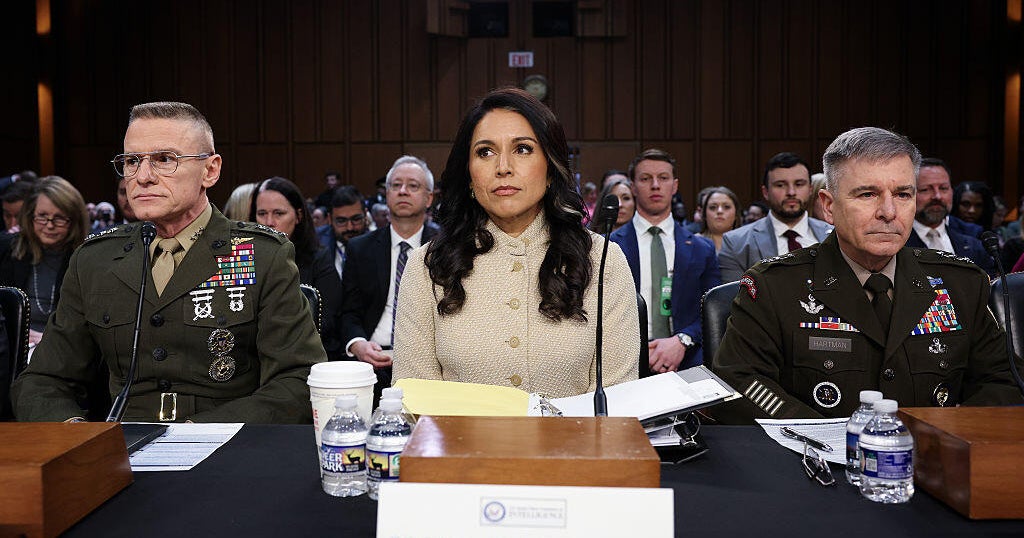
Intelligence chiefs Tulsi Gabbard, Kash Patel, and John Ratcliffe faced blistering bipartisan questioning on Capitol Hill this week as they testified before Congress for the first time since the United States and Israel launched their joint war on Iran nearly three weeks ago. The hearings — held Wednesday before the Senate Intelligence Committee and Thursday before the House Intelligence Committee — quickly became a referendum on whether President Trump's decision to strike Iran was supported by the intelligence community's own assessments. The answer proved deeply uncomfortable for the White House.
The central flashpoint was whether U.S. intelligence showed Iran posed an "imminent threat," the legal and rhetorical justification the administration has offered for initiating offensive military action without congressional authorization. When pressed by Sen. Jon Ossoff, a Democrat from Georgia, on whether the intelligence community had made such an assessment, Director of National Intelligence Tulsi Gabbard declined to answer directly. "The only person who can determine what is and is not an imminent threat is the president," she told the committee — a response that drew visible frustration from lawmakers on both sides of the aisle. CIA Director John Ratcliffe took a harder line, saying he believed Iran "has been a constant threat to the United States for an extended period of time," but he too stopped short of affirming that an imminent nuclear threat existed at the moment the strikes began.
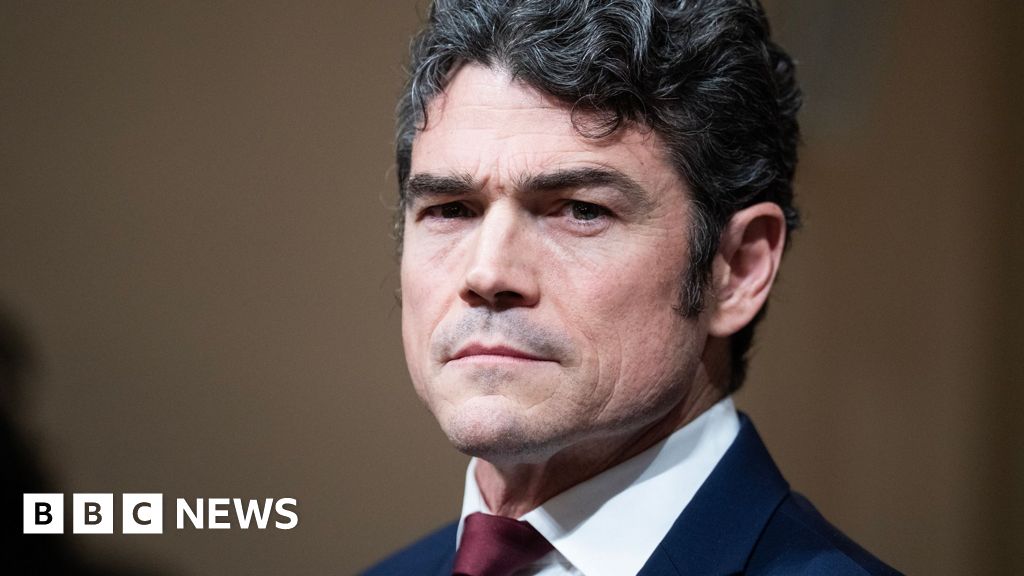
The hearings were shadowed by the high-profile resignation of Joe Kent, director of the National Counterterrorism Center, who stepped down earlier this week, publicly stating he could not support the war and did not believe Iran posed an imminent nuclear threat. In his resignation letter, Kent wrote that he was "deeply troubled" by the way intelligence was being used to justify the conflict and accused Israel of deceiving Trump into launching the war. Gabbard, asked about Kent's departure during the House hearing Thursday, said she was concerned about his public statements but affirmed the president's sole authority to make national security decisions. The resignation has become a rallying point for critics who argue the administration launched the war on false pretenses.
Gabbard's written testimony contained a notable admission: that Iran's nuclear enrichment program was "obliterated" by U.S. and Israeli strikes last year and that "there has been no efforts since then to try to rebuild their enrichment capability." She did not read that passage aloud during her public testimony. When questioned on the omission, she said she had run out of time. Democrats seized on the moment as evidence the administration was selectively presenting intelligence to Congress and the public. Sen. Mark Warner, ranking Democrat on the Senate Intelligence Committee, accused Gabbard of misusing national security powers for domestic political ends, noting her office had dispatched personnel to observe the FBI's search of Fulton County, Georgia's election records offices — the first known instance of a senior intelligence official attending a domestic law enforcement action tied to election issues.
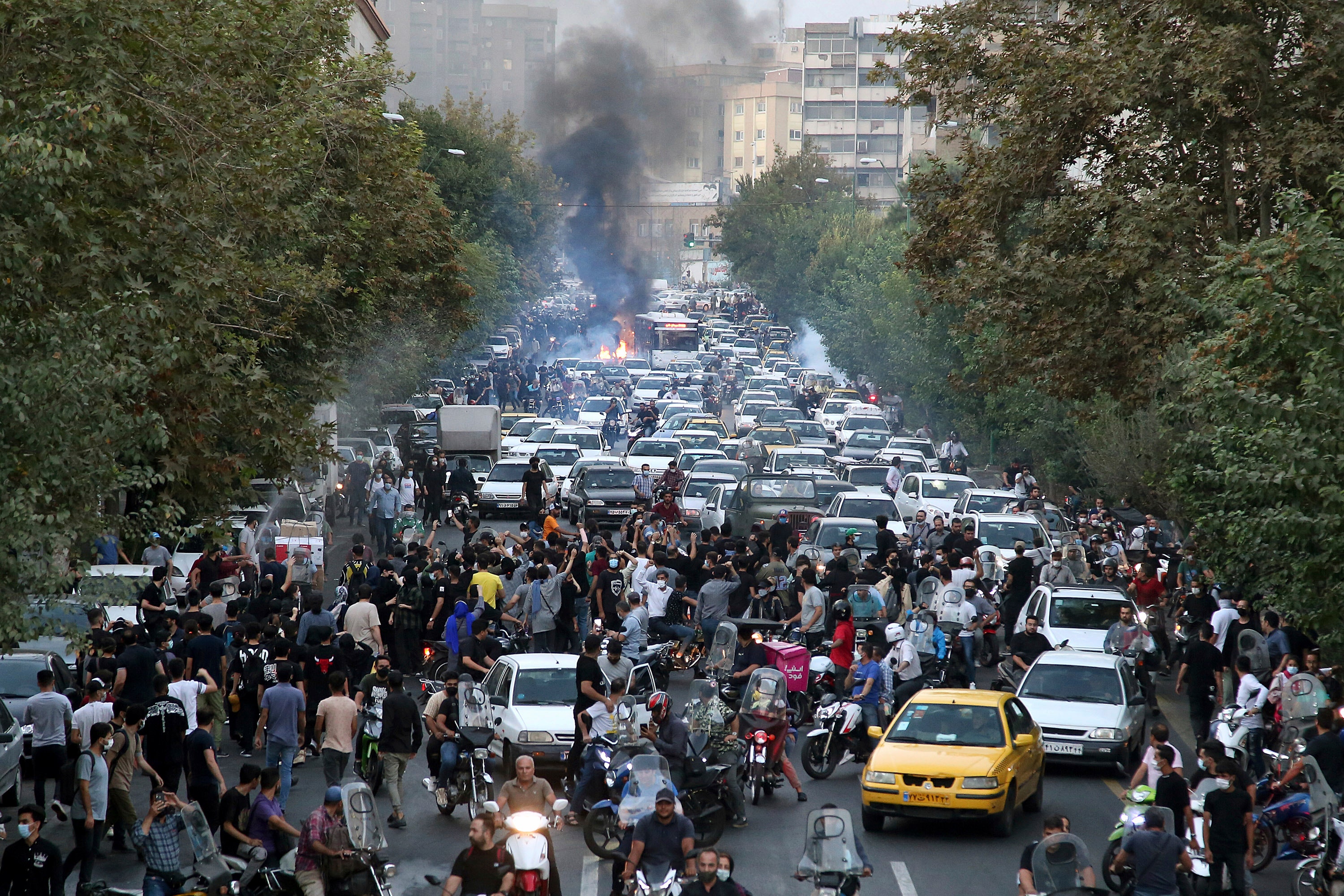
The hearings also surfaced a significant divergence between U.S. and Israeli war objectives that Gabbard herself acknowledged. She told the House Intelligence Committee that Trump's aims differ from Israel's stated goals, with the U.S. focused on destroying Iran's ballistic missile infrastructure while Israel has targeted Iranian leadership figures. The dual-track strategy has complicated diplomatic signals about what conditions might end the conflict. At the strategic level, Gabbard described the Iranian regime as "intact but largely degraded" — still governing but with its conventional military forces significantly weakened by weeks of strikes. With oil prices holding near $118 a barrel, Iranian drone attacks continuing across the Gulf, and the Strait of Hormuz still partially obstructed, lawmakers pressed urgently for clarity on an endgame the administration has yet to define publicly. Senate Intelligence Committee Chairman Tom Cotton defended the war's rationale, arguing the Iranian regime was "finally knocked on its back foot," while Democrats warned that without a clear objective the conflict risked becoming an open-ended military commitment with no defined exit.