17-Million-Year-Old Fossil Ape Found in Egypt May Rewrite the Story of Where Humans Came From
A new species named Masripithecus moghraensis is the closest known relative to the ancestor of all living apes and humans — and its location in northern Africa suggests scientists have been looking in the wrong region for decades.
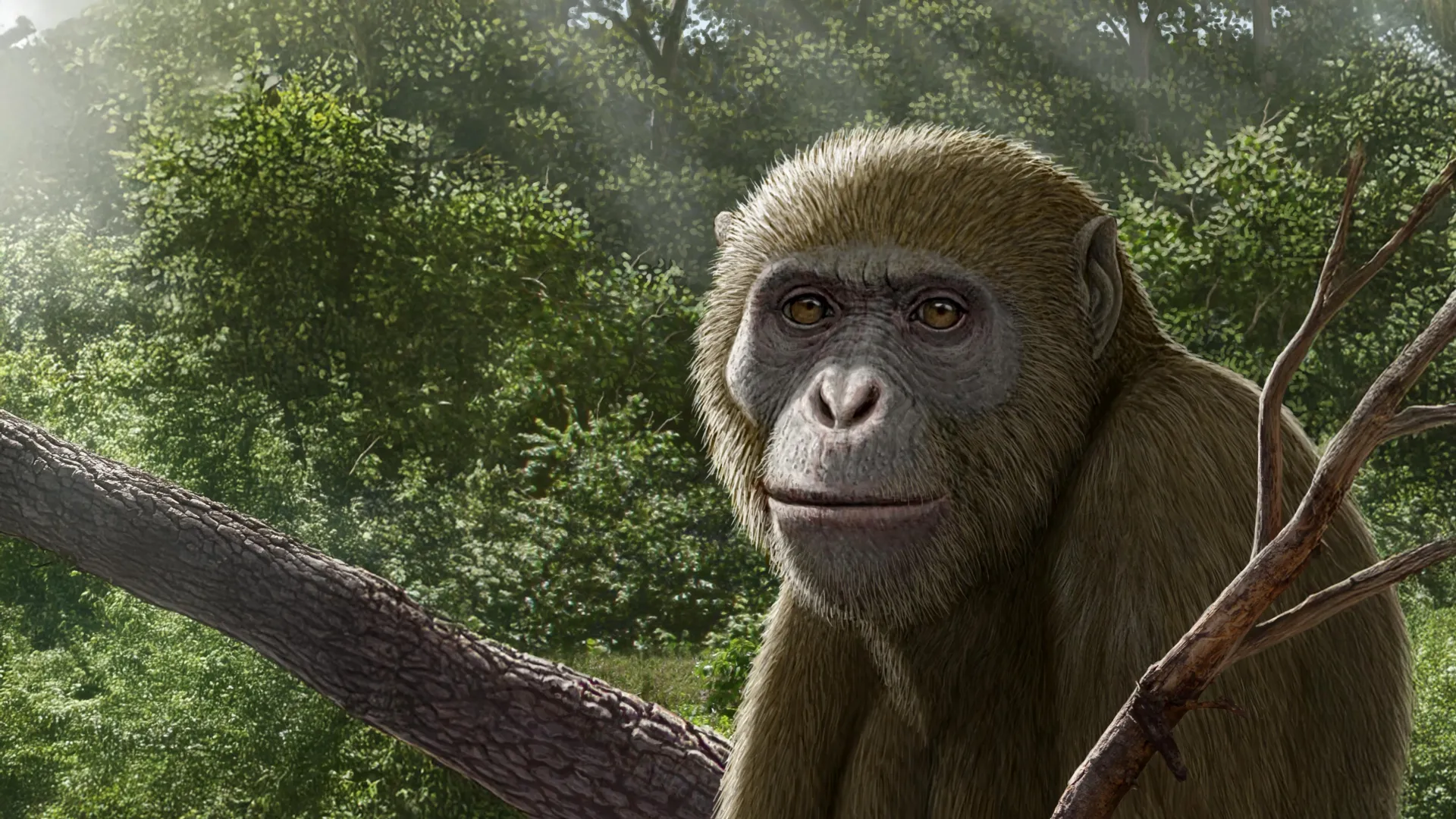
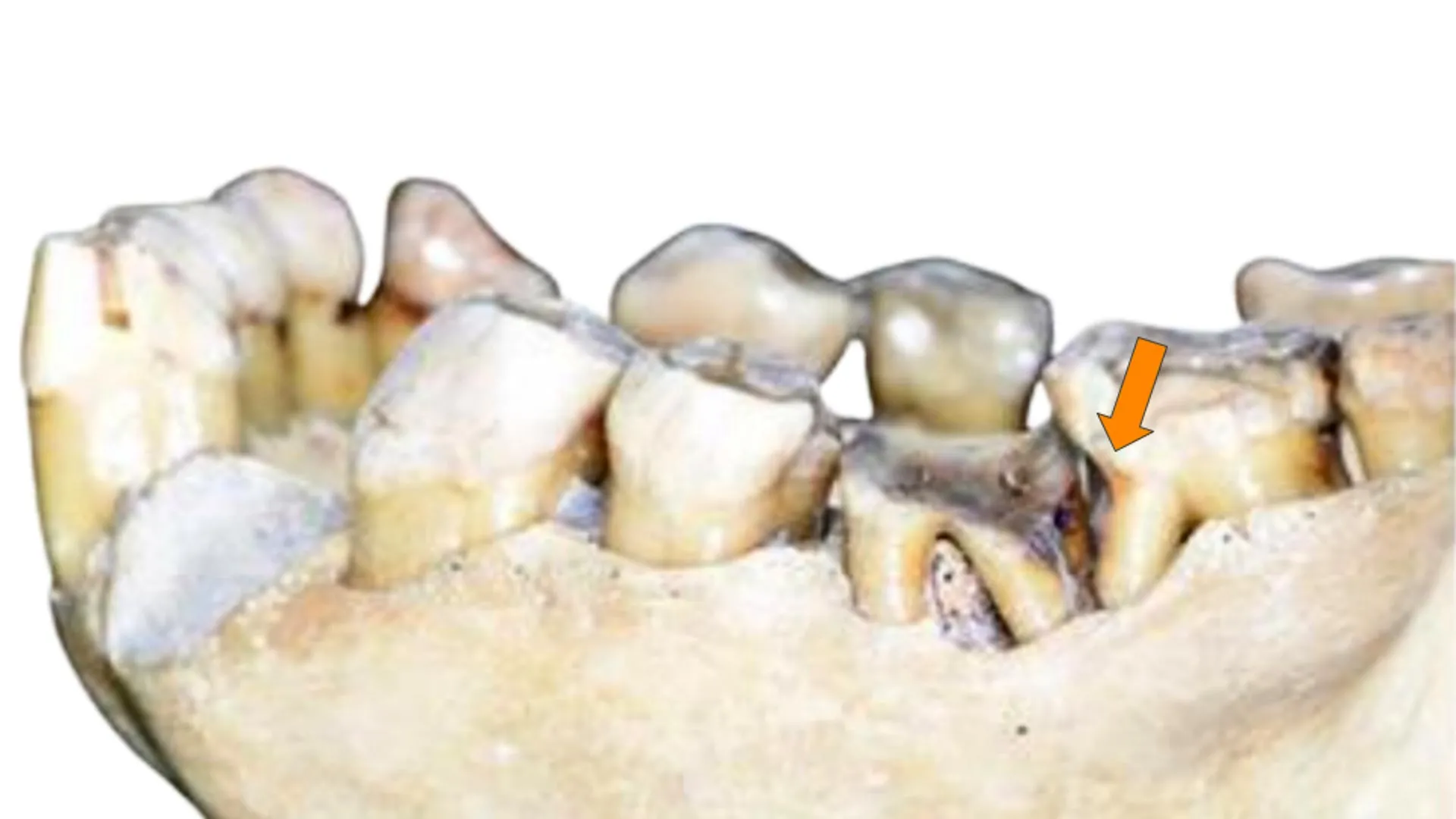
Paleontologists working in Egypt's Wadi Moghra fossil site have described a new species of ancient ape named Masripithecus moghraensis that lived approximately 17 to 18 million years ago, pushing back the estimated origin of the lineage leading to modern apes and humans by several million years and providing new anatomical evidence that the common ancestor of African great apes and humans emerged earlier and in a different geographic context than previously understood. The findings, published in Science on March 27, 2026, are based on a remarkably complete set of dental and jaw fossils recovered from sediments that preserve one of the richest early Miocene mammal assemblages ever found in Africa.
The Wadi Moghra site in the Egyptian Western Desert has been known to paleontologists for decades, but the identification of Masripithecus moghraensis as a distinct species required new analysis using micro-CT scanning to examine internal tooth structure and enamel thickness — features invisible from surface examination that carry crucial information about dietary ecology and evolutionary relationships. The research team, an international collaboration involving Egyptian, American, and European institutions, found that the new species displays a combination of features linking it more closely to the hominoid lineage — the group that includes gibbons, great apes, and humans — than to the more primitive catarrhine primates that dominated African primate communities of the same era.
The significance of the find lies in its age. Most molecular clock estimates, calibrated against the fossil record, have placed the origin of crown hominoids — the last common ancestor of all living apes and humans — somewhere between 14 and 17 million years ago. Masripithecus moghraensis, at 17 to 18 million years, fits at or beyond the early end of that window, suggesting that the evolutionary innovations characteristic of hominoids appeared earlier than the fossil record had previously confirmed. The discovery also reinforces the emerging view that Africa, rather than Eurasia, was the primary theater for early hominoid evolution before apes dispersed into Europe and Asia during the Miocene climatic optimum.
The dental morphology of Masripithecus moghraensis reveals a diet centered on hard and tough food objects, likely including seeds, woody stems, and underground storage organs — a dietary flexibility that researchers believe was critical to the success of early hominoids during a period of significant environmental change in northern Africa. Thick enamel of the kind found in the new species is a defining hominoid trait and represents an adaptation that allowed these primates to exploit food resources unavailable to thinner-enameled monkeys. Understanding when and where this adaptation arose is central to reconstructing the ecological pressures that drove hominoid evolution.
The Wadi Moghra site continues to yield new specimens, and the research team has additional primate material under analysis that may further clarify the diversity of the early Miocene ape community in northeastern Africa. The site's exceptional preservation, resulting from rapid burial in fluvial sediments along an ancient river system, has the potential to document a nearly complete snapshot of African mammal diversity at a pivotal moment in primate evolutionary history — just before the ancestors of modern apes began the geographic expansions that would eventually carry their descendants across Eurasia and, in one lineage, back into Africa as the ancestors of chimpanzees, gorillas, and ultimately humans.