House Moves to Renew Warrantless Surveillance Law Without Reforms — Expiration Is Five Days Away
The Rules Committee cleared an 18-month clean extension of FISA Section 702, rejecting warrant requirements sought by Democrats and some Republicans, as CIA Director Ratcliffe says constitutional protections are operationally incompatible with foreign surveillance.
The House of Representatives moved Tuesday toward a floor vote on an 18-month extension of Section 702 of the Foreign Intelligence Surveillance Act — the controversial surveillance authority that allows intelligence agencies to collect the communications of foreign targets without a warrant, even when those communications involve American citizens — just five days before the law is set to expire.
Section 702, which was first enacted in 2008 as part of the FISA Amendments Act, is scheduled to lapse on April 20 unless Congress acts. The House Rules Committee on Tuesday cleared the way for a floor vote on a clean extension without additional privacy protections or warrant requirements that both progressive Democrats and some libertarian-leaning Republicans have demanded for years. The Trump administration has urged a clean renewal. CIA Director John Ratcliffe opposed warrant requirements emphatically, arguing they would be operationally unworkable. "A warrant won't work," Ratcliffe said. "You have to make decisions very quickly, and sometimes in a matter of hours."
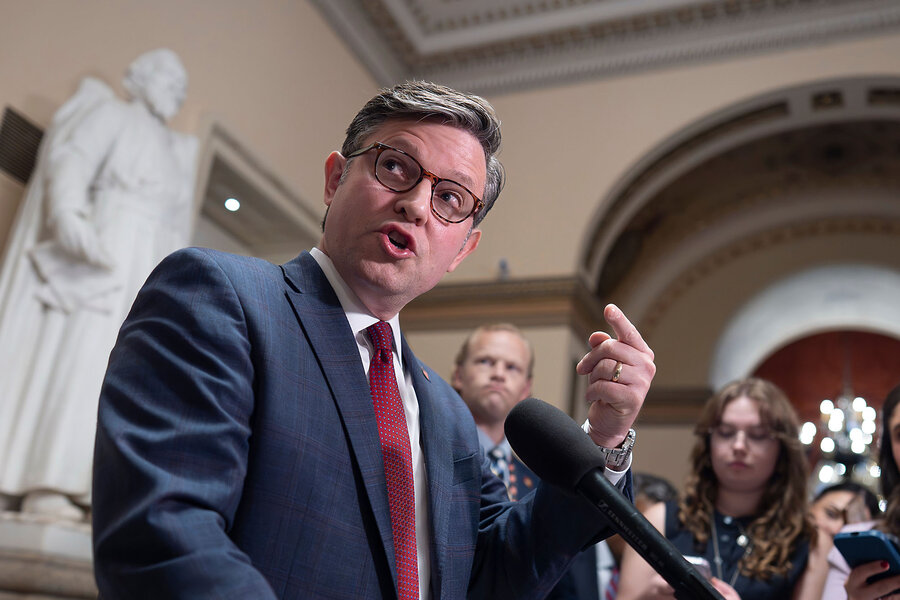
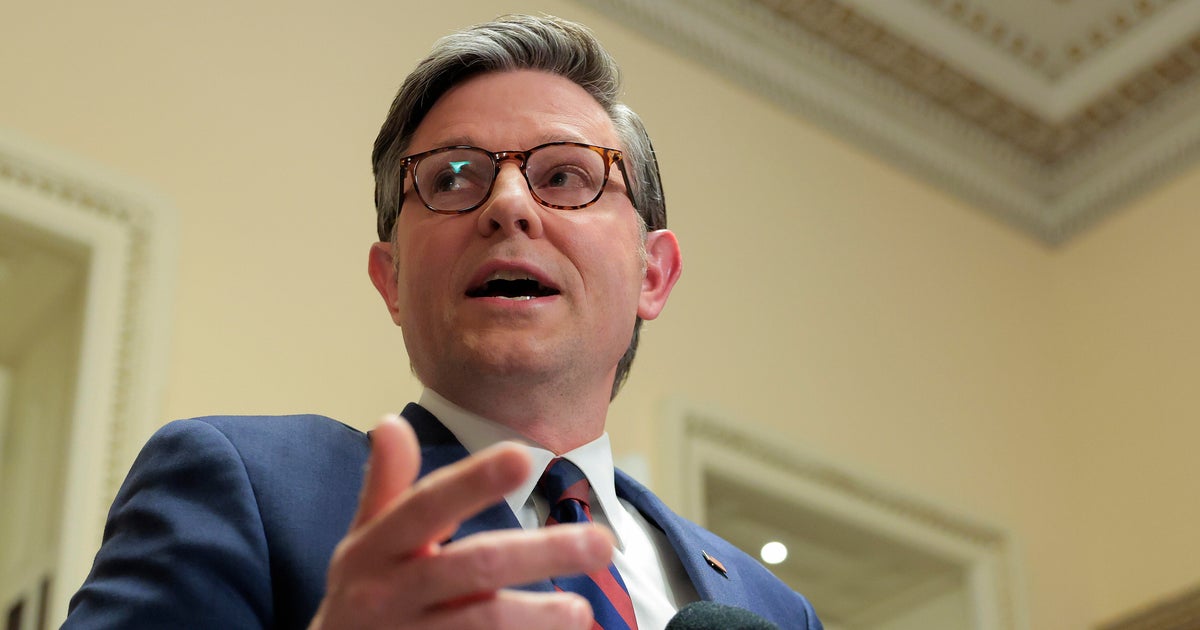
House Speaker Mike Johnson called Section 702 "far too important right now" to allow it to expire or be subjected to amendments — an implicit reference to the ongoing Iran war, in which intelligence agencies have cited the law as critical to monitoring communications between Iranian military officials and their proxies abroad. Johnson suggested he might accept a shorter extension than 18 months if the full duration could not command enough votes. House Republicans hold a 218-214 majority and can afford to lose only two members before a rule fails to reach the floor.
The vote represents a bipartisan flash point that cuts across standard party lines. Approximately 50 House Democrats signed an April 14 letter demanding reforms as a condition for their support, including closing what critics call the "data broker loophole" — a provision that allows intelligence agencies to purchase Americans' personal data from commercial brokers without a warrant, effectively bypassing Fourth Amendment protections. The ACLU, Electronic Frontier Foundation, and a coalition of conservative civil liberties groups have urged Congress to reject any clean renewal, arguing the law enables mass surveillance of U.S. persons without individualized suspicion.
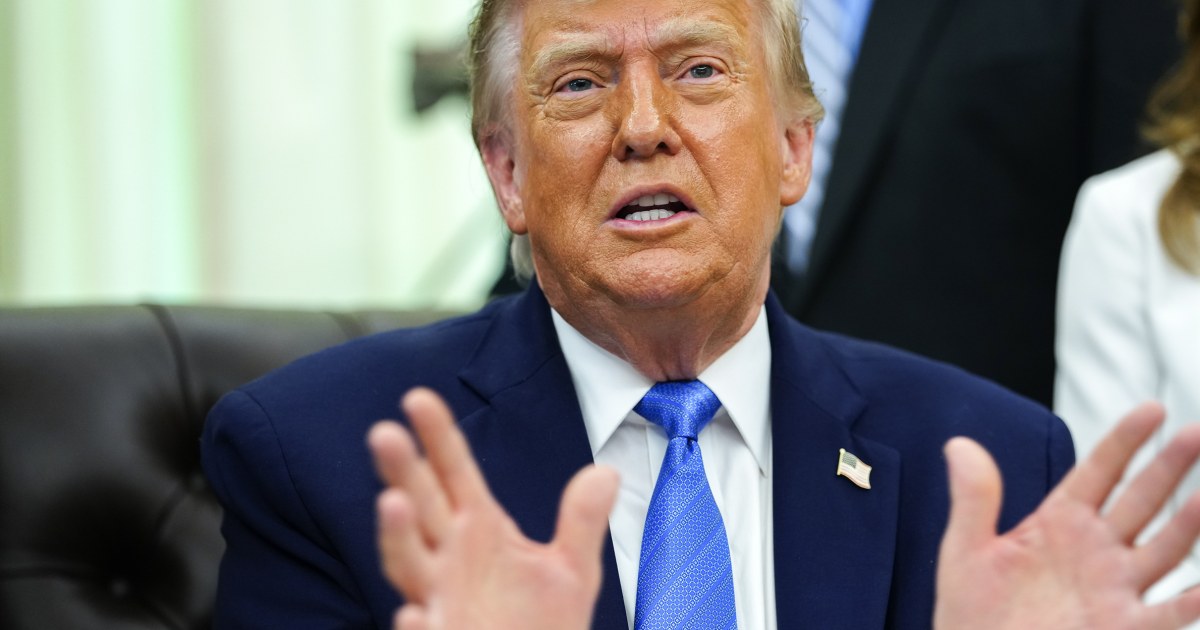
Republican opponents of a clean renewal focused on different grievances. Several Trump-aligned conservatives argued that the FBI abused Section 702 authorities to conduct warrantless searches of American political figures — a concern that resonates among those who believe the bureau surveilled the 2016 Trump campaign. Rep. Lauren Boebert (R-CO) stated she cannot vote for renewal without a warrant requirement. Rep. Andy Harris (R-MD), the chair of the House Freedom Caucus, said publicly that a clean bill "doesn't have the votes." President Trump hosted a bloc of Republican holdouts at the White House on Tuesday evening in a last-ditch effort to bring them on board.
If Section 702 expires without renewal, intelligence agencies have warned they would lose access to tens of billions of foreign communications annually collected under the program. Former CIA and NSA directors signed a letter warning that a lapse would create a "dangerous gap" in the United States' most sensitive intelligence collection — particularly damaging with hostilities ongoing in the Middle East. Under Section 702, the NSA targets foreign nationals outside the United States and, in doing so, incidentally collects communications involving Americans who contact those targets. The government uses the incidentally collected data for criminal investigations, a practice that critics have likened to a "backdoor search" of Americans' private communications without judicial oversight.
The debate over Section 702 has run in cycles for years, with Congress repeatedly reauthorizing the law while debating reforms that ultimately fail to pass. The current standoff reflects a deeper tension that no legislative session has fully resolved: the genuine national security value of bulk foreign intelligence collection versus the constitutional rights of Americans swept up in programs designed to monitor foreign adversaries.