Scientists Build World's First Quantum Battery That Fully Charges, Stores, and Discharges Energy
Australian researchers demonstrated a complete quantum energy cycle for the first time, with the counterintuitive finding that quantum batteries charge faster as they grow larger.
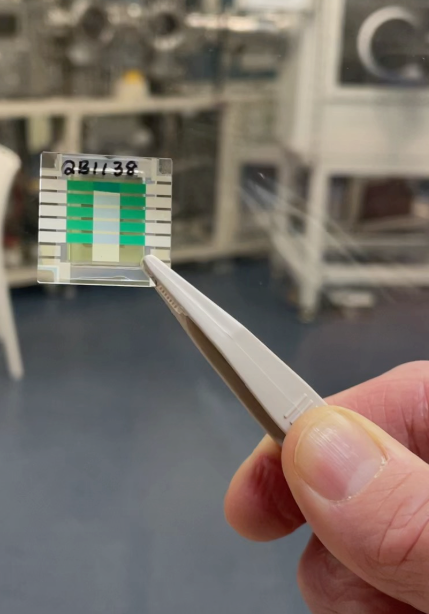
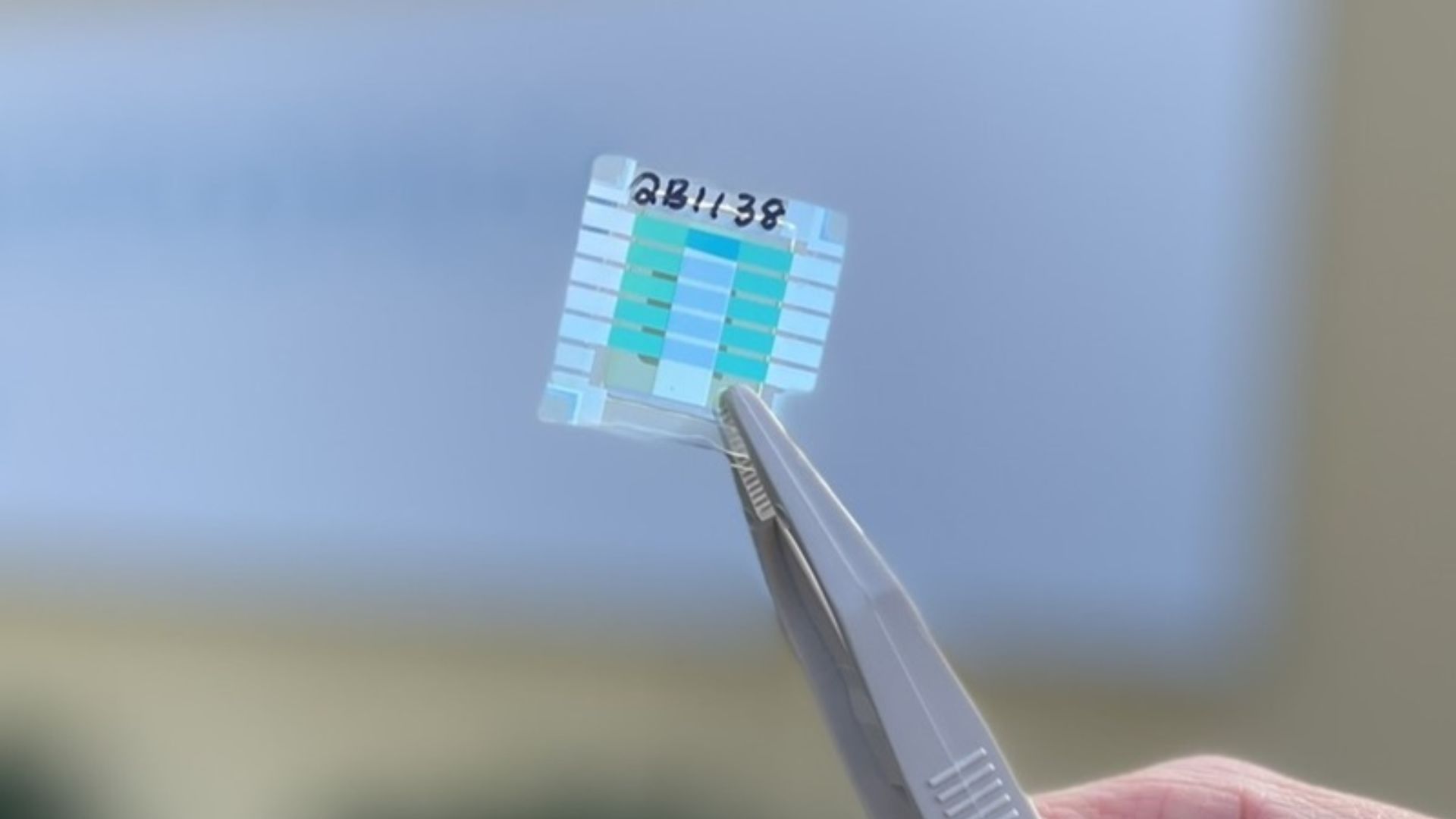
Scientists at Australia's national science agency CSIRO, in collaboration with RMIT University and the University of Melbourne, have demonstrated the world's first proof-of-concept quantum battery that can complete the full energy cycle — absorbing charge, storing it, and discharging usable energy. The results were published in March 2026 in the journal Light: Science and Applications, marking what researchers describe as a pivotal step from theoretical curiosity to physical engineering reality.
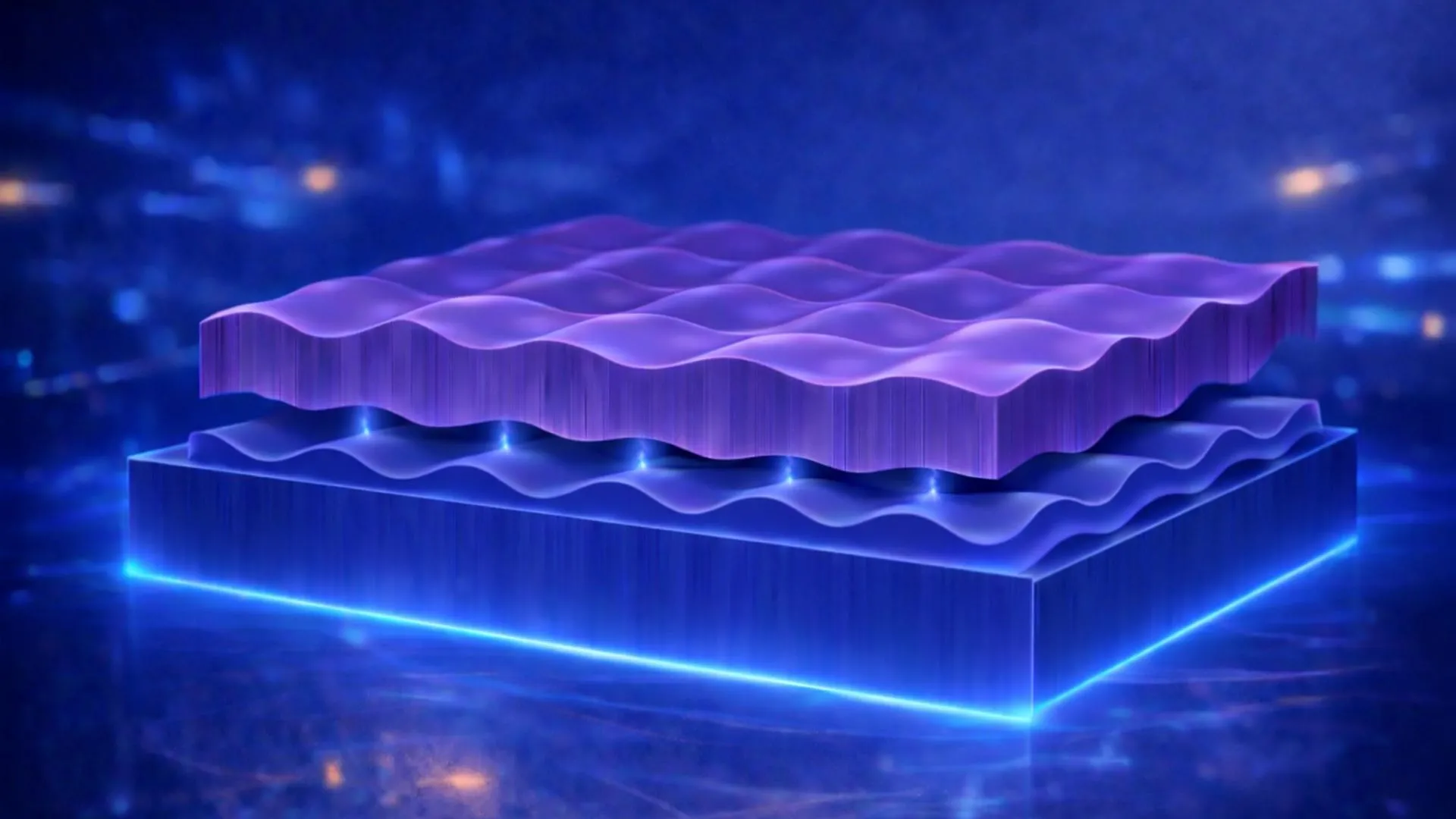
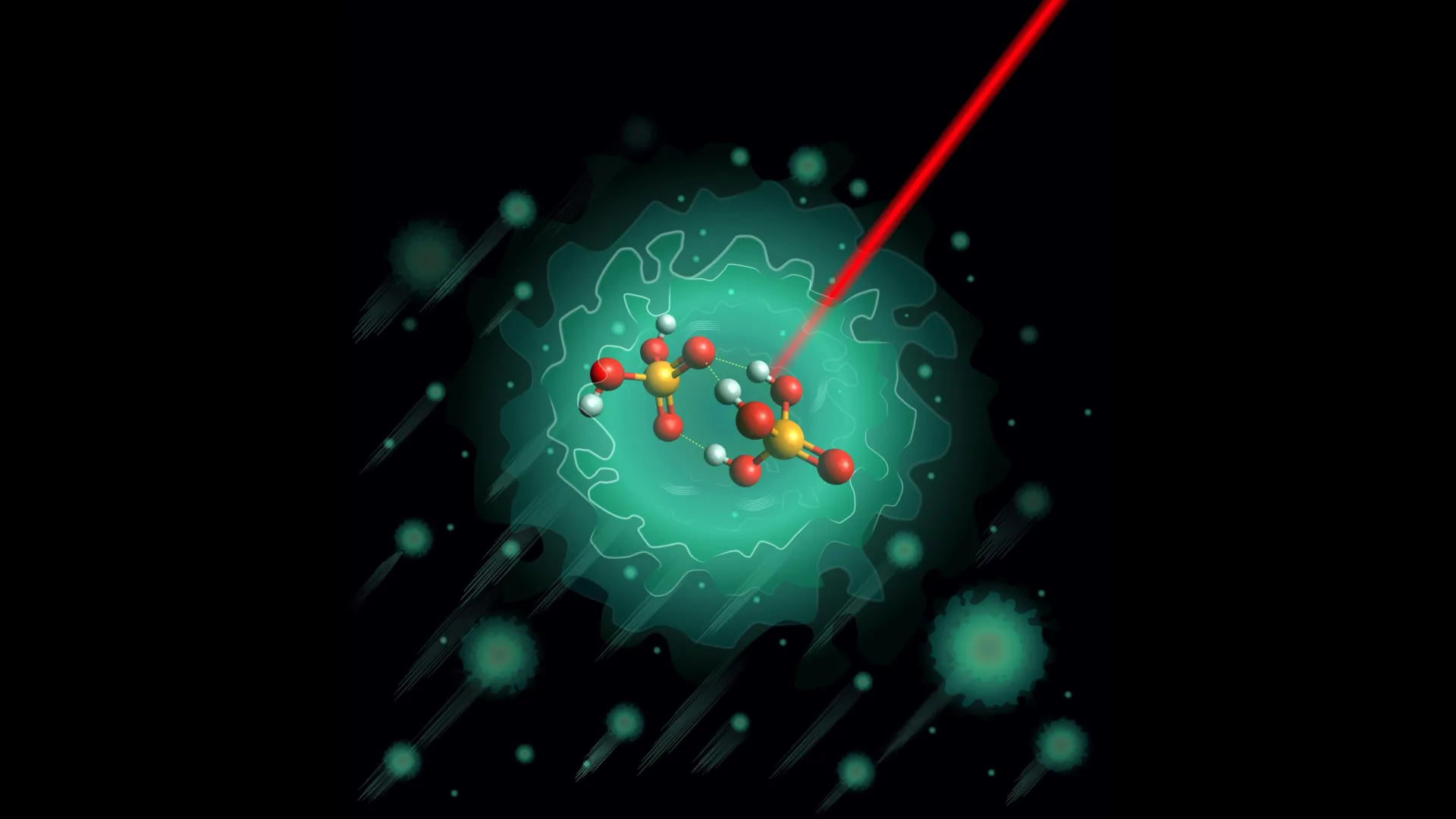
The device uses a multi-layered organic microcavity structure and is charged wirelessly via laser. What sets it apart from conventional battery technology is a counterintuitive quantum property: unlike standard batteries, which charge more slowly as they scale up due to growing internal resistance, quantum batteries become more efficient as they grow larger. The researchers also demonstrated that the device retains stored energy for six orders of magnitude longer than the time required to charge it — a ratio that, while still measured in nanoseconds at laboratory scale, represents a key proof of principle for long-term energy storage.
Dr. James Quach, science leader for quantum science and technologies at CSIRO, led the research team. 'For decades, quantum batteries existed only in theoretical physics papers,' Quach said. 'What we've now shown is that the fundamental physics works in a real physical system — you can charge it, it stores energy coherently, and it can release that energy on demand.' The current prototype stores only a few billion electron-volts of energy — a tiny fraction of what a conventional battery holds — but the researchers argue the significance lies in proving the underlying mechanism works at room temperature without requiring exotic cooling systems.
The implications, if the technology can be scaled, are potentially transformational. Quantum charging theory predicts that a sufficiently large quantum battery could be charged in seconds rather than hours, because charging speed scales favorably with device size. Quach has described a long-term vision in which electric vehicles charge as fast as it takes to pump a tank of petrol, and in which wireless charging over long distances becomes practical for consumer devices. The laser-based wireless charging demonstrated in the prototype is an early proof that power can be delivered without physical contact.
Significant engineering challenges remain before any commercial application is plausible. The nanosecond charge-retention timescale of the current device must be extended by many orders of magnitude. The organic microcavity materials used in the prototype are delicate and difficult to manufacture at scale. And the energy density must increase enormously for the technology to compete with existing lithium-ion chemistry. Nonetheless, the Australian team's paper has drawn widespread attention from physics and materials science communities as the first experimental demonstration that the full energy cycle of a quantum battery is not merely theoretically permitted but practically achievable.