FCC Approves $6.2B Nexstar-Tegna Merger Over Eight AGs' Lawsuits, Creating Largest Local TV Owner in US History
The combined 265-station company will reach more than 60% of American households after Chairman Brendan Carr waived FCC ownership limits — while New York and seven other states sue to block a deal critics say will spike cable bills and gut newsrooms.
The Federal Communications Commission approved a $6.2 billion merger between Nexstar Media Group and Tegna on Thursday, creating the largest operator of local television stations in the United States — a company that will own 265 stations across 44 states and the District of Columbia. The decision was issued less than 24 hours after eight state attorneys general filed lawsuits seeking to block the deal, and it drew immediate accusations of regulatory capture from consumer advocates, state officials, and the commission's sole Democratic member.
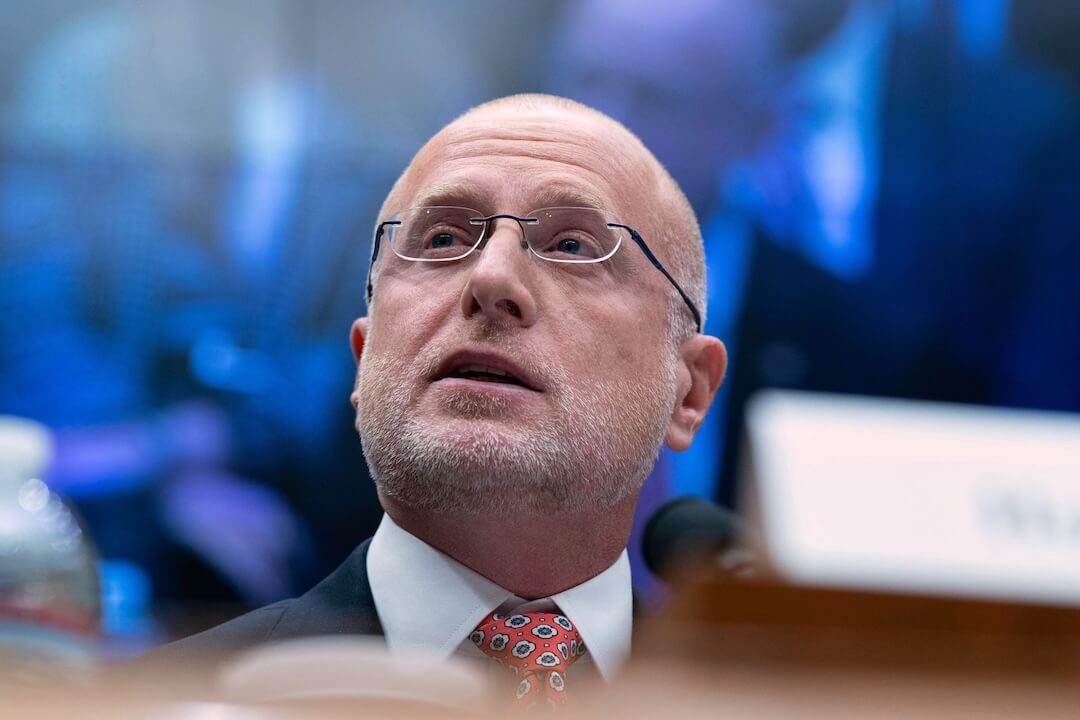
FCC Chairman Brendan Carr, a Republican, signed off on a waiver allowing the combined company to reach more than 60 percent of US television households — roughly 50 percent above the 39 percent cap that the agency's own rules normally impose. Carr argued the waiver was necessary to allow broadcast television to survive in competition with streaming platforms. "If you care about local news, you should care about the future of local broadcast stations," he said in a statement, framing the consolidation as a structural response to an industry in financial decline. The deal required Nexstar to divest six stations in markets where its combined footprint with Tegna would have created a local duopoly.
The lone dissent came from Commissioner Anna Gomez, the only Democrat on the five-member commission. "This merger was approved behind closed doors with no open process, no full Commission vote, and no transparency for the consumers and communities who will bear the consequences," Gomez said in a blistering written dissent. "Local journalism is under extraordinary strain, and this merger will accelerate exactly that trend." Gomez noted that large broadcast groups have a documented history of reducing local newsroom headcount after acquisitions and argued that the commission's waiver of the household reach limit was unprecedented in both scale and procedural informality.
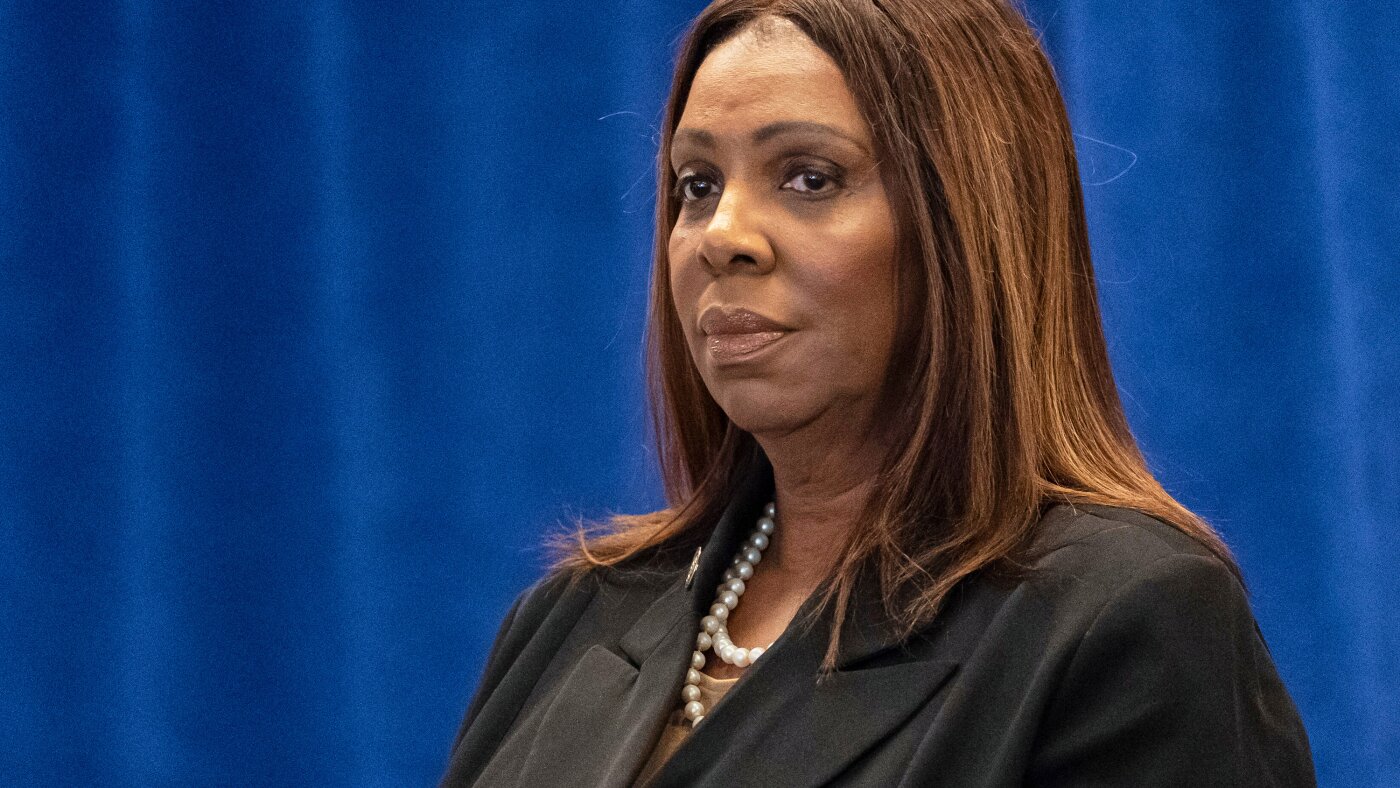
New York Attorney General Letitia James, coordinating with the attorneys general of California, Colorado, Connecticut, Illinois, North Carolina, Oregon, and Virginia, filed suit in US District Court in Sacramento to enjoin the merger before closing. DirecTV filed a separate legal challenge, arguing the combined entity would extract "monopoly-level" retransmission consent fees from pay-TV providers. "Cable prices will spike for consumers in New York and across the country," James warned. Legal experts said the attorneys general faced a difficult standard given the FCC's broad statutory authority over broadcast licensing, but suggested a preliminary injunction to delay closing was possible if the court found irreparable harm. Nexstar CEO Perry Sook said the company expected to close the transaction "as quickly as permissible" and expressed confidence that the legal challenges would not survive scrutiny.
The merger's approval comes against a backdrop of mounting financial pressure on local television. Cord-cutting has eroded the subscriber base that supports retransmission consent fees — the payments cable and satellite companies make to carry local broadcast signals — while digital advertising has migrated to tech platforms. Defenders of the deal argue that a larger combined entity has more leverage to negotiate these fees and can share back-office costs, news production infrastructure, and regional reporting resources across a broader station portfolio. Critics counter that concentration in local news creates a single editorial chokepoint for communities across dozens of markets, particularly in the 44 states where at least one station will be owned by the new Nexstar. A 2024 academic study found that local TV stations acquired by large broadcast groups reduced their news workforce by an average of 15 percent within two years of closing — a figure consumer advocates said Friday was likely to apply to the Nexstar-Tegna combination given the cost synergies the companies have publicly identified.