FBI Director Patel Admits Agency Is Buying Americans' Location Data Without Warrants
Kash Patel confirmed before the Senate Intelligence Committee that the FBI purchases commercially available movement data, reversing the position of his predecessor and alarming civil liberties advocates.

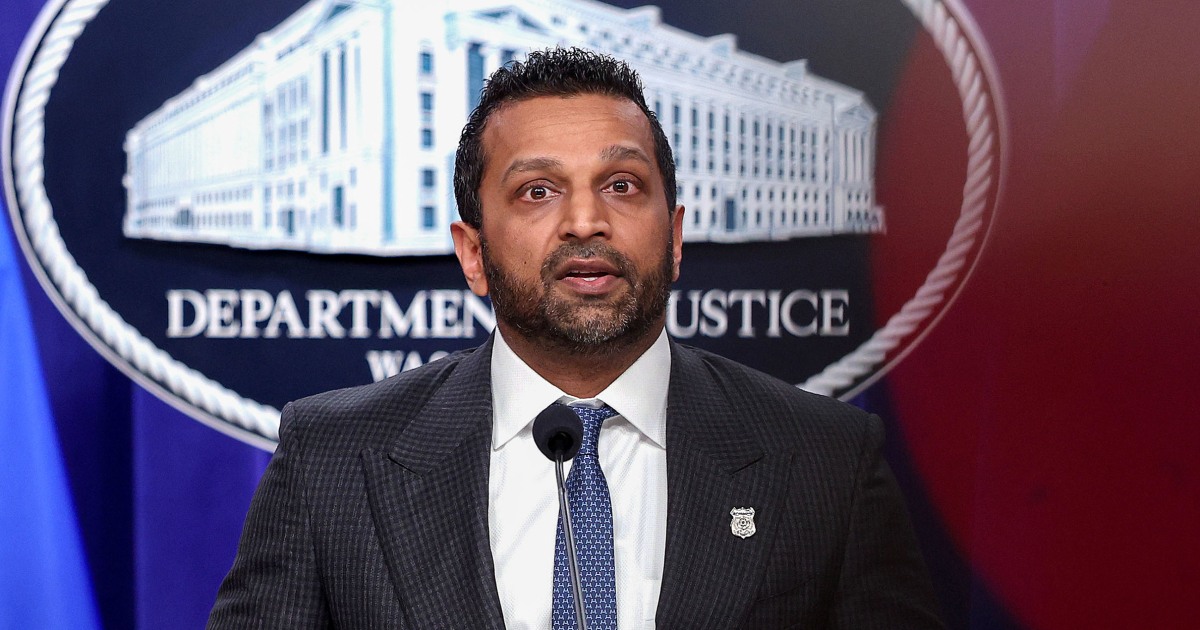
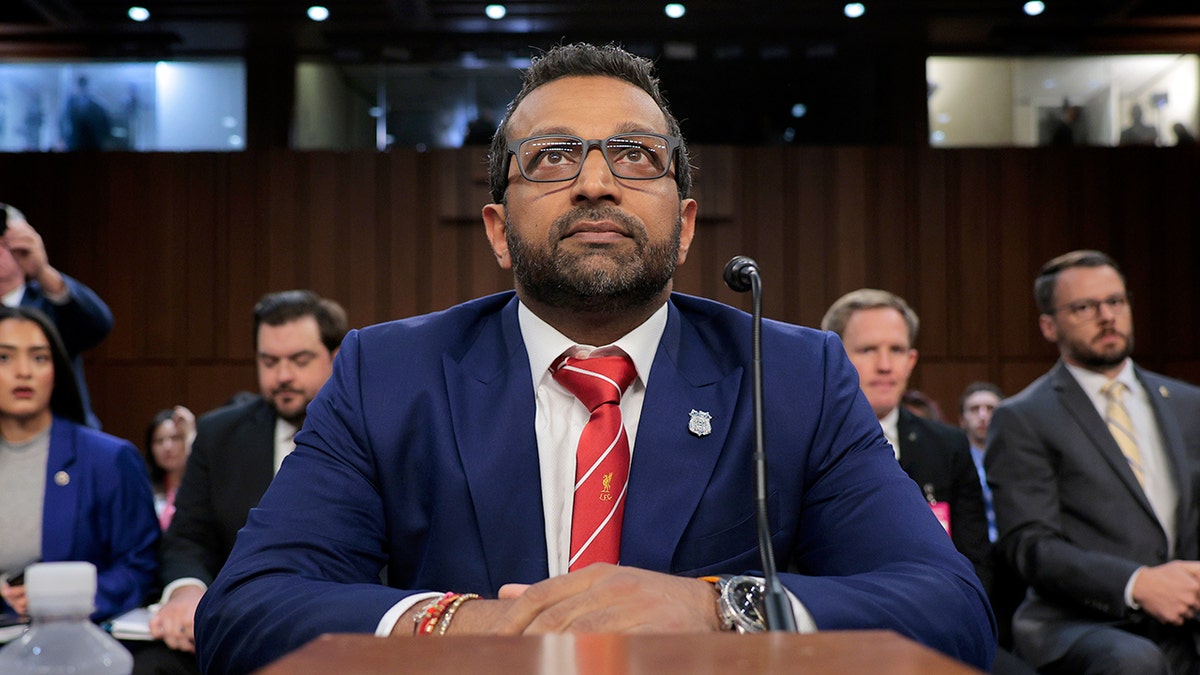
FBI Director Kash Patel confirmed before the Senate Intelligence Committee on Wednesday that the bureau is actively purchasing commercially available location data on American citizens — without obtaining a court-issued warrant — and that the practice has produced what he called "valuable intelligence." The disclosure drew sharp criticism from civil liberties advocates and rekindled a longstanding constitutional debate over whether federal law enforcement can sidestep the Fourth Amendment's warrant requirement simply by buying data that private companies have already collected.
The confirmation came during a tense exchange with Democratic Senator Ron Wyden of Oregon, who asked Patel directly whether he would pledge to halt the purchases. Patel declined. "We do purchase commercially available information that is consistent with the Constitution and the laws under the Electronic Communications Privacy Act," Patel said. "It has led to some valuable intelligence for us." The statement is significant partly because of what it walks back: in 2023, then-FBI Director Christopher Wray told the same committee that the agency had bought location data in the past but was not currently doing so. Patel's testimony effectively reverses that position.
The practice works as follows. Data brokers harvest location information from smartphone apps — navigation tools, weather services, retail apps — and compile it into commercial databases that are sold to marketers, researchers, and, apparently, to federal agencies. The data can reveal with considerable precision where a phone has been, and therefore where its owner has been: what mosque they attend, which doctor they visit, whether they appeared at a protest. Because the information is purchased from a private commercial entity rather than seized directly from a phone carrier, the government has long argued that no warrant is required under the so-called "third-party doctrine," which holds that people surrender their privacy expectations when they share information with third parties.
Wyden and several colleagues — including Republican Senator Mike Lee of Utah — have introduced the Government Surveillance Reform Act, which would require a court-authorized warrant before any federal agency purchases Americans' personal data from a data broker. "There is no meaningful difference between the government demanding your location history from your phone company and buying it from a shadowy data broker," Wyden said in a statement after the hearing. "Either way, the FBI gets a detailed map of your life without ever asking a judge."
The revelation comes as Speaker Mike Johnson is simultaneously pushing for an 18-month clean extension of Section 702 of the Foreign Intelligence Surveillance Act, which authorizes the collection of electronic communications of foreign targets. Civil liberties groups have long argued that Section 702 sweeps in vast amounts of American communications as "incidental" collection and that law enforcement agencies should be required to obtain a warrant before querying databases for information about U.S. persons. Johnson's extension bill is expected to face an April 20 deadline; opponents, including Representative Lauren Boebert, are demanding warrant requirements be added before any renewal.
The disclosure also comes on the heels of a report from the Varieties of Democracy Institute, a respected Swedish-based political research organization, warning that the United States is undergoing what it called "unprecedented" democratic erosion. The V-Dem report cited, among other indicators, increasing surveillance of civil society, growing pressure on independent media, and the expansion of executive power. Meanwhile, the Defense Intelligence Agency was separately reported this week to also be purchasing commercial location data from data brokers, raising questions about how widespread the practice has become across the federal government. Privacy advocates say the combined disclosures point to a sweeping, largely invisible surveillance architecture that exists entirely outside the warrant system the Constitution was designed to require.