Six-Week DHS Shutdown Reaches Breaking Point as TSA Absences Hit Record and Trump Orders Emergency Paychecks
With 3,450 TSA officers calling out on a single day and airports in chaos, Trump signed an executive order to pay workers using unspent funds — but Congress remains deadlocked over how to reopen the department.
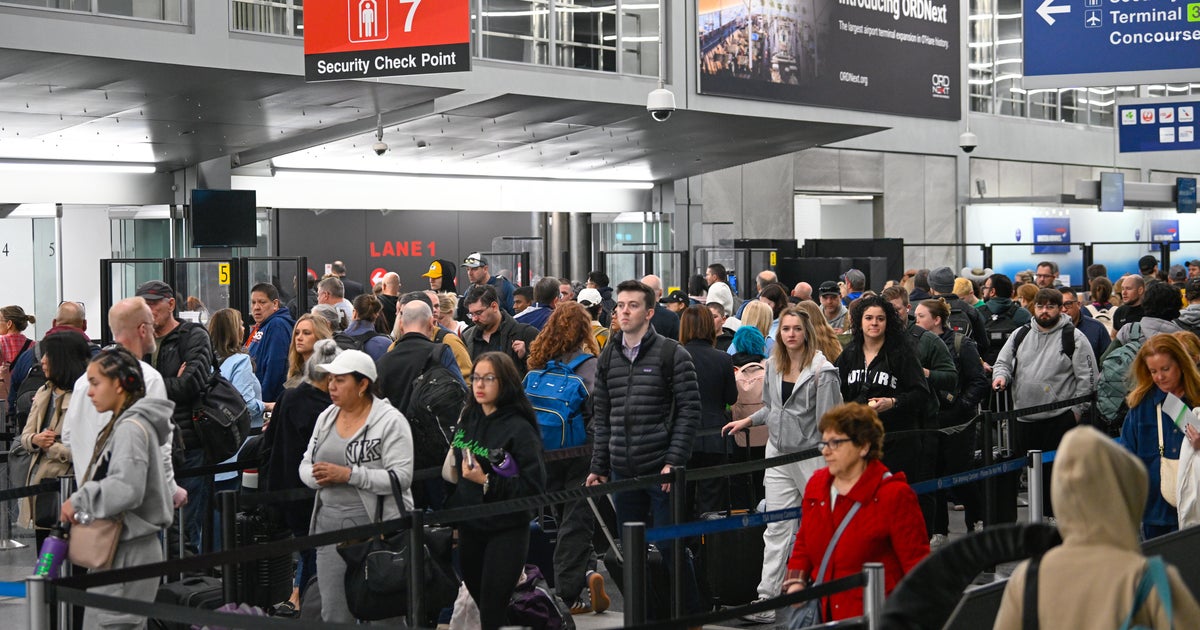
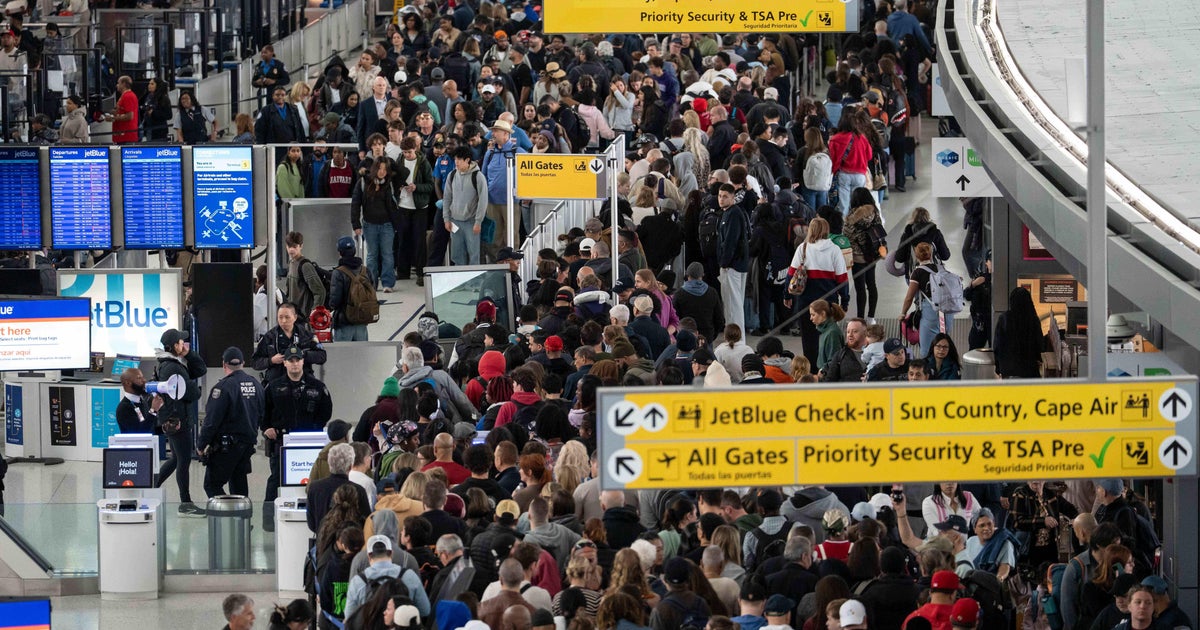
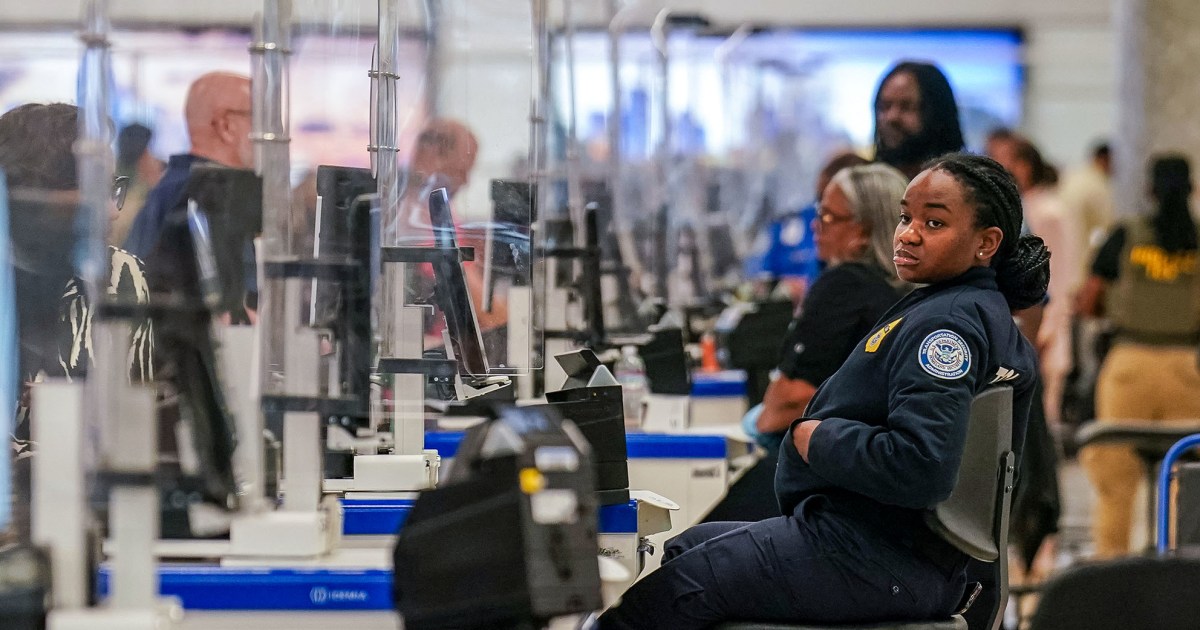
A six-week partial government shutdown of the Department of Homeland Security reached a breaking point this week as TSA officer absenteeism hit its highest level yet — 11.83% on March 27, with more than 3,450 workers calling out that single day — causing hours-long security lines at major airports across the country and prompting an emergency intervention from the White House. President Trump signed an executive order directing DHS to pay TSA workers using unspent appropriations from the "One Big Beautiful Bill," with the administration promising workers would see paychecks as early as Monday, March 30.
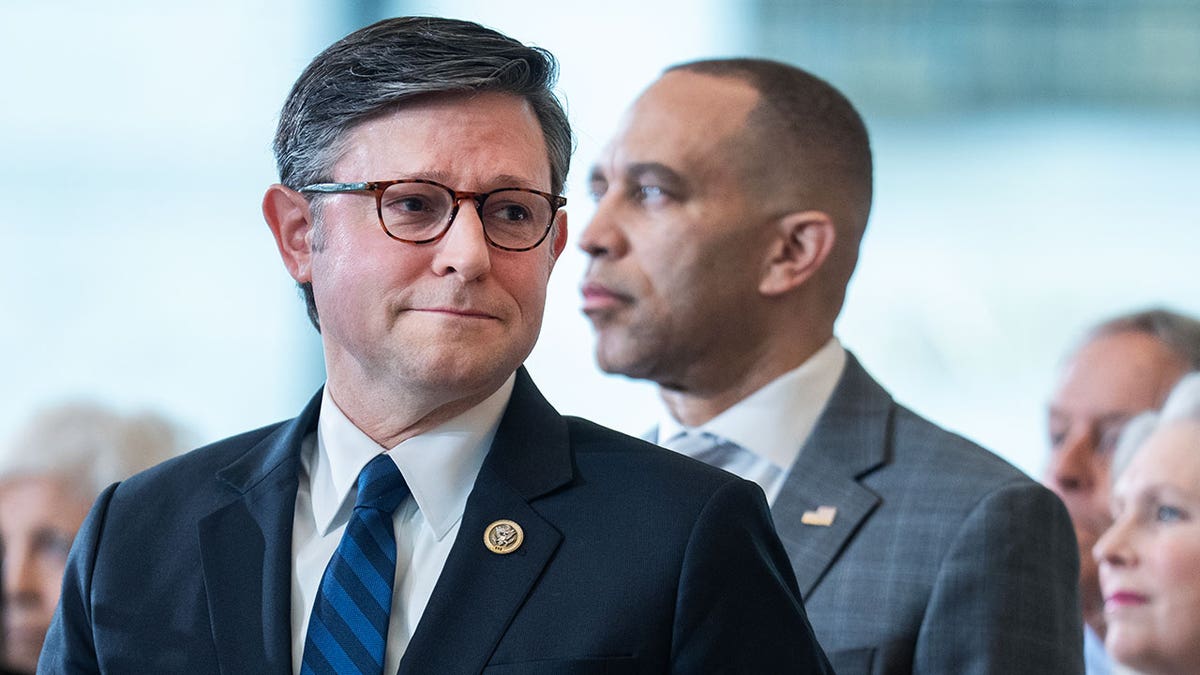
The shutdown, which began in mid-February after Congress failed to pass a full-year DHS appropriations bill, has pitted the Republican-controlled House against a Senate coalition that has blocked multiple stopgap measures. The House passed a 60-day continuing resolution 213-203 this week that would fund all DHS agencies including ICE and CBP. Senate Democrats immediately declared the measure "dead on arrival," arguing it would fund deportation operations while denying pandemic-era public health programs. The Senate's alternative bill, which passed with bipartisan support, funded DHS but deliberately excluded ICE and CBP — a provision House Republicans flatly refused to accept.
The human toll of the standoff has become impossible to ignore. TSA officers — who are classified as federal employees but were controversially excluded from civil service protections in the agency's original authorizing legislation — have no legal right to strike, yet thousands have been quietly calling in sick in what labor analysts describe as an informal work slowdown. The TSA Administrator told a Senate committee this week that the agency was operating on "fumes" and that its ability to screen passengers at smaller regional airports was "severely compromised." Several regional airports reduced operating hours as a direct result of staffing shortfalls.
The executive order signed by Trump attempts to sidestep the congressional impasse by drawing on unspent mandatory spending. Legal scholars questioned whether the administration's interpretation of the One Big Beautiful Bill's provisions actually authorizes such a transfer, and at least one Democratic senator vowed to challenge the order in court. The administration countered that its legal authority was clear and that workers would not be left in financial limbo while Congress engaged in what press secretary Karoline Leavitt called "political theater."
Beyond the TSA, the shutdown has affected a range of DHS functions. FEMA's disaster relief pre-positioning for the spring tornado season has been delayed. The Secret Service has seen multiple protective detail staffers take approved leave in unusual numbers. Customs and Border Protection officers at several ports of entry have reported mandatory overtime, with some saying they have worked 70-hour weeks without additional compensation. Congressional leaders from both parties indicated Sunday that a narrow agreement to fund at least TSA and FEMA on a temporary basis might be achievable within days — though the broader DHS funding fight showed no signs of resolution.