Democrats Keep Outrunning 2024 Margins in Early Elections, Setting Up Fight for 9 Senate Seats
From Wisconsin to Georgia, Democrats are running well ahead of their 2024 baselines, with military discontent and college voter suppression efforts emerging as new variables in the midterm race.

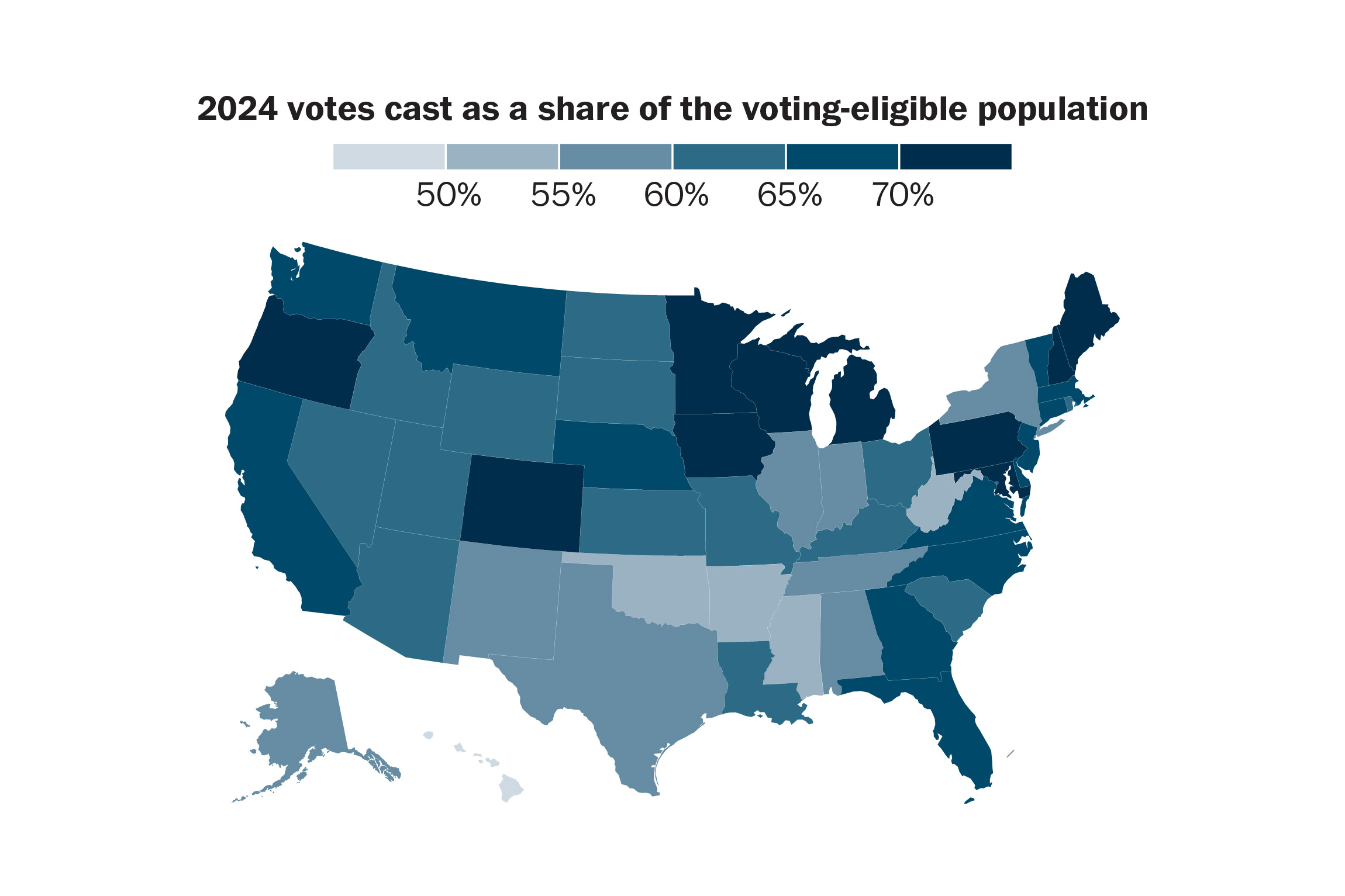
Democrats have outperformed their 2024 presidential-year margins in nearly every contested election held in the first quarter of 2026, establishing a pattern of opposition energy that party strategists say is now pointing toward a highly competitive midterm map — one featuring nine Senate seats that analysts classify as genuine tossups heading into November. The trend, which began with a string of special elections in 2025, has continued into the spring cycle and is shaping Republican calculations about which incumbents need early financial reinforcement.
The most recent data point came in Wisconsin, where voters elected a new state Supreme Court justice, expanding the liberal majority to 5-2 through 2030. That result was widely read as a referendum on Trump's second-term agenda — particularly his administration's immigration enforcement, trade tariffs, and the rollback of healthcare protections. Judge Chris Taylor defeated her conservative opponent by more than 20 percentage points, a margin that Democrats said was the equivalent of a general-election blowout in a state that Trump won narrowly in 2024. Georgia held state-level elections this week as well, with Democrats again outrunning their baselines by significant margins.
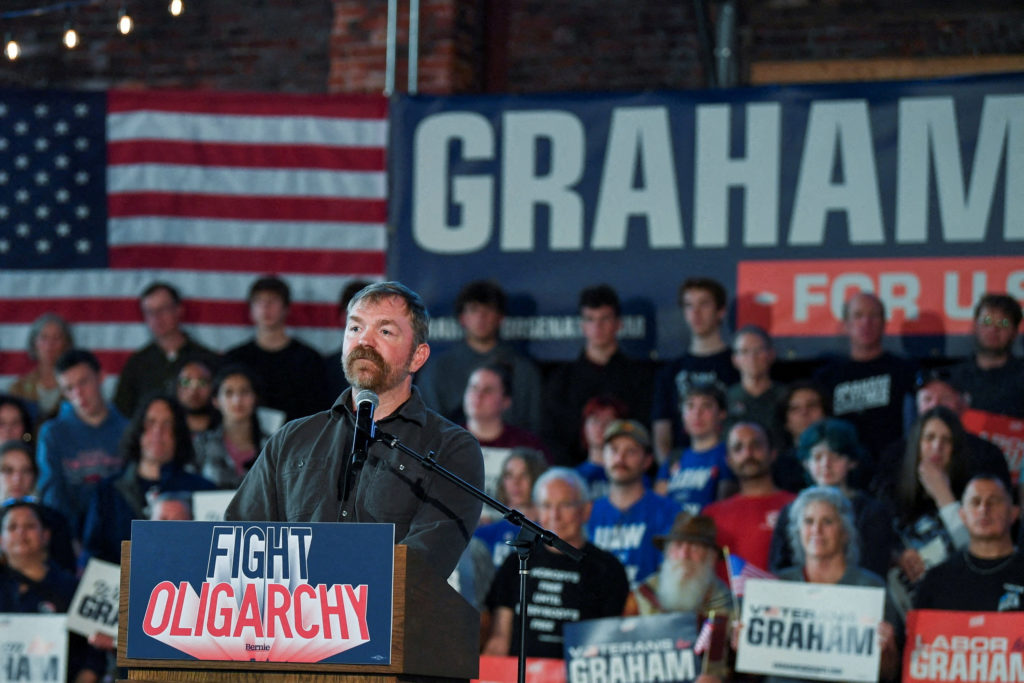
The nine Senate seats identified as competitive in November span a mix of Republican-held and open seats in states that have trended toward battleground status. Among them are seats in states where Trump's tariff policies have landed badly with agricultural and manufacturing communities, and in suburban districts where moderate Republicans and independent voters have repeatedly demonstrated willingness to split their tickets. Democratic Senatorial Campaign Committee officials say they are tracking candidate recruitment in all nine states and have already secured what they describe as "recruit-quality" challengers in five of them.
A new political variable has emerged in recent months that strategists in both parties are monitoring closely: military discontent. NPR interviews with active-duty service members and veterans' advocates documented "a growing number in the military unsettled" by the Trump administration's use of the armed forces since January 2025, including domestic deployment controversies and changes to the military's diversity and leadership structure. Service members traditionally vote Republican at higher rates than the general population, and any erosion in that baseline could affect close Senate races in states with large military installations.
The Trump administration has also moved to limit traditional voter registration and civic engagement programs at colleges, cutting off new data that schools had used to boost student participation in elections. Civil liberties groups have challenged the policy in federal court, but implementation has continued while litigation proceeds. Youth and college voter turnout was a significant driver of Democratic overperformance in 2022, and efforts to suppress those programs suggest the administration has concluded that mobilized young voters are a structural threat to Republican margins. The midterm calendar formally begins with primaries in May, and both parties are preparing for what operatives describe as the most consequential off-year election cycle since 2018.