CPAC 2026: Trump Skips Conference for First Time in a Decade as Iran War Fractures Conservative Movement
The annual conservative gathering in Grapevine, Texas became a rare public forum for intra-MAGA dissent, with younger attendees describing 'betrayal' over the war as attendance dropped sharply.
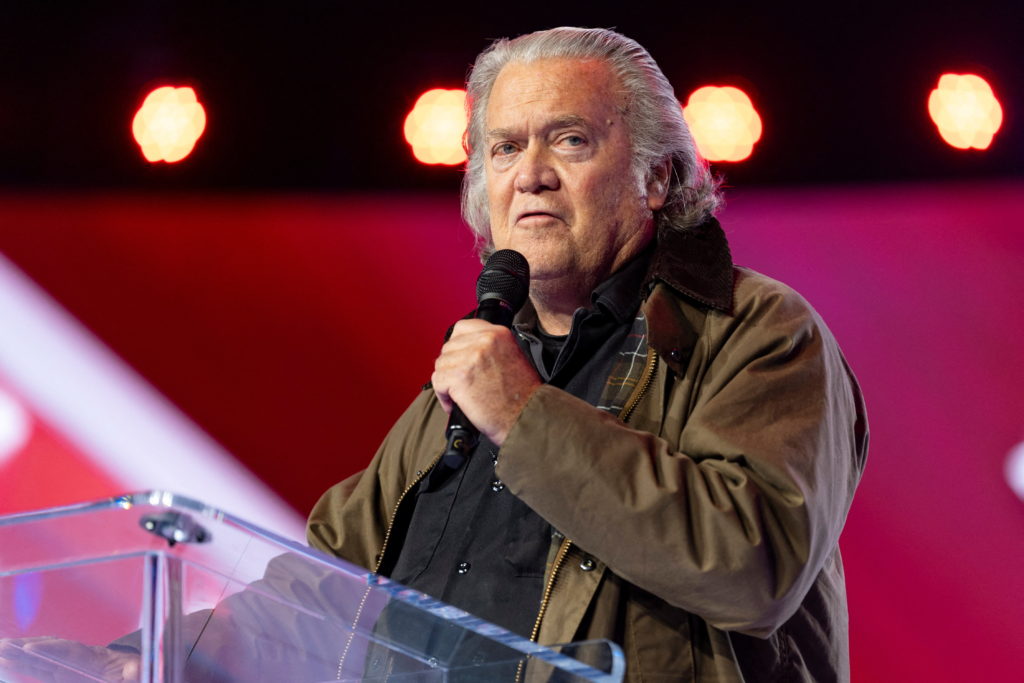
The Conservative Political Action Conference convened Thursday at the Gaylord Texan Resort in Grapevine, Texas — and for the first time in a decade, Donald Trump was nowhere to be found. What had been billed as a showcase of MAGA unity instead became an unscripted airing of grievances, as the Iran war opened a rift on the right that organizers could not paper over with red hats and patriotic music.
Trump's absence was explained by a scheduling conflict: the president was delivering remarks at Saudi Arabia's Future Investment Initiative summit in Miami, where Riyadh recently boosted its commitment to U.S. investment to $1 trillion. White House officials insisted the two events simply could not be reconciled on the calendar. But insiders acknowledged that CPAC's increasingly fractious atmosphere over the Iran conflict made the decision easier. Vice President JD Vance, who addressed the conference last year, was also absent from the speakers' lineup — a notable double absence given that CPAC has traditionally served as the launchpad for the next iteration of the Republican presidential brand.
Those who did attend witnessed a rare public airing of intra-conservative disagreement. Steve Bannon, the former White House chief strategist and one of the most influential voices in the MAGA movement, warned delegates that if the Iran conflict becomes "a hard slog," it could erode support from the very voters who returned Trump to the White House. Former Rep. Matt Gaetz drew sustained applause from younger attendees when he criticized what he called "nation-building in the Persian Gulf" and called on Congress to assert its war powers. The libertarian-leaning wing of the party, once a fringe presence at CPAC, found itself with a larger audience than in any recent year.
The generational divide was especially visible. College Republican chapters from across the South and Midwest described a sense of "betrayal" — that a president elected partly on an anti-interventionist platform had launched the largest U.S. military operation in 20 years without a congressional declaration of war. Their views stood in sharp contrast to veteran attendees and establishment figures like Texas Sen. Ted Cruz, who defended the strikes unequivocally. "I think President Trump was exactly right to act to protect Americans," Cruz told CBS News on the sidelines of the conference.
Attendance at the four-day event was noticeably lower than in previous years, with several sessions playing to half-empty rooms. A new AP-NORC poll released this week found approximately 59% of Americans view the military action in Iran as excessive — a figure that Republican strategists are watching with growing anxiety ahead of November's midterm elections. Historically, the party of the president loses House and Senate seats in the first midterm; with the Iran war polling poorly and the 41-day DHS shutdown generating daily headlines about airport chaos, CPAC 2026 offered a preview of the difficult political terrain that lies ahead.