Texas Senator Cornyn Reverses Decades of Filibuster Support to Push Trump's Voting Bill
Facing a competitive primary and eyeing Trump's endorsement, Sen. John Cornyn says he'll support whatever Senate rule changes are needed to pass the SAVE America Act.

Senator John Cornyn of Texas, one of the Senate's most ardent defenders of the 60-vote filibuster threshold, reversed his position Wednesday and declared he would support whatever rule changes are necessary to pass President Trump's SAVE America Act — a stunning about-face from a lawmaker who had spent years warning that weakening the filibuster would permanently damage the Senate as an institution.
Cornyn's reversal came just hours after he faced a bruising day of questioning about his filibuster stance during appearances in Texas, where he is fighting off a competitive Republican primary challenge. The senator is locked in a runoff for his Senate seat and has been seeking Trump's endorsement for months. In a statement, Cornyn said he now supports "whatever changes to Senate rules that may prove necessary" to ensure the SAVE America Act passes, aligning himself with the MAGA wing of the party that has been demanding leadership act aggressively to push through Trump's top domestic priority.
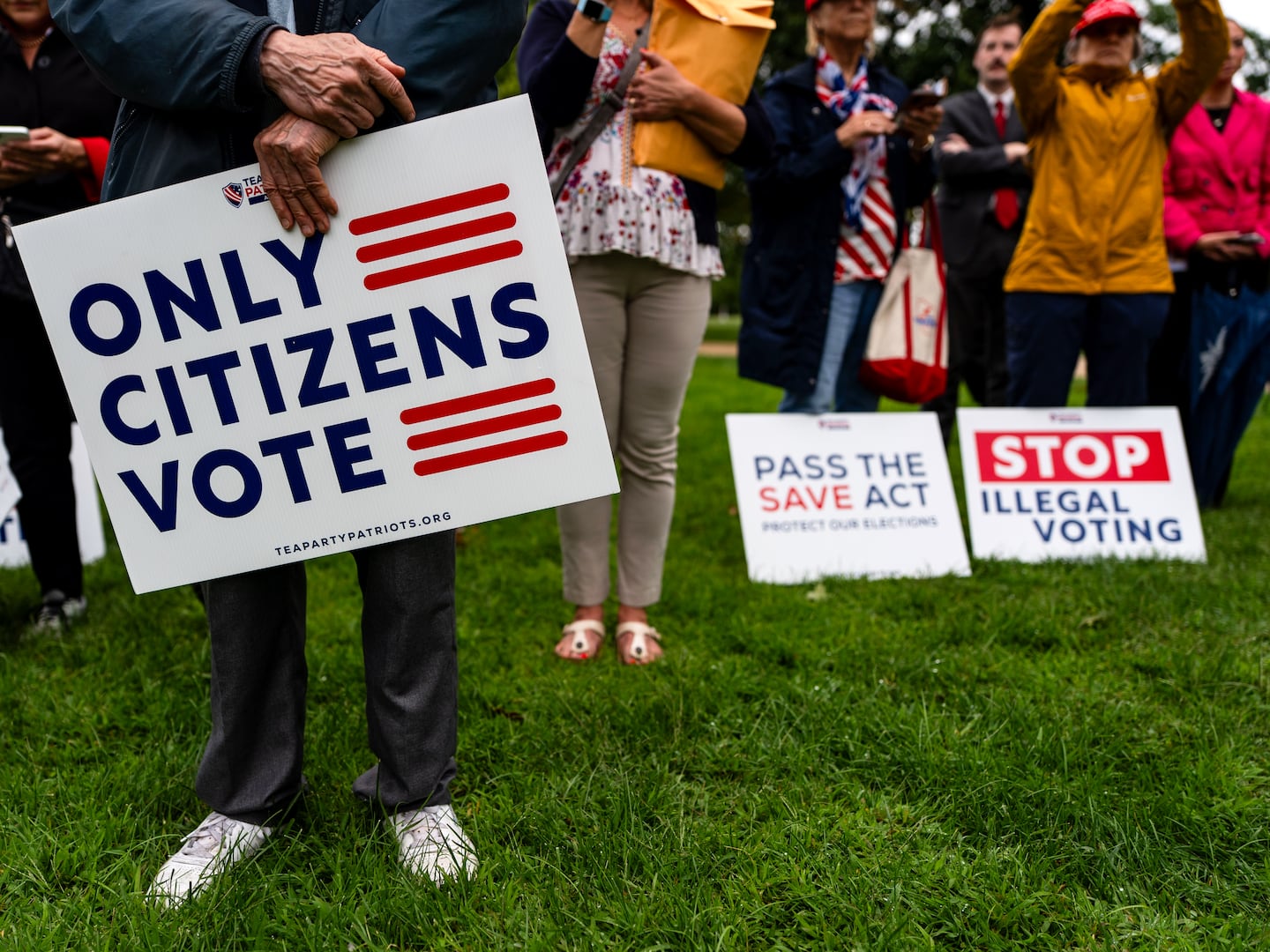
The SAVE America Act, Senate Bill 1, would require all voters to present a government-issued photo ID and documentary proof of U.S. citizenship — either a passport or birth certificate — when registering to vote and at the polls. It would also empower the Department of Homeland Security to flag suspected noncitizens for removal from state voter rolls. Trump has declared the legislation his "No. 1 priority" and has threatened to veto all other bills, including government funding legislation needed to end the partial shutdown, until it reaches his desk.
Senate Majority Leader John Thune opened an extended debate on the bill Tuesday after the chamber voted 51-48 along party lines to proceed, with Senator Lisa Murkowski of Alaska joining all Democrats in opposition. But Thune's own position on filibuster reform remains ambiguous. The majority leader told reporters Wednesday that he does not currently have the votes to lower the 60-vote threshold for legislation, despite the pressure from Cornyn and Senator Mike Lee of Utah, the bill's sponsor. Lee has gone further than most, openly suggesting that Republicans who oppose filibuster reform should face primary challengers.
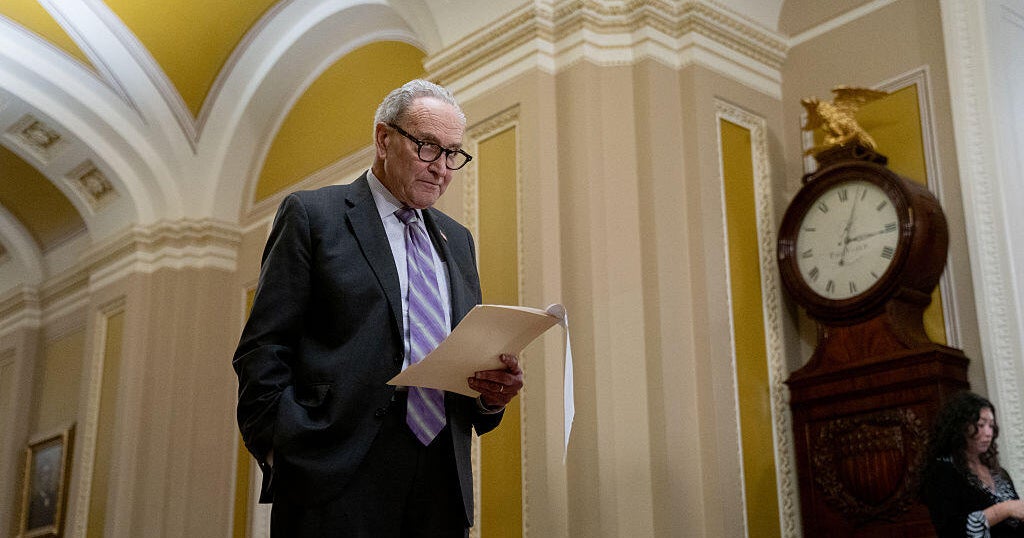
Senate Minority Leader Chuck Schumer called Cornyn's reversal "the clearest possible proof that this is not about election integrity — it's about rigging future elections." Democrats plan to hold the floor indefinitely and force Republicans to maintain the debate around the clock under what Senate insiders have labeled a "talking filibuster" scenario, where opponents must physically remain on the floor and speak continuously to prevent a final vote. Schumer said Democrats have enough members willing to take shifts and keep the talkathon running for as long as it takes.
Civil rights organizations described Cornyn's shift as alarming. The Brennan Center for Justice estimates that 21 million eligible American voters lack the specific forms of identification the SAVE Act requires, with elderly, rural, and minority communities disproportionately affected. The NAACP said it was prepared to challenge the legislation in federal court the moment it passed, arguing it amounts to a modern-day poll tax. Legal scholars have noted that the bill's citizenship documentation requirement would mark the most restrictive federal voting standard in the post-civil-rights era.
Republican supporters pushed back strongly on the characterization. Senator Eric Schmitt of Missouri, who announced a package of amendments designed to align the bill more closely with Trump's preferences, argued that the photo ID requirement enjoys support from roughly 80 percent of Americans in recent polling. Schmitt said the opposition was fundamentally about protecting a broken status quo rather than genuine concerns about voter access. The coming days are expected to test whether Thune can hold his caucus together, whether filibuster reform gains enough traction to change the math, and whether Trump's pressure campaign can force a breakthrough on what may be the defining domestic legislative battle of his second term.