Congress Demands Trump's Exit Plan From Iran War as U.S. Death Toll Hits 13, Wounded Surpass 230
With no congressional authorization and no clear endgame, lawmakers from both parties are pressing the White House to define victory in a conflict now entering its fourth week, as oil prices soar and 3,000 vessels remain stranded.

With 13 American service members now dead and more than 230 wounded since President Trump took the United States to war with Iran on February 28, congressional leaders from both parties are growing increasingly insistent that the White House articulate a clear strategy for ending the conflict — or at least define what victory looks like. The Iran war, launched without a congressional authorization for the use of military force, has dragged into its fourth week with no ceasefire in sight, the Strait of Hormuz still closed, and oil prices that have surged 45 percent since hostilities began, pushing crude above $110 a barrel.
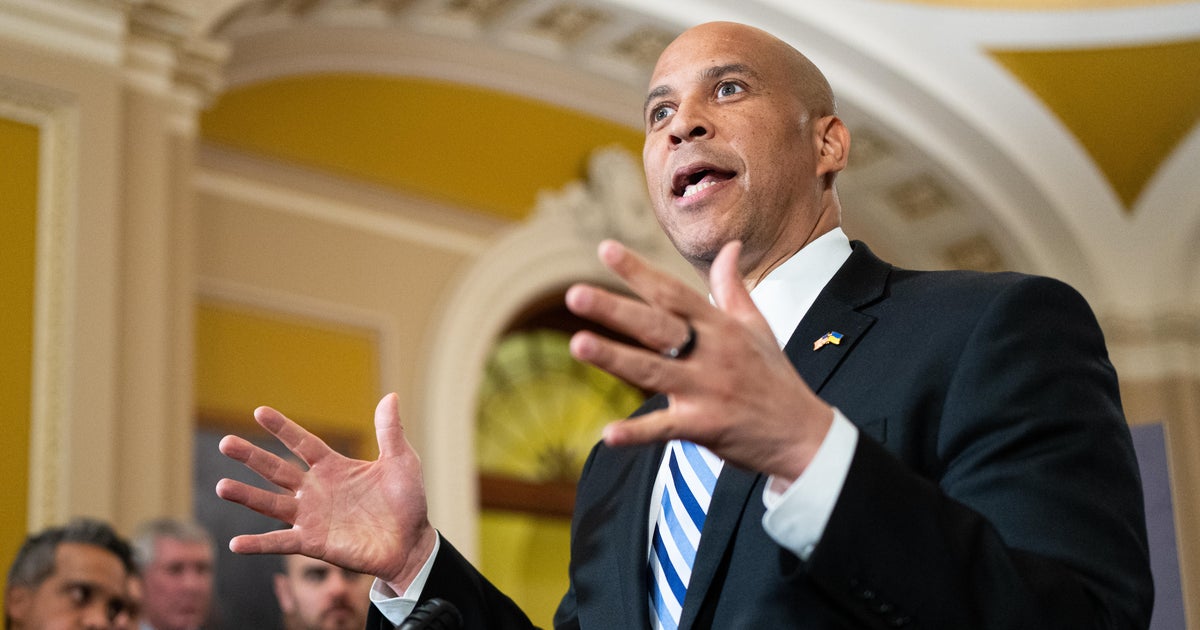
"We are now in the fourth week of a war that Congress never voted on, with Americans dying, and the president still hasn't told us how this ends," said Rep. Jason Crow, a Democrat from Colorado and a veteran of the wars in Iraq and Afghanistan. Crow and a bipartisan group of House members sent a formal letter to the White House on Friday demanding a classified briefing on exit conditions. Their concerns are echoed on the Senate side, where members of both parties are asking increasingly pointed questions about the administration's endgame. The U.S. went to war without invoking the War Powers Resolution, and legislative leaders have yet to schedule a vote on authorizing the conflict retroactively.
Senator Chris Murphy of Connecticut, a frequent administration critic, framed the problem in economic terms. "Ending this war is the only way to lower energy prices," Murphy said in a Sunday morning interview. "Every day this continues, Americans are paying more at the pump, inflation is rising, and our credibility in the region is being tested." Treasury Secretary Scott Bessent announced a temporary measure last week — lifting sanctions on approximately 140 million barrels of Iranian oil stranded at sea, valid until April 19 — as an emergency pressure valve, while the administration also eased restrictions on Russian and Venezuelan oil to supplement global supply. Critics of the move immediately labeled it self-defeating. "We are literally funding our own enemy," said one senior Republican senator who asked not to be identified because of ongoing negotiations with the White House.
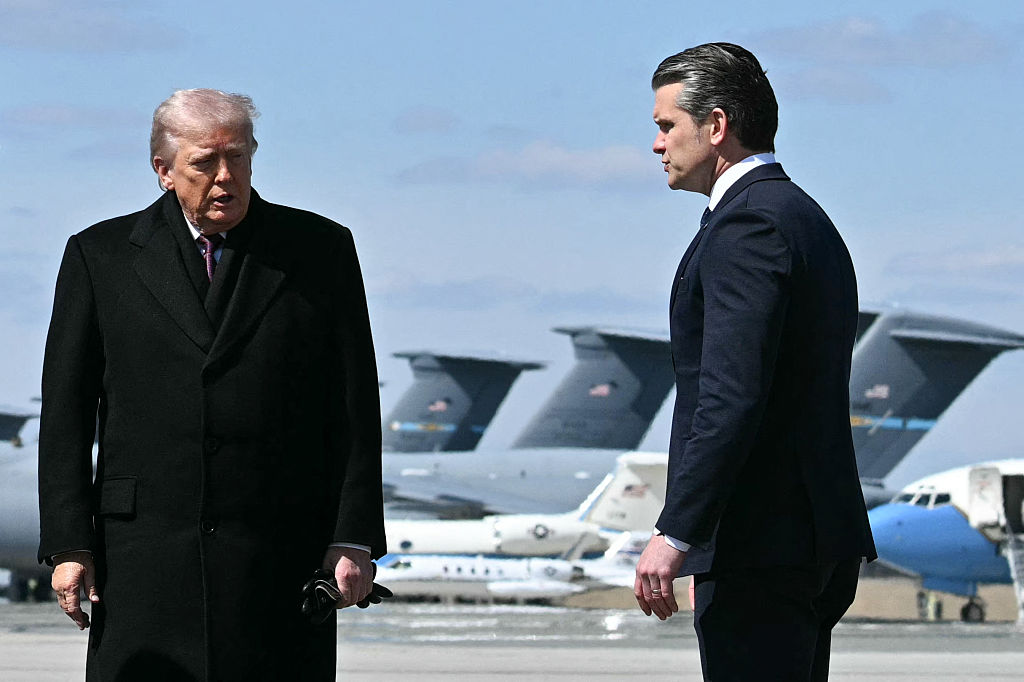
Despite the rhetoric, the military footprint in the region is expanding, not contracting. The USS Boxer carrier group, carrying thousands of Marines, departed California last week and will take roughly three weeks to arrive in theater. A separate group centered on the USS Tripoli — with approximately 2,000 Marines aboard — is already deployed. U.S. forces have deployed Apache attack helicopters and A-10 Warthog aircraft specifically to hunt Iranian fast-attack boats and drones in the Strait of Hormuz. U.S. Ambassador to the United Nations Mike Waltz said Sunday that "all options should be on the table" regarding potential strikes on Iranian power plants, language that directly echoes the 48-hour ultimatum Trump issued earlier this week threatening to "hit and obliterate" Iranian energy infrastructure.
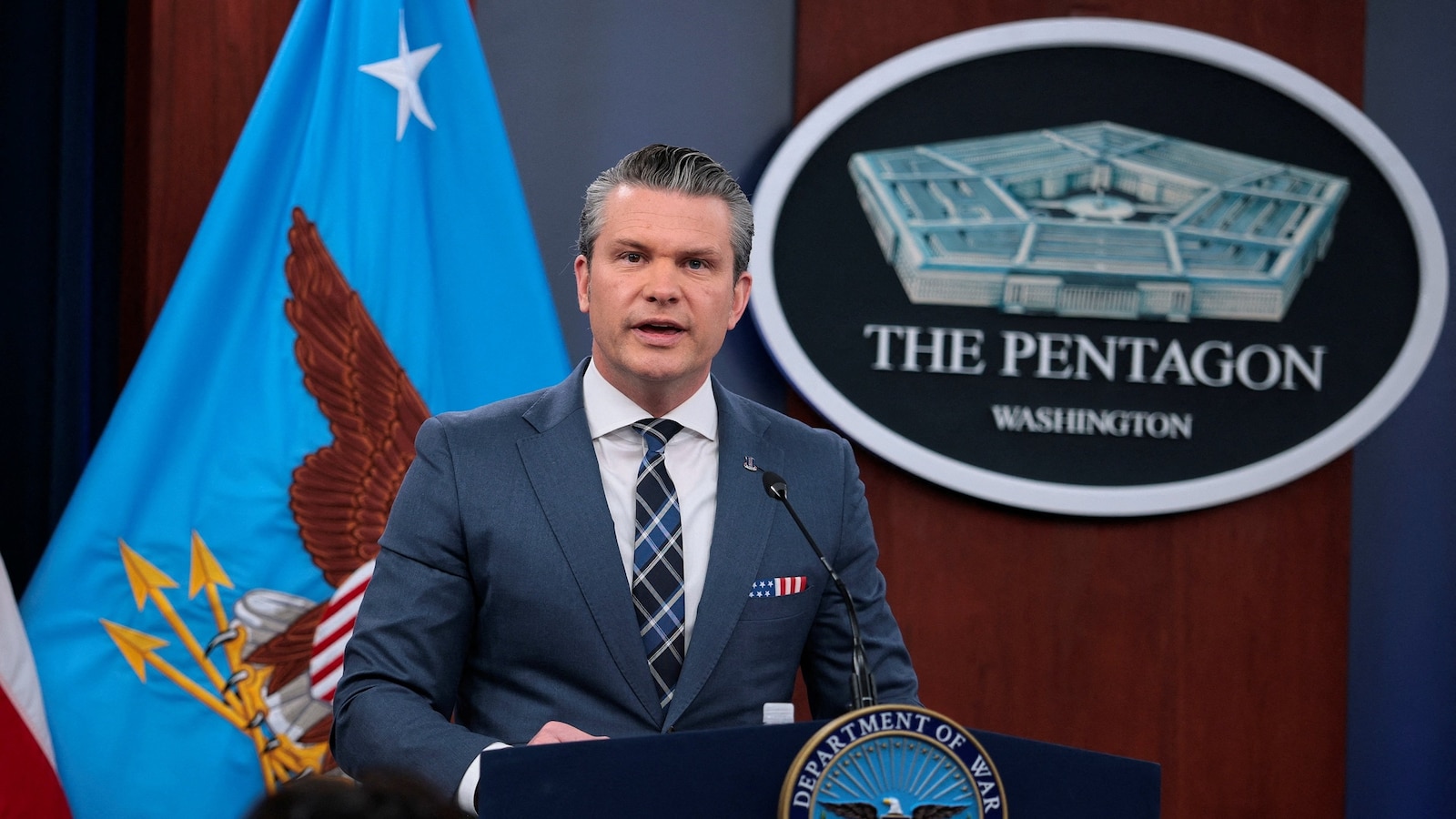
White House press secretary Karoline Leavitt declined to provide specific exit criteria when asked at Friday's briefing, saying only that the president's objective was to ensure the Strait of Hormuz "is never again used as a weapon against the free world." That framing implies a condition — the end of Iranian control over access to the waterway — that could take months or years to achieve and might ultimately require regime change in Tehran. Pentagon officials privately acknowledge that reopening the strait "is a problem without a clear solution" given Iran's vow to keep it closed until American and Israeli strikes on Iranian territory cease. The public has begun to reflect growing unease: a CBS News poll released this week showed a majority of Americans believe the war is going poorly, with 54 percent saying they disapprove of Trump's handling of the conflict.