California Hybrid Bees Show Remarkable Resistance to Deadly Varroa Mites
Southern California bees carry 68% fewer mites than commercial colonies and need five times less chemical treatment, offering hope for struggling beekeepers nationwide.
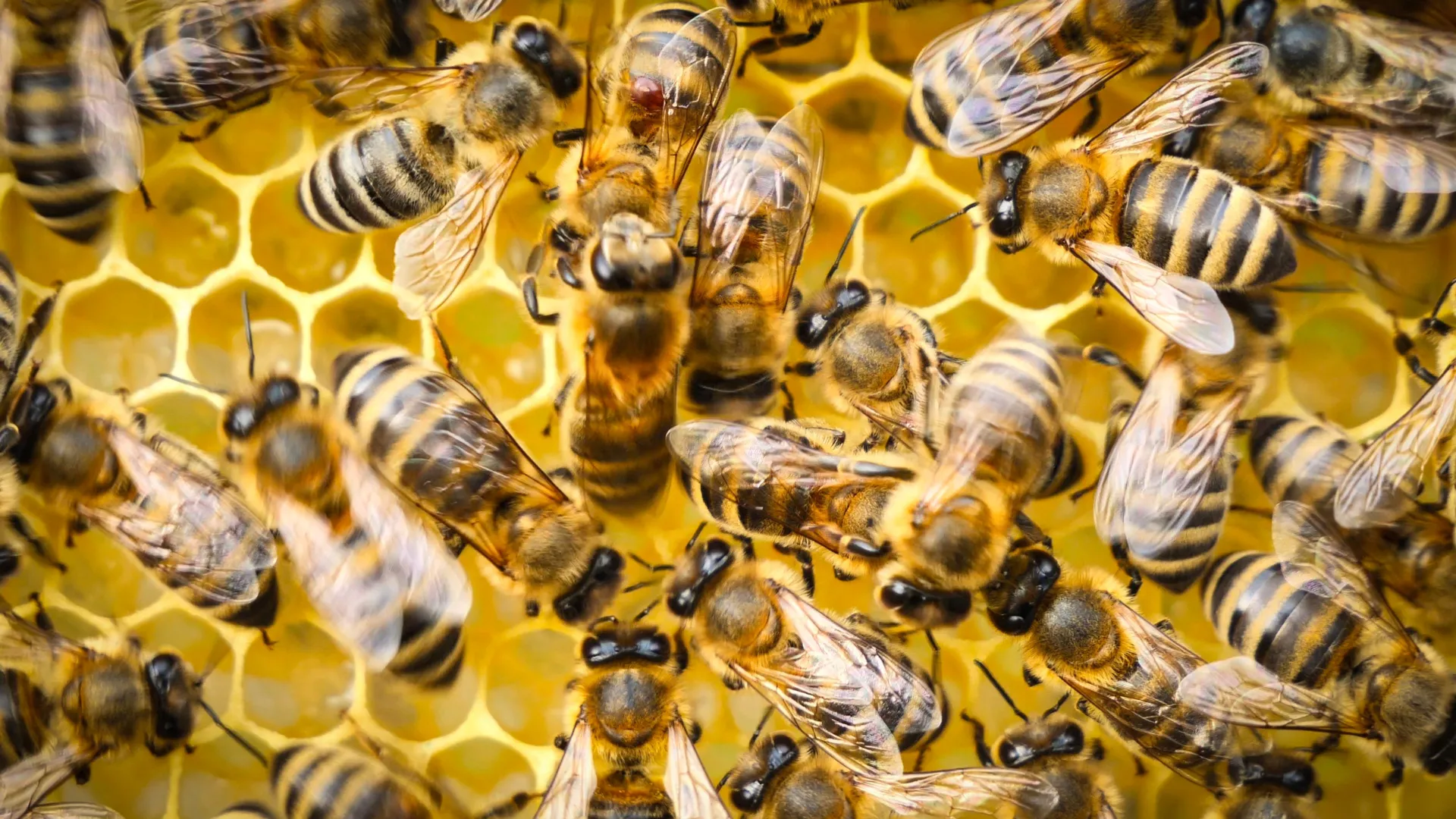
A unique population of hybrid honeybees thriving in Southern California is demonstrating remarkable natural resistance to Varroa mites, the devastating parasites responsible for massive colony losses across the United States. New research from UC Riverside shows these locally adapted bees carry approximately 68% fewer mites compared to commercial colonies and are more than five times less likely to require chemical treatment interventions. The findings, published in Scientific Reports, represent the first rigorous scientific demonstration that honeybees can naturally control mite populations without extensive human intervention.
The discovery comes at a critical time for American beekeepers, who reported losing as much as 62% of their managed colonies in 2025. These catastrophic losses threaten both agricultural production and natural ecosystems, as honeybees pollinate crops worth billions of dollars annually. Varroa mites weaken bees by feeding on their fat body tissue—an organ that functions similarly to human liver, pancreas, and immune system combined. The parasites also inject deadly viruses directly into bees' bloodstreams, including Deformed Wing Virus and Acute Bee Paralysis Virus.
The resistant California bees represent a naturally occurring hybrid population that combines genetic traits from at least four different honeybee lineages: African, Eastern European, Middle Eastern, and Western European varieties. These bees are not part of any commercial breeding program but instead originate from feral colonies that have survived in trees and other natural environments throughout Southern California. "We kept hearing anecdotally that these Californian honeybees were surviving with way fewer treatments. I wanted to test them rigorously and understand the driving force behind what the beekeepers were seeing," said Genesis Chong-Echavez, a UCR graduate student and lead author of the study.
Researchers tracked 236 honeybee colonies from 2019 through 2022, comparing performance between colonies led by locally raised hybrid queens versus those headed by commercially produced queens. The results consistently showed superior mite resistance in the hybrid population. Laboratory experiments revealed that the resistance begins early in development, with hybrid bee larvae proving less attractive to reproductive female Varroa mites. This suggests the bees have evolved behavioral or chemical traits that interfere with the mites' ability to detect and successfully parasitize developing bees.
The breakthrough offers potential pathways for developing more sustainable beekeeping practices that rely less heavily on chemical treatments. Current mite control methods often involve synthetic pesticides that can become less effective over time as mites develop resistance. The California hybrid bees demonstrate that natural selection can produce viable alternatives when bee populations are allowed to adapt to local environmental pressures over time. Researchers are now working to identify the specific genetic and behavioral mechanisms underlying the mite resistance, which could inform breeding programs and management strategies for beekeepers nationwide.