Artemis II Crew Halfway to the Moon, Share Stunning Earth Views — Lunar Flyby Set for Monday
The four-member Artemis II crew, now closer to the Moon than Earth on Flight Day 3, are sending back deep-space photographs of Earth while preparing for a historic lunar flyby and a record-breaking distance from home.
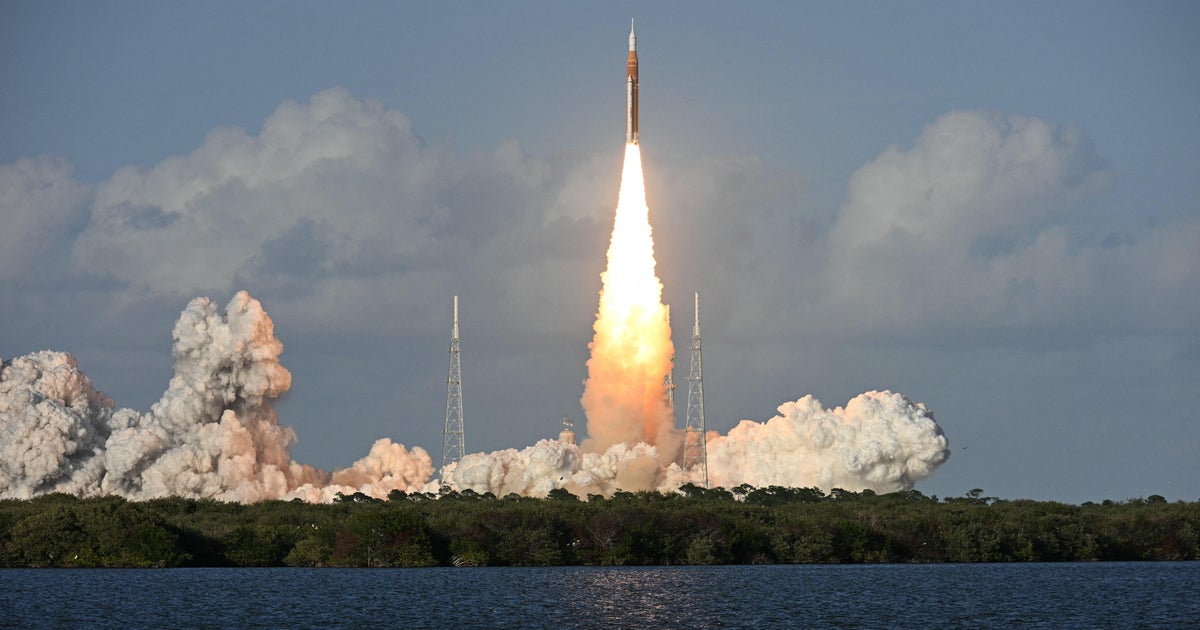
HOUSTON — The four astronauts aboard NASA's Orion spacecraft are now closer to the Moon than to Earth, having completed the critical engine burn that put them on course for the first human lunar flyby since Apollo 17 in 1972 — and Mission Specialist Christina Koch is already describing what it looks like to see the entire Earth as a small glowing sphere against the absolute blackness of deep space.
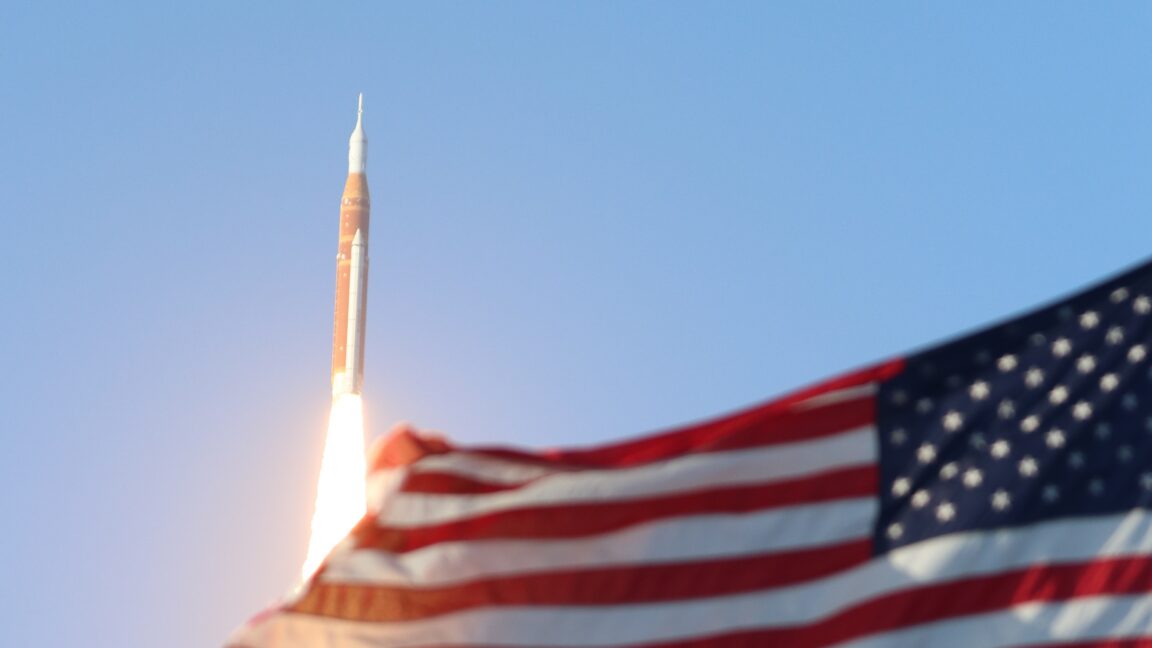
'You can see it both lit up bright as day and also the moon glow on it at night, with the beautiful beam of the sunset,' Koch said from inside the Orion capsule, in footage released by NASA on Friday. Commander Reid Wiseman described the launch and early mission as 'an amazing ride.'
The crew of Artemis II — Wiseman, Pilot Victor Glover, Koch, and Canadian Space Agency Mission Specialist Jeremy Hansen — completed the Translunar Injection burn at 7:49 p.m. EDT on Thursday, April 2. The Orion's main engine fired for 5 minutes and 50 seconds, consuming approximately 1,000 pounds of fuel and accelerating the spacecraft to the speed necessary to escape Earth's gravitational influence and coast on a free-return trajectory toward the Moon.
NASA released stunning photographs on Friday showing Earth as seen through the Orion capsule's viewport, with the crew members visible in the foreground. The images — some of the first to show human faces with the full Earth in the background since the Apollo program more than five decades ago — spread rapidly across social media, offering a rare moment of shared human wonder during a news cycle dominated by the ongoing war with Iran and its global economic fallout.
The mission carries historic distinctions for all four crew members. Victor Glover becomes the first person of African descent to travel beyond low Earth orbit. Christina Koch is the first woman to travel on a trajectory to the Moon. Jeremy Hansen is the first non-American citizen to undertake a deep space mission. Commander Wiseman, at 52, is the oldest person ever to leave Earth orbit.
The crew is scheduled to reach the Moon's vicinity on Sunday, April 5, with a planned closest approach — what NASA calls the lunar flyby — on Monday, April 6. During the flyby, the crew will have approximately six hours of observation windows, including a nearly one-hour period during which the Orion spacecraft will pass through the shadow of the Moon. During that window, the astronauts plan to observe the solar corona, ancient lunar craters, and the Moon's surface features from a perspective no human has had since December 1972.
The mission will also break the distance record set by Apollo 13 in April 1970, taking the crew to approximately 252,021 statute miles from Earth — the farthest any human being has ever traveled from the planet. The crew has been practicing lunar photography, checking out the AVATAR scientific payload, and conducting zero-gravity physical training using the Orion capsule's flywheel resistance device.
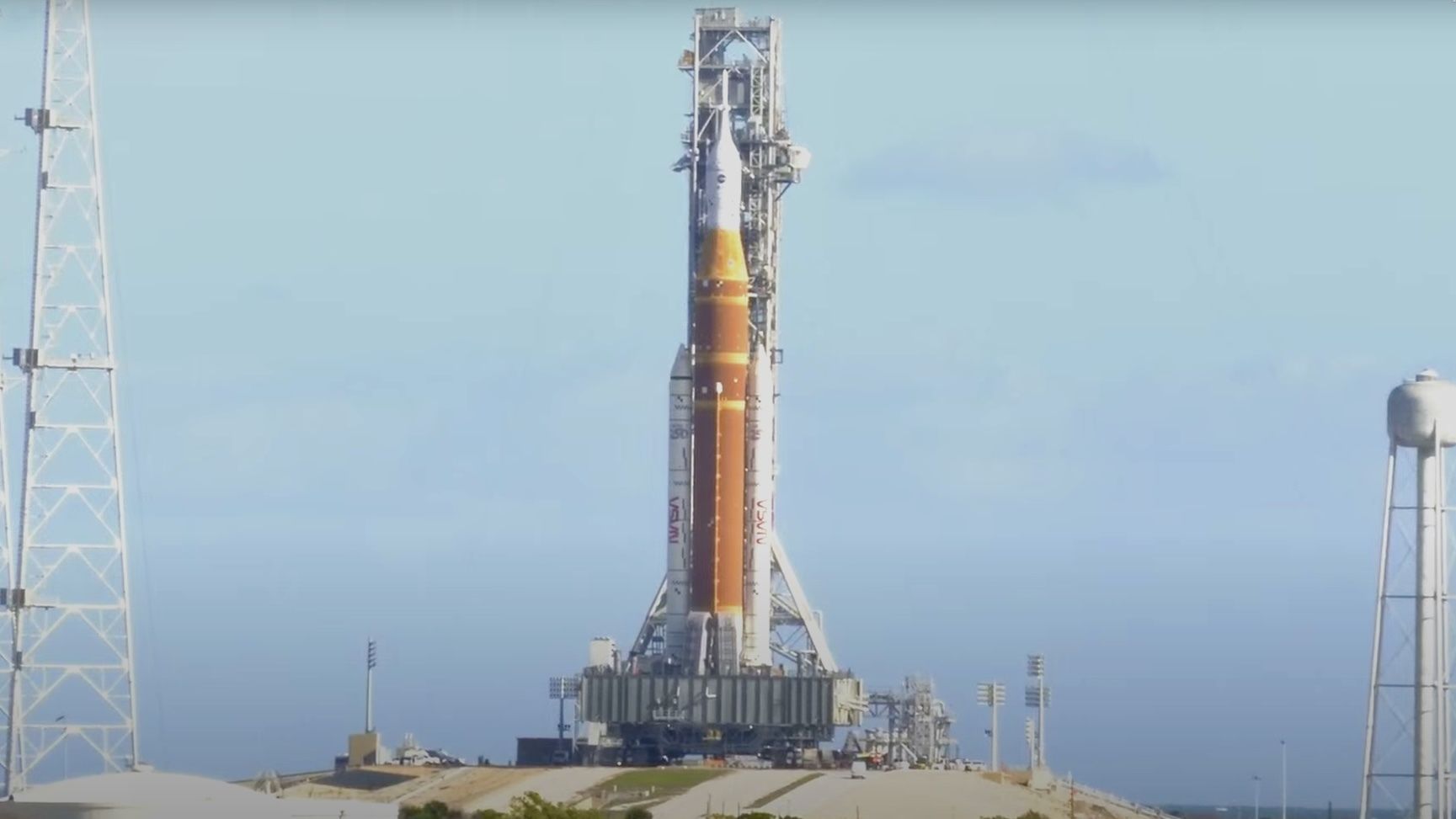
Artemis II will not land on the Moon — that task is reserved for Artemis III, which is planned for no earlier than 2027. The current mission's primary purpose is to test every system in the Orion spacecraft — life support, communications, navigation, thermal control, and crew habitation — in the deep space environment that Artemis III astronauts will depend on when they attempt to return safely from the lunar surface.
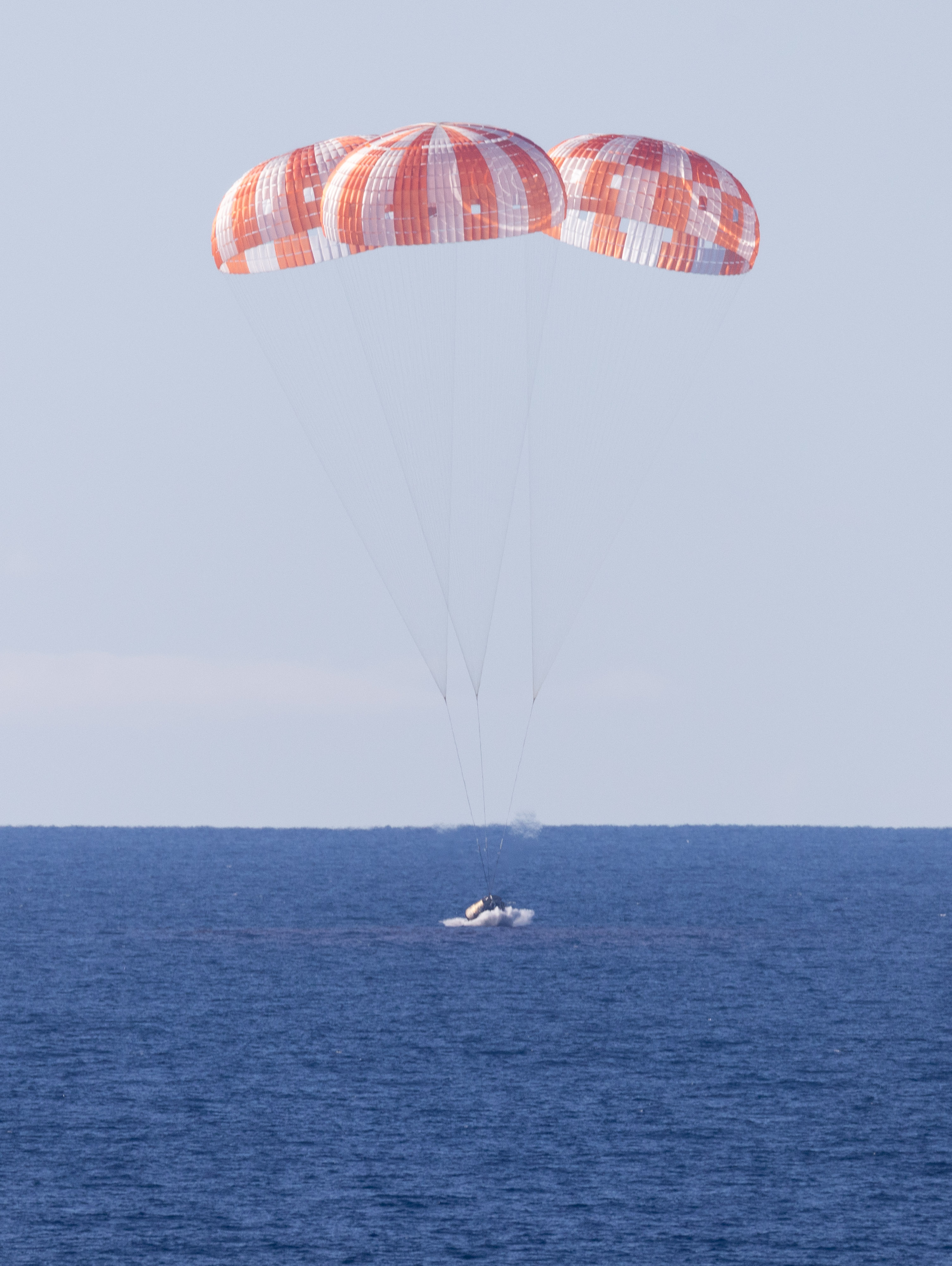
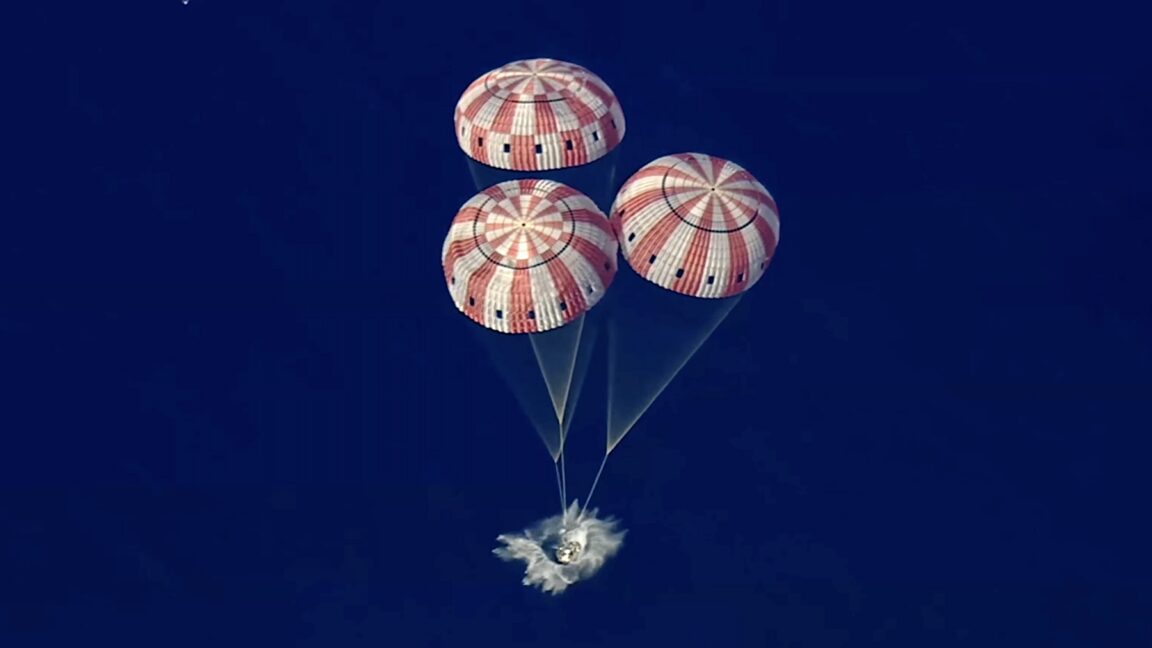
NASA flight controllers in Houston reported resolving a brief communications loss earlier in the mission caused by a Tracking and Data Relay Satellite configuration issue, which was corrected within hours without affecting spacecraft operations. Splashdown is scheduled for April 11 at approximately 12:06 a.m. GMT, with recovery operations in the Pacific Ocean off the coast of San Diego.