Al Sharpton Sizes Up Potential 2028 Democratic Presidential Candidates
Civil rights leader reflects on performances of 10 Democrats who spoke at his convention and explains why two did not attend.

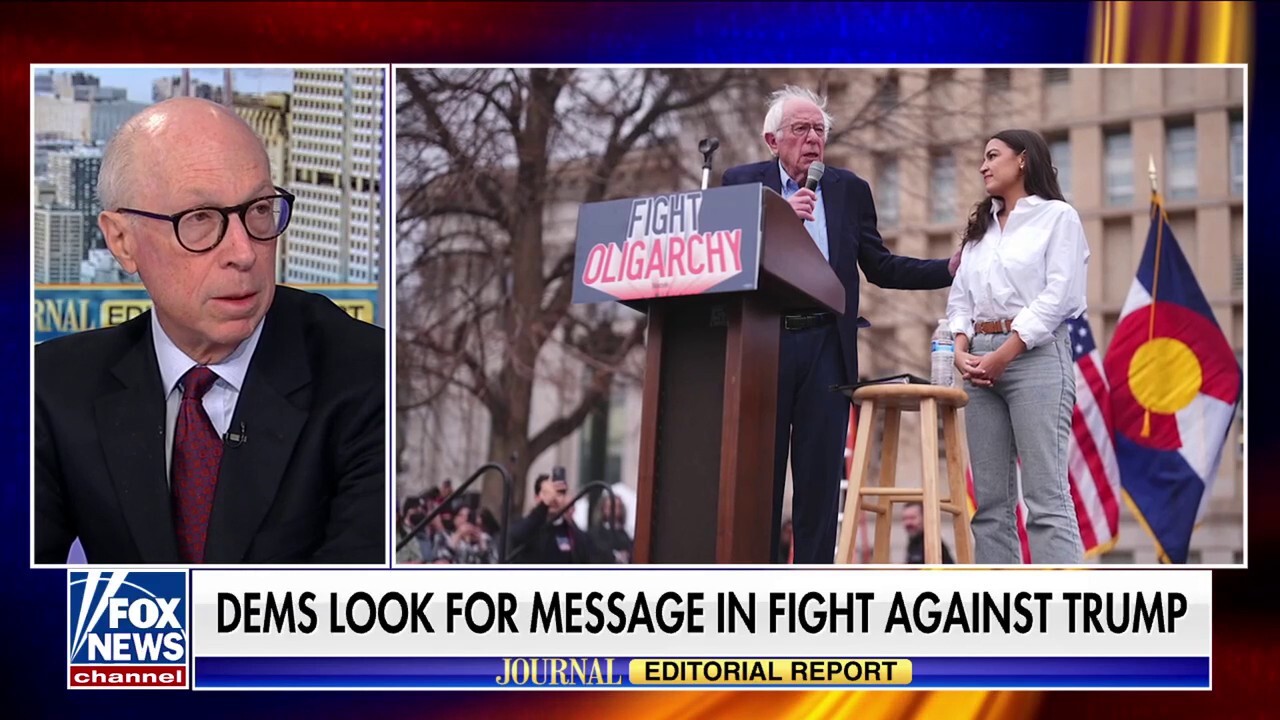
The Reverend Al Sharpton offered his assessment of the emerging 2028 Democratic presidential field following his recent convention, where 10 potential candidates made their pitches to a key constituency in the party's base. In an interview with The New York Times, the influential civil rights leader reflected on the performances of the Democratic hopefuls while providing insight into the early dynamics of the next presidential race, which is already taking shape despite being more than two years away.
Sharpton's annual National Action Network convention has become an important early testing ground for Democratic politicians with presidential ambitions, offering them a platform to address African American voters who represent a crucial demographic in the party's coalition. The event serves as both an opportunity for candidates to refine their messaging and for Sharpton to evaluate their readiness for a national campaign. His assessments carry significant weight given his role as a prominent voice in the civil rights community and his long history of involvement in Democratic politics.
The convention featured presentations from a diverse group of Democrats seeking to establish themselves as credible alternatives should President Trump decide not to seek reelection in 2028. Sharpton's evaluations focused on each candidate's ability to connect with the audience, their policy positions on issues affecting African American communities, and their overall readiness to lead a national campaign. The civil rights leader was particularly attentive to how candidates addressed issues of economic inequality, criminal justice reform, and voting rights.
Notably, Sharpton explained why two prominent Democrats chose not to participate in the convention, though he did not elaborate on the specific reasons in his public comments. The absence of these figures has sparked speculation about their political calculations and whether they view Sharpton's platform as essential for building support within the Democratic base. Political observers suggest that participation in such events often signals serious presidential ambitions.
The early positioning for 2028 reflects the Democratic Party's ongoing effort to rebuild and redefine itself following electoral setbacks. Sharpton's convention provides a window into how potential candidates are preparing to address the concerns of core Democratic constituencies while appealing to broader audiences. As one of the party's most experienced king-makers, Sharpton's early impressions could influence fundraising, endorsements, and media coverage as the 2028 race begins to take shape in earnest.