AI Technology Emerges as Game-Changer for Finding Lost Pets, Helping Families Reunite
Pet recovery success stories highlight artificial intelligence as a breakthrough tool in animal welfare, with advocates calling it "a real win."
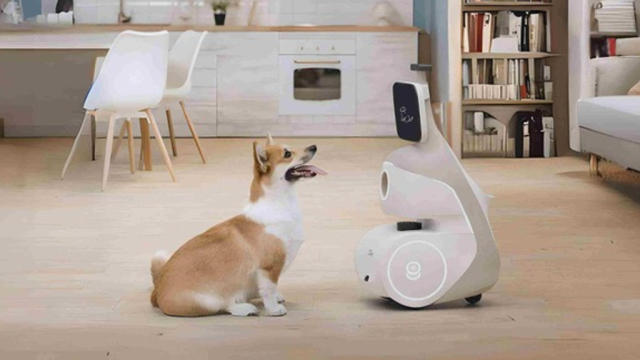
Artificial intelligence is transforming the way lost pets are found and reunited with their families, with new facial recognition technology designed for animals producing success rates that advocates say represent a genuine breakthrough in animal welfare. The technology, which analyzes unique physical characteristics of individual animals to match lost pets with found reports, has helped reunite thousands of pets with their owners in recent months and is being adopted by shelters, veterinary clinics, and rescue organizations across the country.
The AI systems work by creating detailed biometric profiles of animals based on photographs. For dogs, the technology analyzes features including the pattern of fur markings, ear shape, eye spacing, and nose print, each of which is unique to an individual animal in much the same way that fingerprints are unique to humans. For cats, the systems focus on facial structure, whisker pad patterns, and coat markings. When a pet is reported lost or found, its photograph is compared against a database of images, and potential matches are flagged for human review.
Several companies have developed competing platforms, but the underlying technology shares common roots in the deep learning algorithms that power human facial recognition systems. The adaptation of these algorithms for animal identification required training on millions of pet photographs to teach the systems to distinguish between individuals within breeds that can look remarkably similar to the untrained eye.
The results have been encouraging. One platform reported a match accuracy rate exceeding 90 percent under favorable conditions, meaning when clear photographs are available and the pet's appearance has not changed significantly since its profile was created. Even under less ideal conditions, such as when a pet has been groomed differently or has aged since its last photograph, the systems produce useful leads that significantly narrow the search.
Animal shelters have been among the earliest and most enthusiastic adopters of the technology. Shelters process millions of animals each year, and identifying whether an incoming animal is someone's lost pet has traditionally relied on microchip scanning and visual identification, both of which have significant limitations. Microchips must be registered and up to date, which many are not, and visual identification is subjective and unreliable. AI matching provides an additional layer of identification that can flag potential matches that human observers might miss.
The technology has also been embraced by pet owners, who can upload photographs of their animals to databases that are continuously scanned against new intake reports from shelters and found-pet listings. Several platforms offer smartphone apps that allow owners to create profiles for their pets and receive automatic notifications if a potential match is detected anywhere in the network.
Pet recovery organizations have noted that the technology is particularly valuable in disaster situations, when large numbers of animals are displaced simultaneously and the capacity of traditional identification methods is overwhelmed. During recent natural disasters, AI-powered matching platforms helped reunite animals with families who had been separated during evacuations, in some cases finding matches across state lines.
The technology does have limitations. It works best with clear, well-lit photographs taken at specific angles, and its accuracy decreases for animals with solid-colored coats that lack distinctive markings. Privacy advocates have also raised questions about the collection and storage of animal photographs, though these concerns have been less prominent than those surrounding human facial recognition.
Veterinarians and animal welfare experts have welcomed the technology as a complement to existing identification methods rather than a replacement for them. They continue to recommend microchipping as the most reliable form of permanent identification while encouraging pet owners to take advantage of AI platforms as an additional safeguard.