23 States Sue Trump Over Mail Voting Executive Order, Calling It Unconstitutional Power Grab
Led by California, a coalition of Democratic attorneys general filed suit in federal court to block the order that would restrict USPS mail ballot distribution ahead of the 2026 midterms.
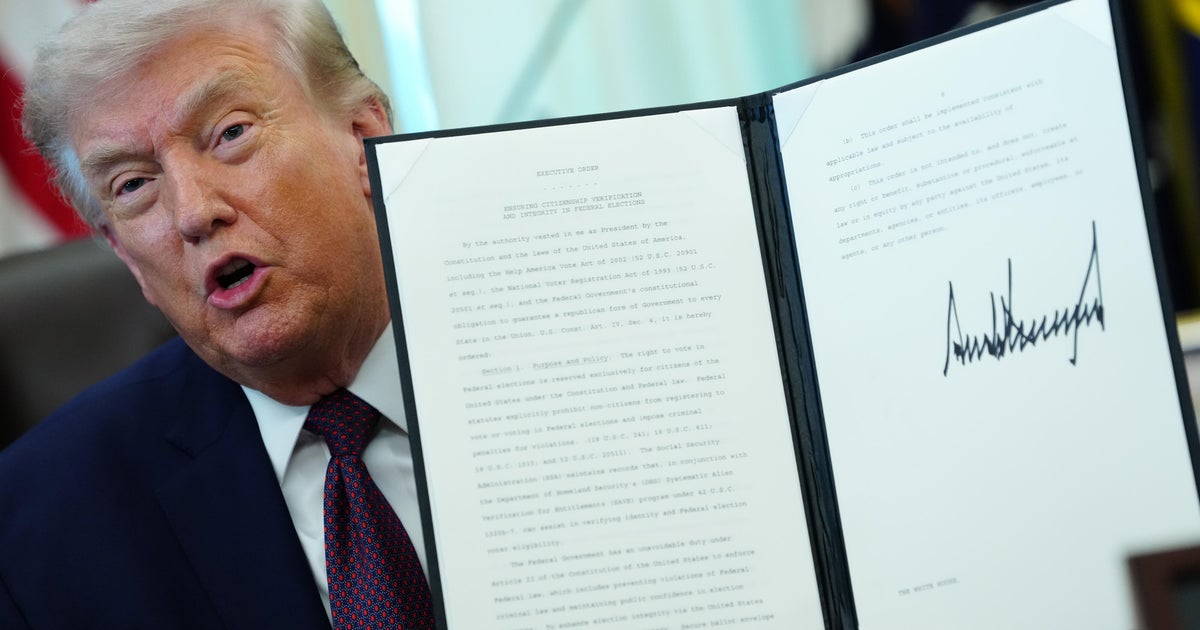
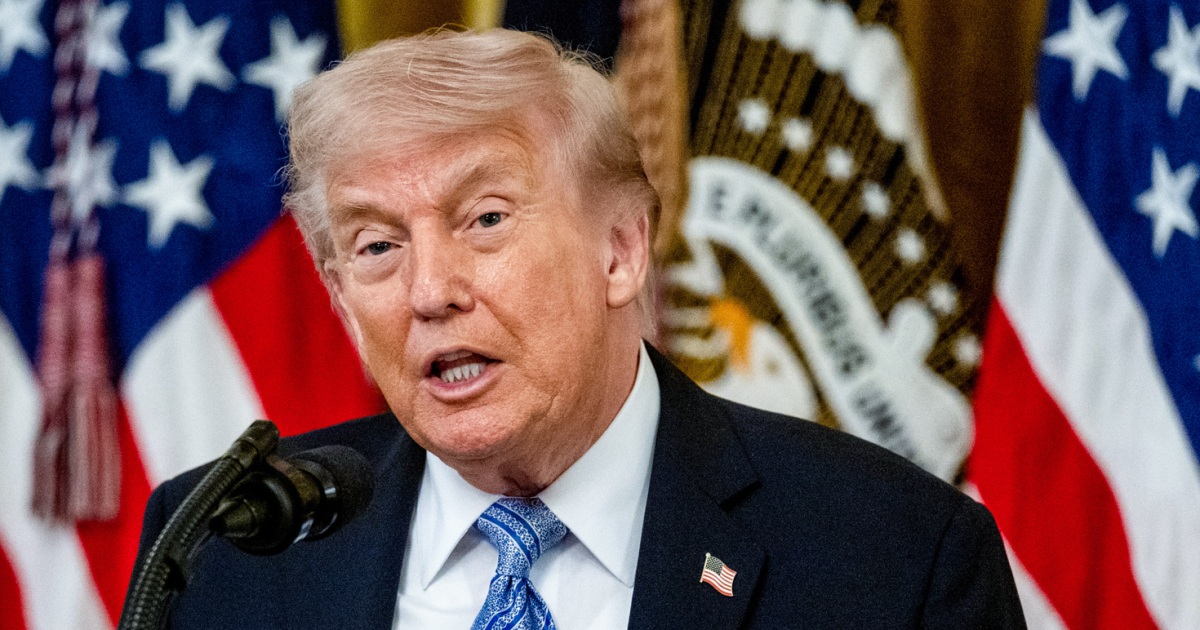
Twenty-three Democratic states and the District of Columbia filed suit Friday to block President Trump's executive order imposing new federal requirements on mail-in voting, arguing the directive unconstitutionally strips states of their authority over elections and could disenfranchise millions of voters heading into the 2026 midterms.
The lawsuit, filed in U.S. District Court in Massachusetts, was led by California and joined by attorneys general from across the country, including Josh Shapiro of Pennsylvania, Rob Bonta of California, and the attorneys general of Michigan, Wisconsin, Arizona, and 18 other states. It represents the latest — and largest — legal challenge to the executive order Trump signed on March 31, which had already drawn at least three separate lawsuits from voting-rights advocacy groups.
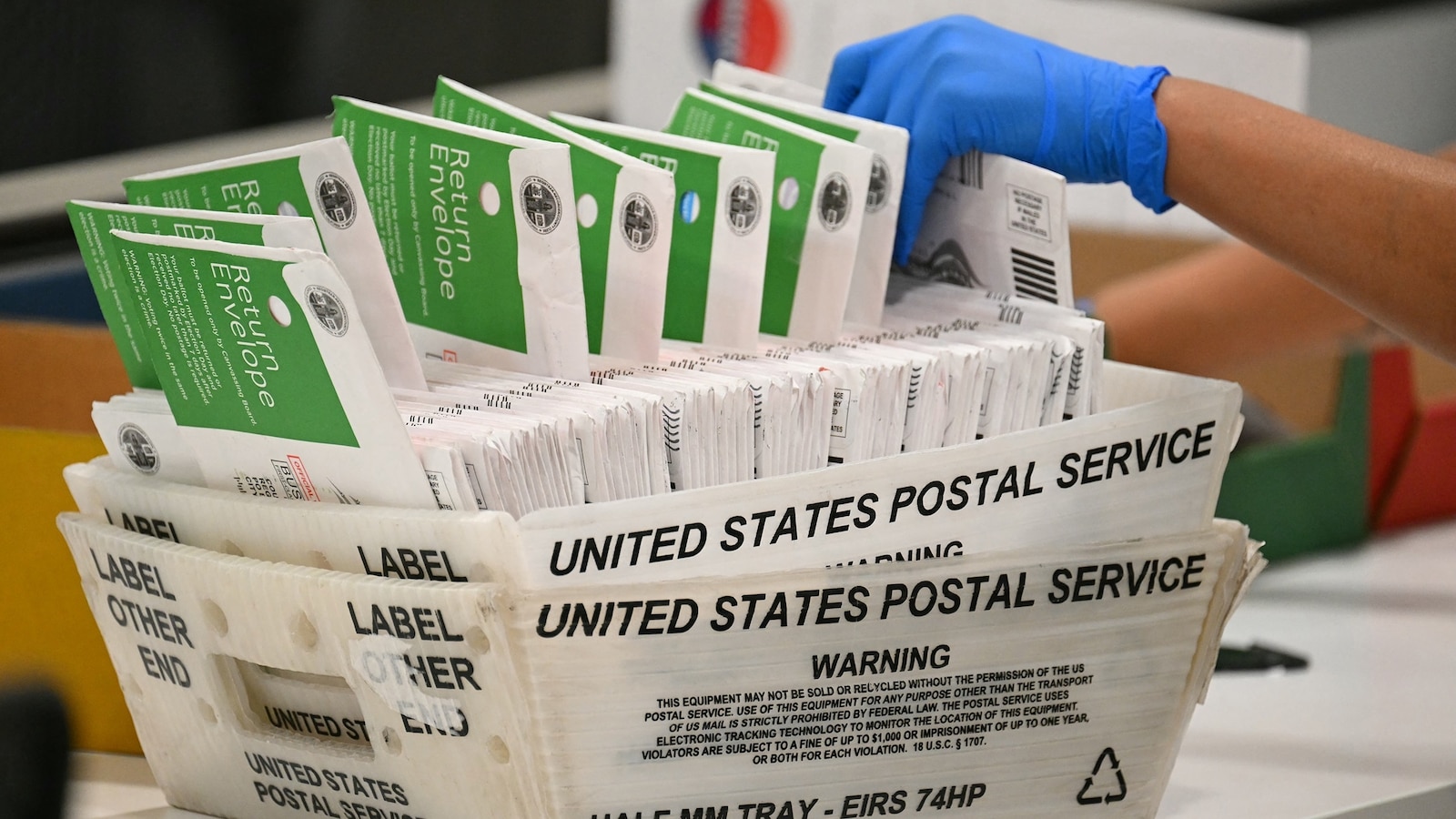
The executive order requires the Department of Homeland Security and the Social Security Administration to compile what it calls "State Citizenship Lists" of eligible federal voters, then mandates the U.S. Postal Service to send absentee and mail-in ballots only to voters who appear on those federal lists. The order also demands unique barcodes on mail ballot envelopes for tracking purposes and threatens states that do not comply with the loss of federal funding.
The states' legal brief argues the order violates the Constitution's Elections Clause, which reserves the authority to prescribe the "Time, Place, and Manner" of federal elections to the states and Congress — not the executive branch. "Neither the Constitution nor any federal law gives the President the power to mandate widespread changes to states' electoral systems," the filing states. The brief also invokes the Tenth Amendment, contending that the order "disregards States' inherent sovereignty."
States that rely heavily on mail voting stood to face particular disruption. Oregon, which has conducted all elections entirely by mail since 2000, and Washington and Colorado, which have similar systems, warned that compliance with the executive order would require rebuilding voter list infrastructure from scratch before the November 2026 midterm elections. State officials said the timelines were not feasible.
Trump signed the order days after a bipartisan congressional effort to pass new federal election integrity legislation stalled in the Senate. Supporters of the order argued it would reduce the potential for fraud in mail voting by tying ballot distribution to a federally verified citizenship list. Critics noted that documented mail voting fraud rates are extremely low — a comprehensive review of the 2020 election identified fewer than 475 fraudulent ballots cast by mail out of more than 25 million — and that the real effect would be to restrict access for voters who lack the documentation required to appear on DHS citizenship lists.
A federal judge in Massachusetts issued a temporary restraining order the same day the major lawsuit was filed, blocking enforcement of the executive order pending a hearing scheduled for the following week. That ruling was separate from the multistate action and was sought by a coalition of voting-rights organizations.
The White House said the order was fully lawful. Press Secretary Karoline Leavitt said the administration was confident it would prevail in court and dismissed the lawsuits as "partisan theater designed to enable voter fraud ahead of the midterms." Legal analysts said the constitutional question was genuinely close — while courts have generally been skeptical of executive orders that directly regulate elections, the administration had some precedent on its side in cases involving federal conditions attached to government funding.