Scientists Discover More Than 110 New Species in the Deep Coral Sea, Including Four New Sharks
A CSIRO deep-sea expedition used towed camera technology at depths of up to 3,000 meters to catalogue four new elasmobranch species and capture the first footage of a sand tiger shark actively hunting in the wild.
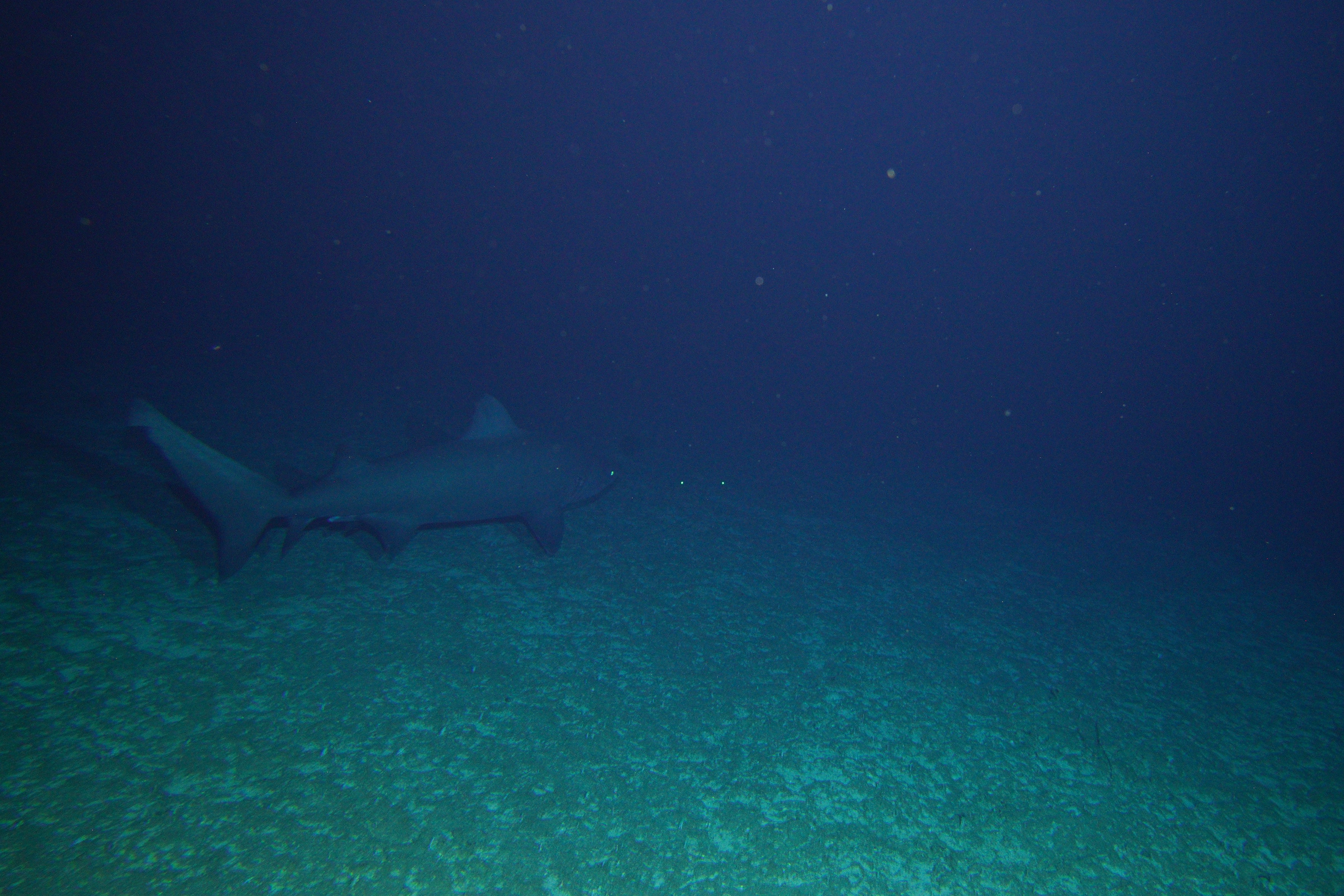
A deep-sea expedition conducted by Australia's national science agency CSIRO has returned with the discovery of more than 110 species new to science, including four previously unknown species of sharks and rays found in the depths of the Coral Sea. The expedition used towed camera technology to observe marine life at depths of up to 3,000 meters across seamounts and deep-water habitats that have rarely been surveyed, revealing an extraordinary diversity of life in one of the world's most biologically rich marine regions.
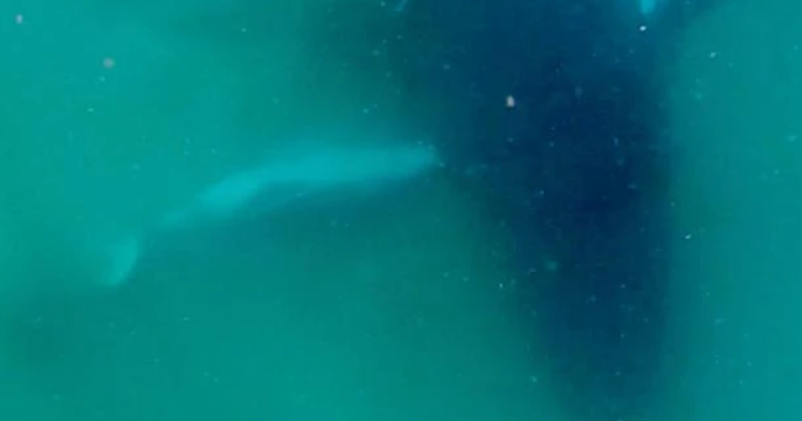
The four new elasmobranch species — the group that includes sharks, rays, and skates — include deep-water sharks from genera that have been poorly documented in the Australian region. The expedition's cameras also captured what researchers described as the first video footage ever recorded of a sand tiger shark actively hunting in its natural habitat. Sand tiger sharks are large, formidable predators that are frequently seen in aquariums and coastal waters, but observing their hunting behavior in the wild at depth had proven elusive to researchers until the CSIRO expedition's cameras captured the moment.
The survey covered sections of the Coral Sea Commonwealth Marine Reserve, one of the largest marine protected areas in the world, covering approximately one million square kilometers of the Coral Sea northeast of Queensland. Despite its vast size and protected status, the reserve's deep-sea habitats have been minimally explored, and the expedition's findings suggest that the biodiversity of the deep Coral Sea is far greater than previously known. Researchers used the RV Investigator, CSIRO's dedicated marine research vessel, equipped with sophisticated towed camera systems capable of transmitting high-definition imagery from great depths.
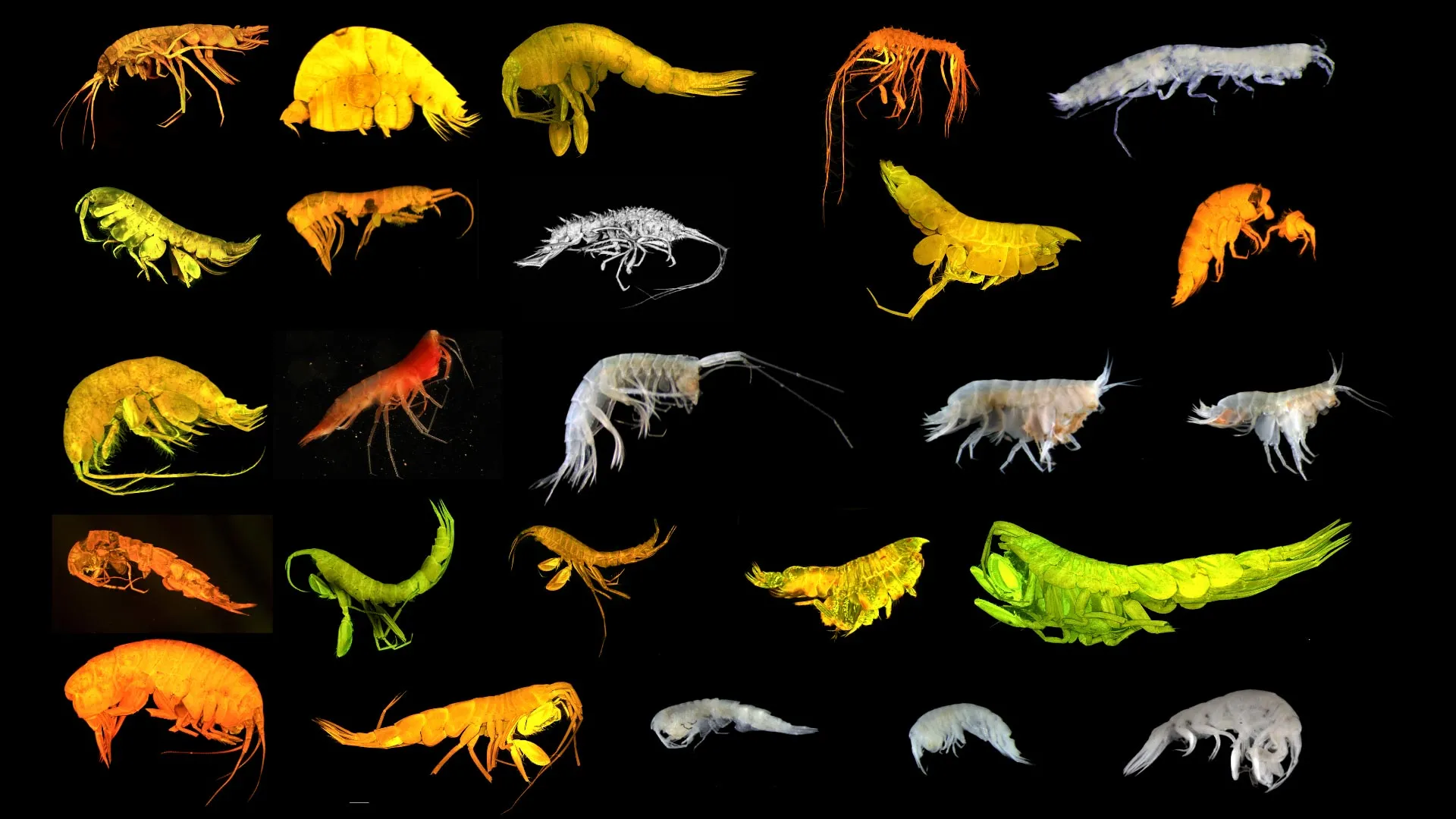
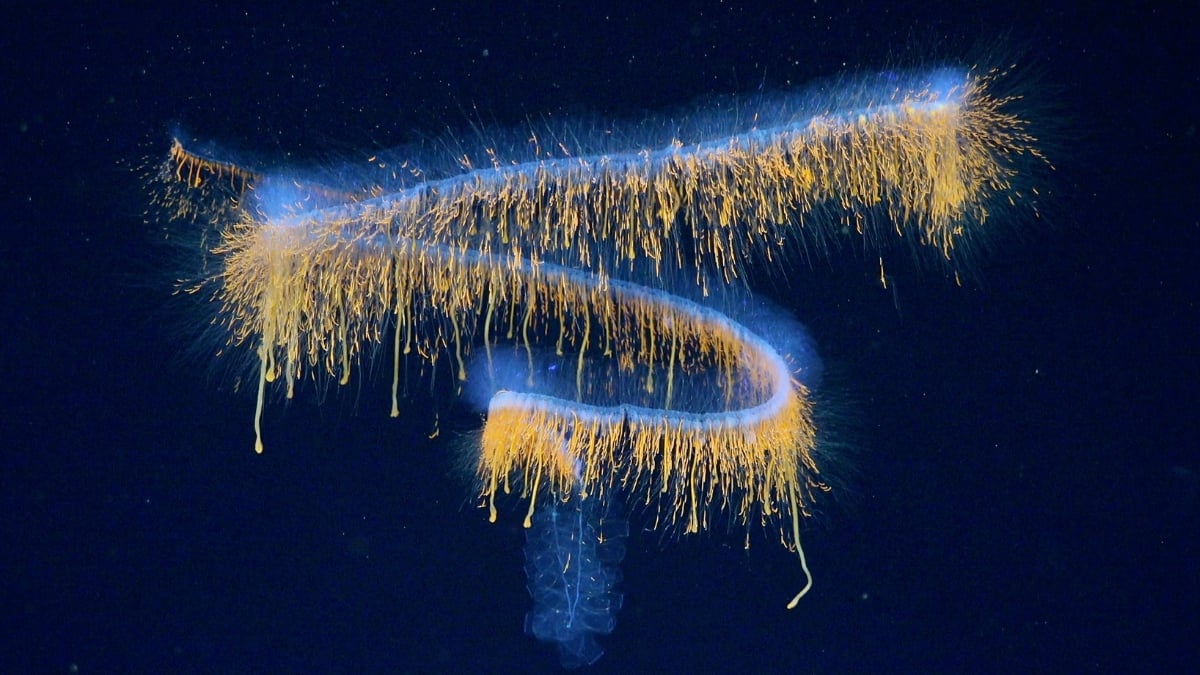
Beyond the sharks, the newly discovered species include deep-sea fish, crustaceans, mollusks, echinoderms, and various invertebrates adapted to the cold, dark, high-pressure environment of the deep ocean. Many of these species display the distinctive adaptations of deep-sea life: bioluminescence, greatly enlarged eyes sensitive to minimal light, and metabolic rates slowed by the cold. Researchers noted that the total number of new species discovered will likely increase as specimens are analyzed in laboratories over the coming months and years.
The CSIRO team emphasized that deep-sea ecosystems are among the least understood on Earth and face growing threats from climate change, fishing pressure, and potential deep-sea mining operations. Warming ocean temperatures are already affecting the distribution of deep-sea species, and the extraction of mineral resources from seamounts — which are disproportionately important as biodiversity hotspots — poses risks that scientists argue cannot be properly managed without better baseline knowledge of what lives there. The expedition's discoveries underscore how much remains to be learned about life in the deep ocean.