Warrantless Surveillance Powers Lapse for First Time as Pulte Fight Paralyzes Senate
Section 702, which intelligence officials call their single most valuable tool, expired at 12:01 a.m. June 12 after Democrats refused to renew it while Bill Pulte runs the spy agencies.
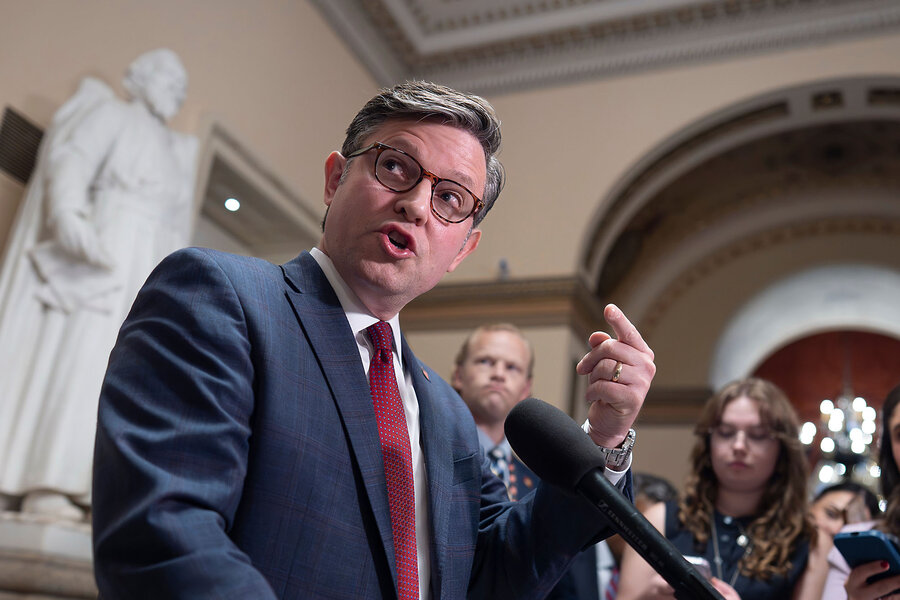
For the first time, one of the U.S. government's most powerful surveillance authorities has gone dark. Section 702 of the Foreign Intelligence Surveillance Act lapsed at 12:01 a.m. on Saturday, June 12, after Congress failed to renew it amid a bitter standoff over President Donald Trump's pick to run the nation's intelligence community.
Section 702 allows the government to monitor the communications of non-citizens located outside the United States without an individual warrant, sweeping up enormous volumes of foreign intelligence in the process. Officials regard it as indispensable: the National Security Agency reported in 2022 that 59% of the articles in the President's Daily Brief — the classified intelligence summary delivered to the president each morning — drew on information collected under the program.
The lapse is the culmination of a months-long fight. The authority first expired briefly on April 20 before lawmakers passed a 10-day extension, then ran out again last week. Senators had been moving toward a bipartisan reauthorization until Trump installed Bill Pulte, the Federal Housing Finance Agency director with no national-security experience, as acting director of national intelligence. Democrats then dug in, refusing to advance the bill unless the president reversed course.
"Somebody without a security clearance is going to get the keys to the whole intelligence community," Sen. Mark Warner of Virginia warned, calling Pulte's appointment "a bigger national security threat than FISA's expiration." Republicans were divided on how to respond. Sen. Rick Scott of Florida expressed optimism that a compromise was within reach, saying "there's probably a deal there," while libertarian-leaning Sen. Rand Paul of Kentucky was content to let the program expire absent sweeping reforms. Sen. Chuck Grassley of Iowa, the Judiciary Committee chairman, had earlier cautioned that letting the law lapse was "a gamble we can't afford to take."
The practical fallout may be slower than the political theater suggests. A certification approved by the Foreign Intelligence Surveillance Court in March 2026 technically permits existing collection to continue until March 2027, meaning surveillance has not abruptly stopped. But that window is finite, and no new targets can be added under fresh certifications while the statute is dead. "We've decided to run this experiment at a time when we have numerous very serious threats," said Adam Klein, former chairman of the Privacy and Civil Liberties Oversight Board, capturing the unease among national-security veterans watching a core counterterrorism tool become a casualty of a personnel fight.
Originally reported by The Christian Science Monitor.