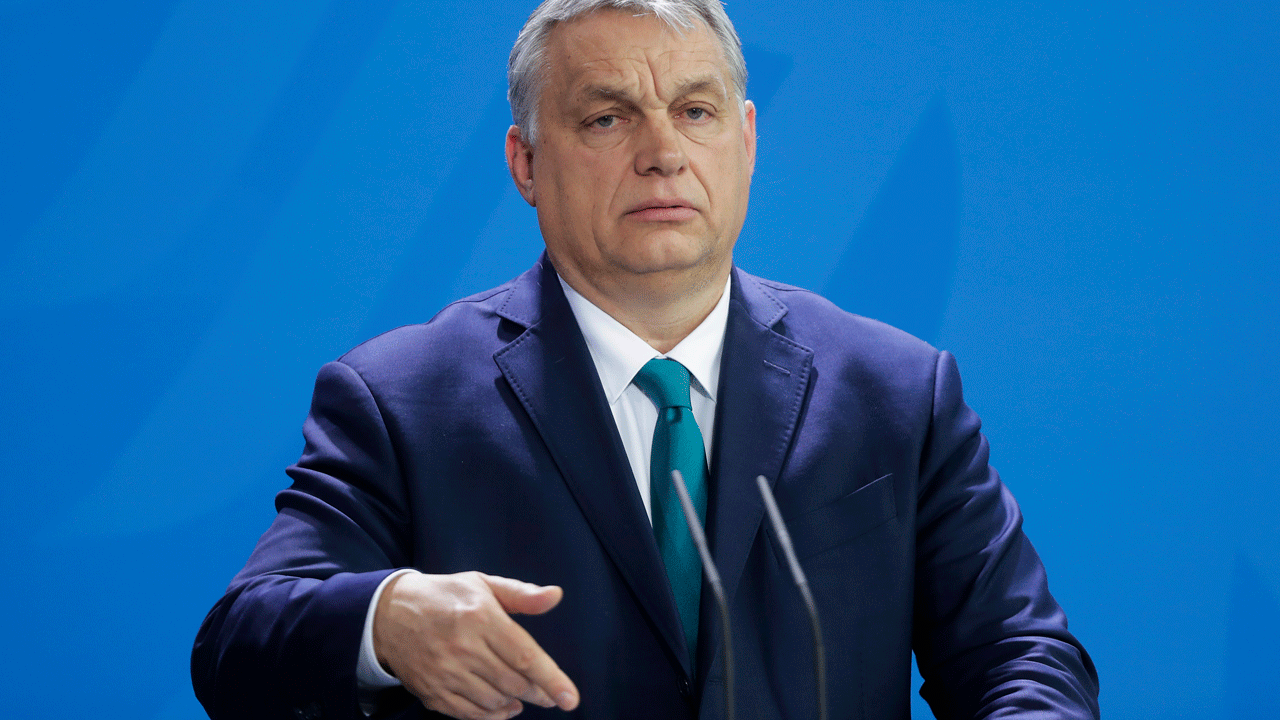
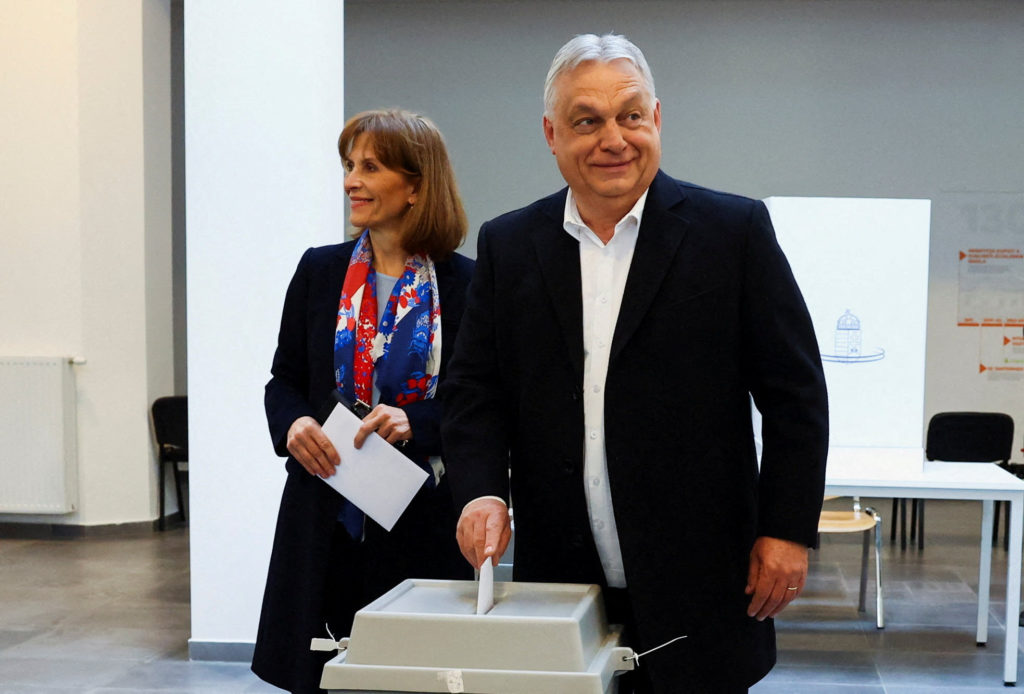
Vice President Vance Visits Hungary to Boost Orban Before Critical Election
The high-profile diplomatic visit underscores America's investment in Viktor Orban's political survival amid growing international isolation.
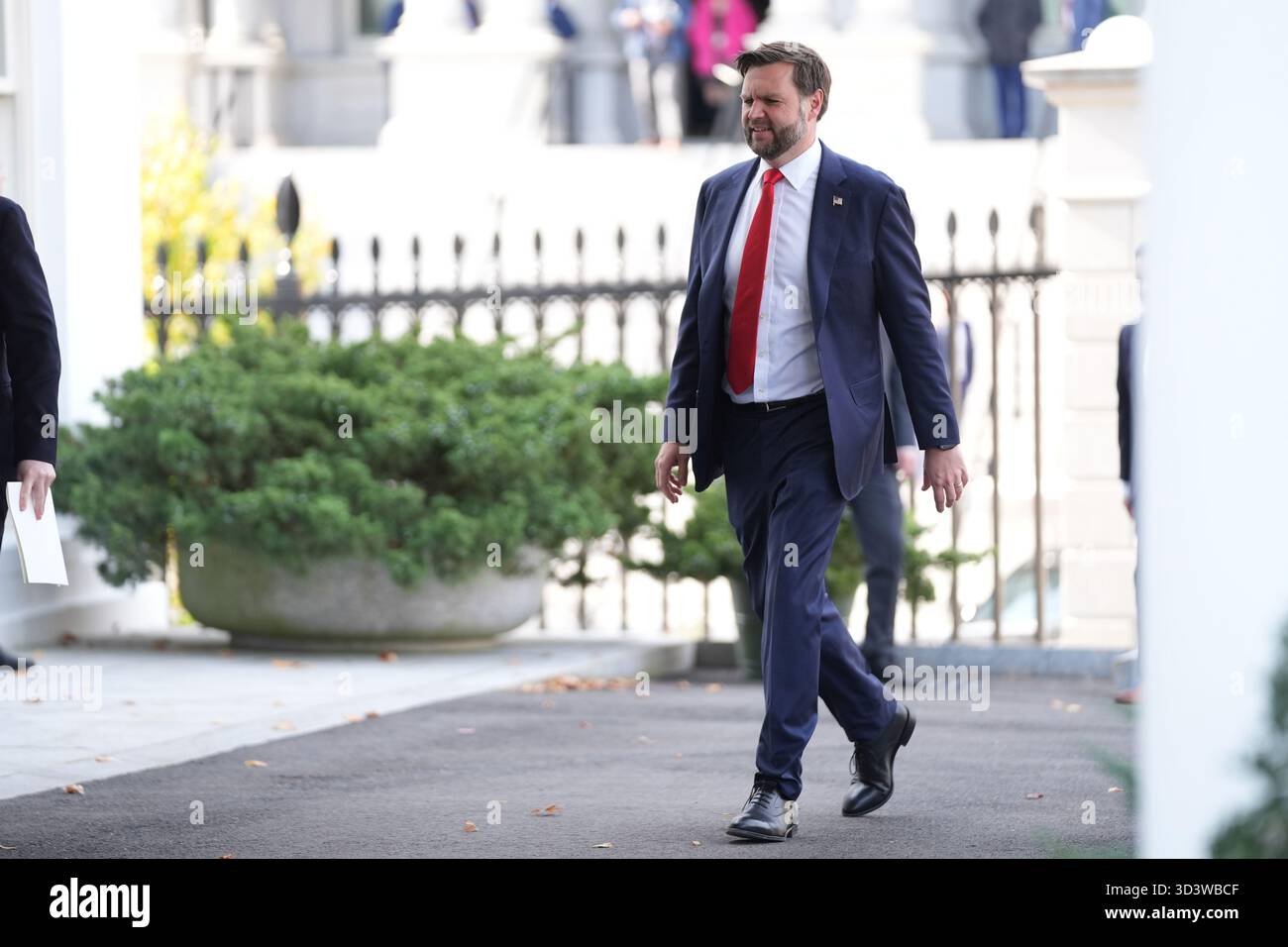
Vice President JD Vance arrived in Budapest for a high-profile visit designed to boost Hungarian Prime Minister Viktor Orban ahead of crucial upcoming elections, marking a significant diplomatic intervention that underscores the Trump administration's commitment to supporting the embattled European leader. The visit comes as Orban faces mounting pressure from European Union partners over his authoritarian governance style and his continued alignment with Russia despite the ongoing conflict in Ukraine. Vance's trip makes clear that Russia is not the only major power invested in ensuring Orban's political survival.
The timing of Vance's visit is particularly significant given Hungary's increasingly isolated position within the European Union and NATO. Orban's Fidesz party has faced criticism from EU institutions over democratic backsliding, judicial independence, and media freedom. European leaders have repeatedly clashed with Orban over his blocking of aid to Ukraine and his maintenance of close economic ties with Moscow. The Trump administration's decision to send the Vice President signals a dramatic departure from traditional U.S. policy of supporting democratic institutions within allied nations.
During his visit, Vance is expected to meet with Orban and other senior Hungarian officials to discuss strengthening bilateral relations and expanding economic cooperation. The Vice President's itinerary includes stops at key Hungarian institutions and meetings with business leaders, designed to demonstrate American confidence in Orban's leadership. The visit also serves to validate Orban's narrative that he represents a legitimate alternative model of governance within the Western alliance.
The diplomatic mission reflects the Trump administration's broader strategy of aligning with populist and nationalist leaders worldwide, even when their policies conflict with traditional democratic norms. Orban has been a vocal supporter of Trump's approach to immigration, trade, and sovereignty issues, making him a natural ally for the current administration. The relationship has deepened as both leaders have faced criticism from establishment political figures in their respective regions.
The visit is likely to further strain U.S. relations with other European allies who view Orban's governance as a threat to democratic institutions. European Council President and other EU leaders have expressed concern about American support for what they characterize as authoritarian tendencies within the alliance. Vance's trip represents a calculated risk by the Trump administration to prioritize ideological alignment over traditional diplomatic considerations, potentially reshaping America's relationships across Europe.