Venezuela, Three Months After Maduro: Prisoners Released, Diplomacy Restored — But Authoritarian Structures Intact
Since the U.S. captured Nicolás Maduro in January, Venezuela has freed 659 political prisoners and restored ties with Washington — but the same repressive institutions that defined his rule remain in place.
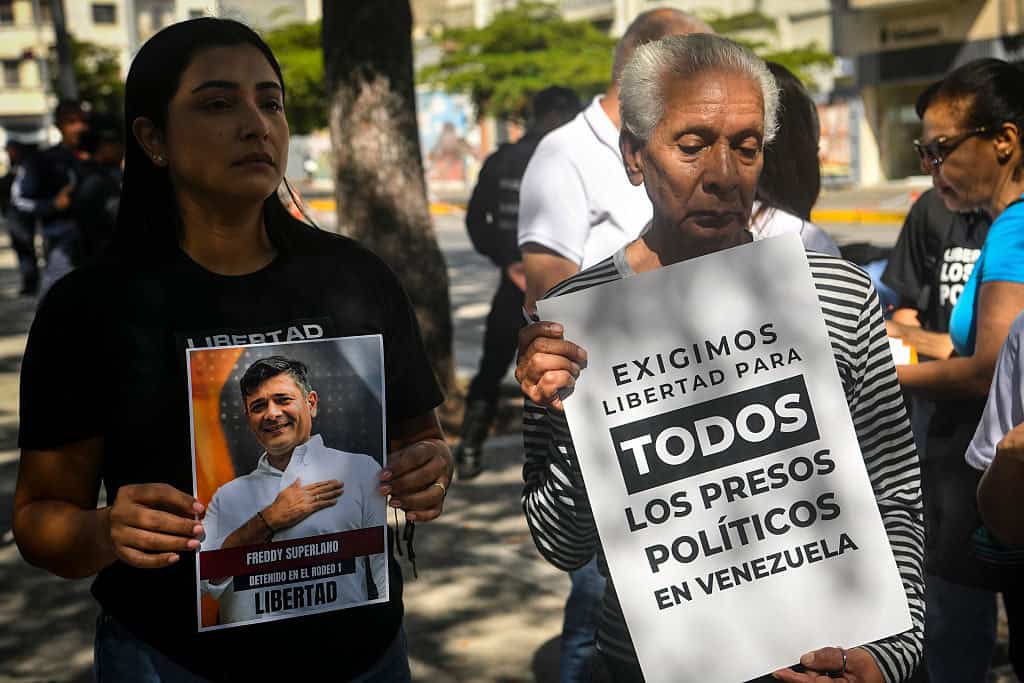
CARACAS — Three months after a team of roughly 200 U.S. special operations forces captured Venezuelan President Nicolás Maduro at his Caracas residence in Operation Absolute Resolve, Venezuela is experiencing something that long seemed impossible: open political debate on its streets, a trickle of released prisoners, and the first diplomatic contact with Washington in years. But analysts warn the country remains far from a genuine democratic transition.
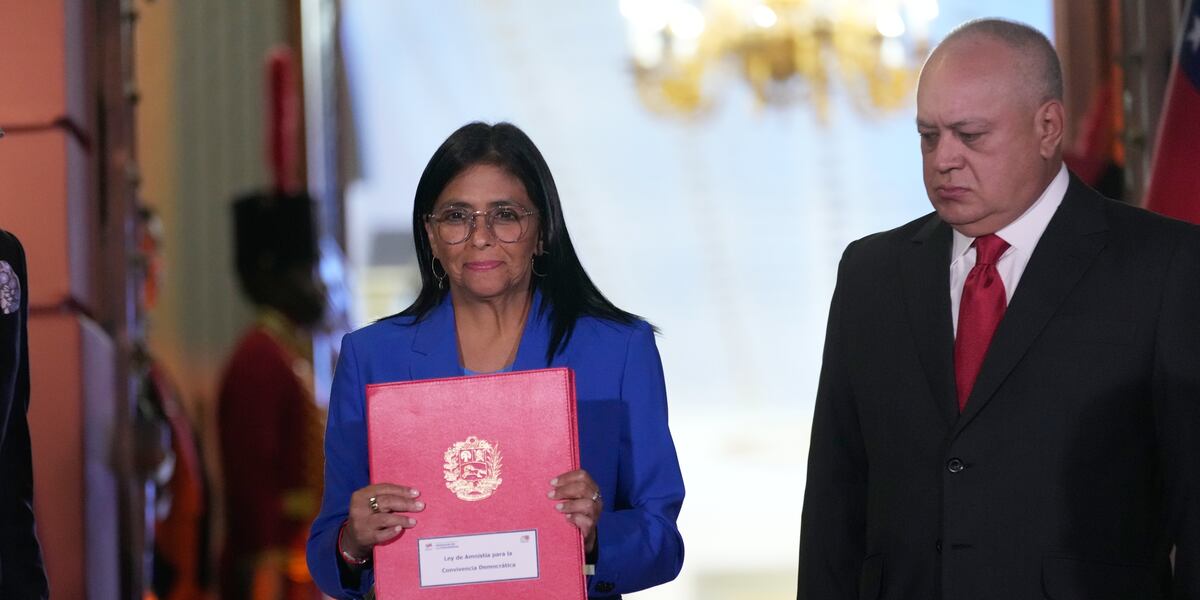
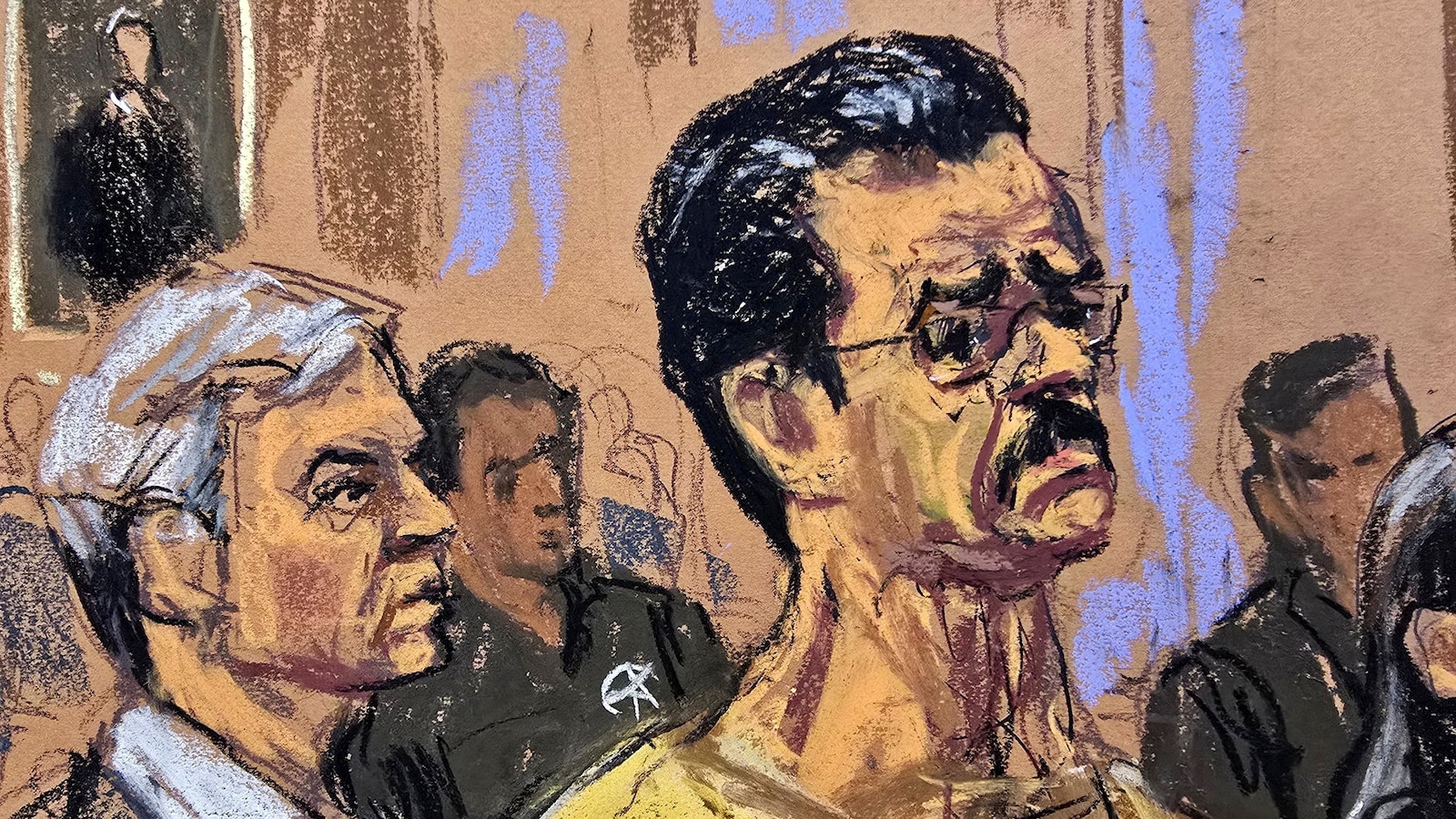
Since Maduro's capture on January 3, 2026, and his subsequent arraignment on narcoterrorism charges in a Manhattan federal court — where he pleaded not guilty alongside his wife, Cilia Flores — at least 659 political prisoners have been released, according to human rights organizations tracking the situation. The releases, which accelerated after an amnesty law passed by the National Assembly on February 19, 2026, included journalists, opposition politicians, labor leaders, and human rights defenders imprisoned under Maduro's rule. Ordinary Venezuelans have begun openly discussing politics in cafes and public squares in ways that would have risked arrest a year ago.
Yet the same authoritarian institutions that enabled Maduro's rule remain largely in place. Repressive laws criminalizing dissent have not been repealed. The Maduro-era judiciary continues to function with limited independence from the executive. Political disqualifications that have long blocked opposition leaders from running for office remain on the books. And armed pro-government colectivos — paramilitary groups that have for years enforced social control in poor urban neighborhoods — continue to operate across Caracas and other cities.
'The transition has not truly begun,' said one Venezuelan political analyst who requested anonymity out of concern for personal safety. 'What we have is adaptive authoritarianism — the same system reshuffling its leadership without dismantling its structures.'
Acting President Delcy Rodríguez, who was Maduro's vice president and assumed executive powers after his capture, has shuffled the cabinet and military leadership while carefully managing the government's public messaging. The administration has allowed some opposition activity and has not moved to shut down independent news outlets that have cautiously resumed reporting in recent weeks. But the arrests of civil society figures have not stopped, and the case of opposition politician Juan Pablo Guanipa — freed from prison only to be abducted by armed men hours later before eventually being returned unharmed — illustrated the dangers that activists continue to face.
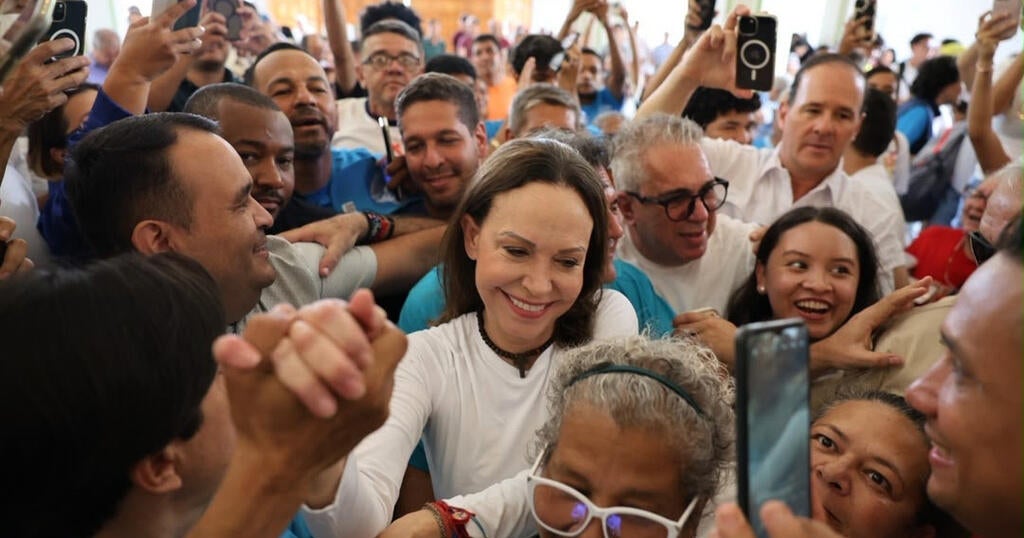
Washington and Caracas formally restored diplomatic relations on March 5, 2026, as part of a broader agreement that included Venezuelan cooperation in Maduro's detention proceedings and access for U.S. diplomatic personnel. The United States has publicly expressed support for free elections within a year. Opposition leader María Corina Machado, speaking to Politico magazine, said elections could be organized within nine to ten months using manual — not electronic — voting systems, which she said were harder to manipulate.
Machado, who has remained in Venezuela despite years of government persecution, is widely regarded as the opposition's most popular figure and a potential candidate in any forthcoming vote. Her continued freedom of movement since January has been seen by analysts as one of the clearest signals that the political environment has genuinely shifted.
Maduro himself is scheduled for continued proceedings in the Manhattan federal court where he was arraigned on January 5, 2026. U.S. prosecutors are pursuing narcoterrorism charges that could carry a potential life sentence. The spectacle of Maduro — who for years presented himself as a bulwark against American imperialism — appearing in a U.S. courtroom has been followed closely on Venezuelan television, with reactions ranging from disbelief to satisfaction.
For the millions of Venezuelans who spent the past decade living under chronic shortages, political repression, and hyperinflation that drove more than seven million people to emigrate, the question is whether the changes now visible on the surface will translate into a genuinely free and fair political future. Most analysts say that question will not be answered until elections are held — and until those elections prove to be real.