Iran War Created a Global Natural Gas Shortage — and a Massive Windfall for U.S. LNG Exporters
With Qatar's LNG facilities damaged and the Strait of Hormuz blockaded, American energy companies are booking record exports and logging stock gains of up to 30% since the war began.
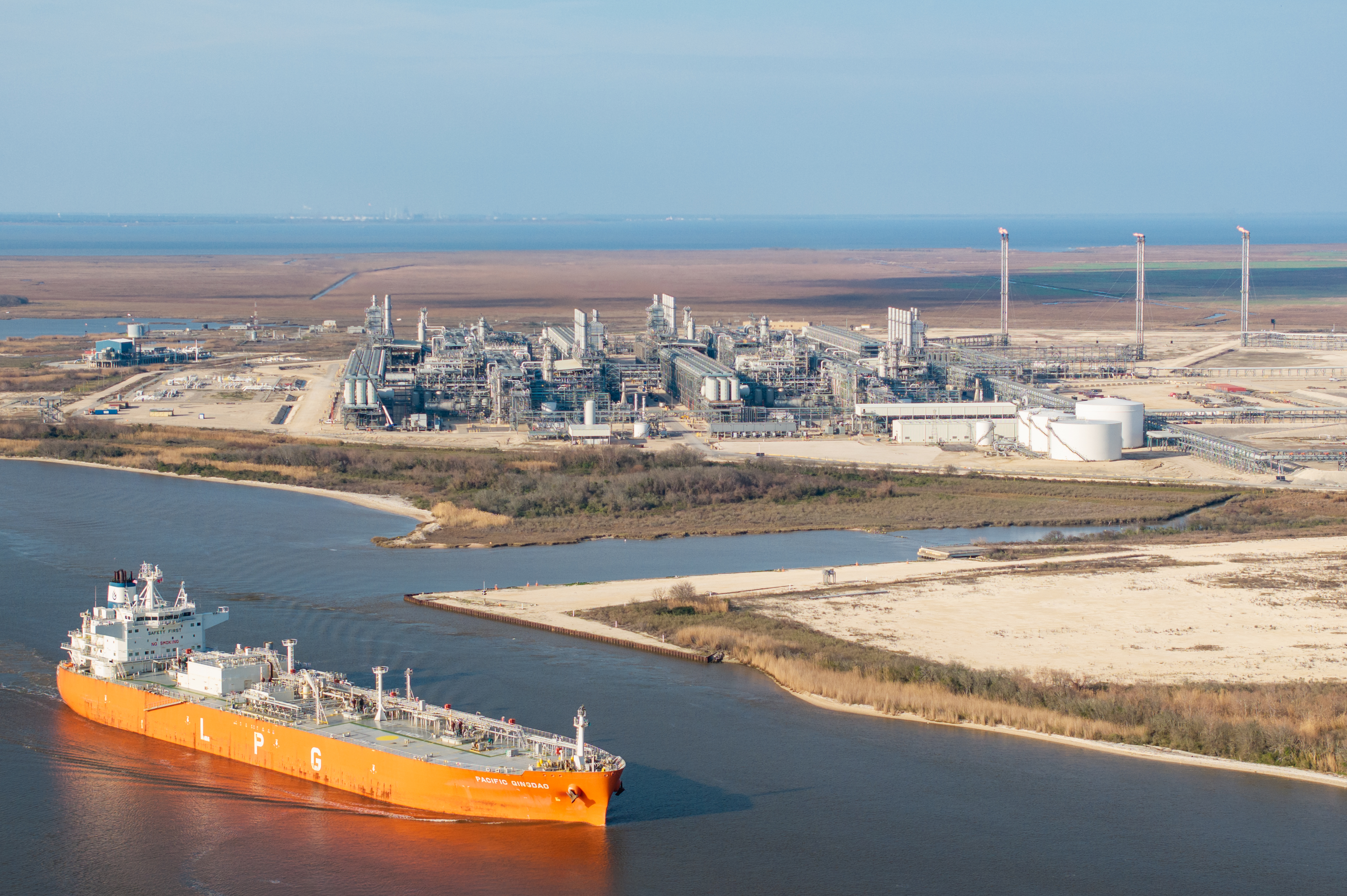
The Middle East war has roiled global energy markets and upended geopolitics — but it has also created an unexpected winner: American liquefied natural gas companies, which are booking record export volumes, locking in lucrative long-term contracts, and watching their stock prices surge as Qatar, the world's second-largest LNG supplier, sits largely offline and unable to compete.
The disruption began in late February, when U.S. and Israeli airstrikes early in the Iran conflict damaged QatarEnergy's massive LNG liquefaction facilities near Ras Laffan. Qatar normally supplies roughly one-fifth of the world's liquefied natural gas, channeled out through the Strait of Hormuz to Asia, Europe, and beyond. Energy experts told NPR it could take several months to repair the most critical components, with a return to full production capacity potentially taking years. The timing of the damage — and the subsequent U.S. naval blockade of the Strait of Hormuz that began Monday — has effectively locked Qatar out of the global market at the precise moment that Asian and European buyers are scrambling for alternative supplies ahead of summer cooling and industrial demand surges.
The financial results for U.S. companies have been dramatic. Natural gas is selling domestically for around $3 per million British thermal units (MMBtu), while clearing in Asian spot markets at roughly $20 per MMBtu — nearly a seven-fold price spread that generates enormous profit margins on every shipment that leaves an American export terminal. Cheniere Energy, the United States' largest LNG exporter, has seen its stock rise approximately 10% since the war began. Woodside Energy gained about 20%, and Venture Global — a newer entrant that recently completed its IPO — has surged roughly 30% since the conflict started. Venture Global simultaneously secured $8.6 billion in new financing for a Louisiana expansion project at unusually favorable terms, reflecting lender confidence in the company's long-term revenue visibility. Cheniere completed a new terminal section near Corpus Christi, Texas, in late March specifically to capitalize on the expanded export opportunity.
The United States set a record for LNG exports in March 2026, and S&P Global Energy projects that total U.S. LNG supply will grow approximately 84% over the next five years. Energy Secretary Chris Wright told industry leaders at the CERAWeek conference in Houston earlier this year: "We have a shortage of natural gas. Where is that natural gas gonna come from? It's gonna come from continued ramps, continued investments to grow United States LNG exports." Cheniere's chief commercial officer described the situation using striking language, calling the Hormuz disruption a "guillotine issue" that severed a key competitor's output while leaving U.S. export terminals — all located on the Atlantic and Gulf coasts, thousands of miles from the conflict zone — entirely unaffected.
Not everyone views the windfall uncritically. Environmental analysts are raising alarms about what they call the war's "dirty energy rebound": as LNG prices spike globally, developing economies in Southeast Asia — including the Philippines, Vietnam, and Thailand — are reverting to coal, which burns dirtier and emits more carbon dioxide per unit of energy. Pakistan has taken a counterintuitive path, actually cutting LNG imports by accelerating solar and battery storage deployment, a trend analysts say may permanently reduce future demand in some markets even after the crisis passes. Climate researchers also point to methane leakage throughout the LNG supply chain as an underappreciated climate cost that U.S. producers rarely acknowledge in promotional materials. Columbia University energy analyst Ira Joseph captured the competitive psychology at play: "U.S. producers view this as the moment when Qatar's geographic vulnerability is no longer theoretical. Where Qatar says 'we're secure,' we actually are secure."