U.S. Lifts Venezuela Travel Warning for First Time in Seven Years as Washington Eyes Caracas Oil to Counter Iran Supply Shock
The State Department dropped Venezuela from its most severe 'Do Not Travel' designation as the Trump administration pursues a transactional rapprochement with Maduro, driven by the urgent need to replace Iranian oil cut off by the Strait of Hormuz closure.
The United States lowered its travel advisory for Venezuela on Saturday for the first time in seven years, dropping the country from a Level 4 "Do Not Travel" designation — the State Department's most severe — to a Level 3 "Reconsider Travel" advisory. The move marks the most tangible diplomatic signal yet in a cautious rapprochement between Washington and Caracas that has accelerated sharply in recent weeks, driven in significant part by the Trump administration's urgent need to secure alternative sources of oil as the Iran war pushes crude prices to their highest levels since 2022.
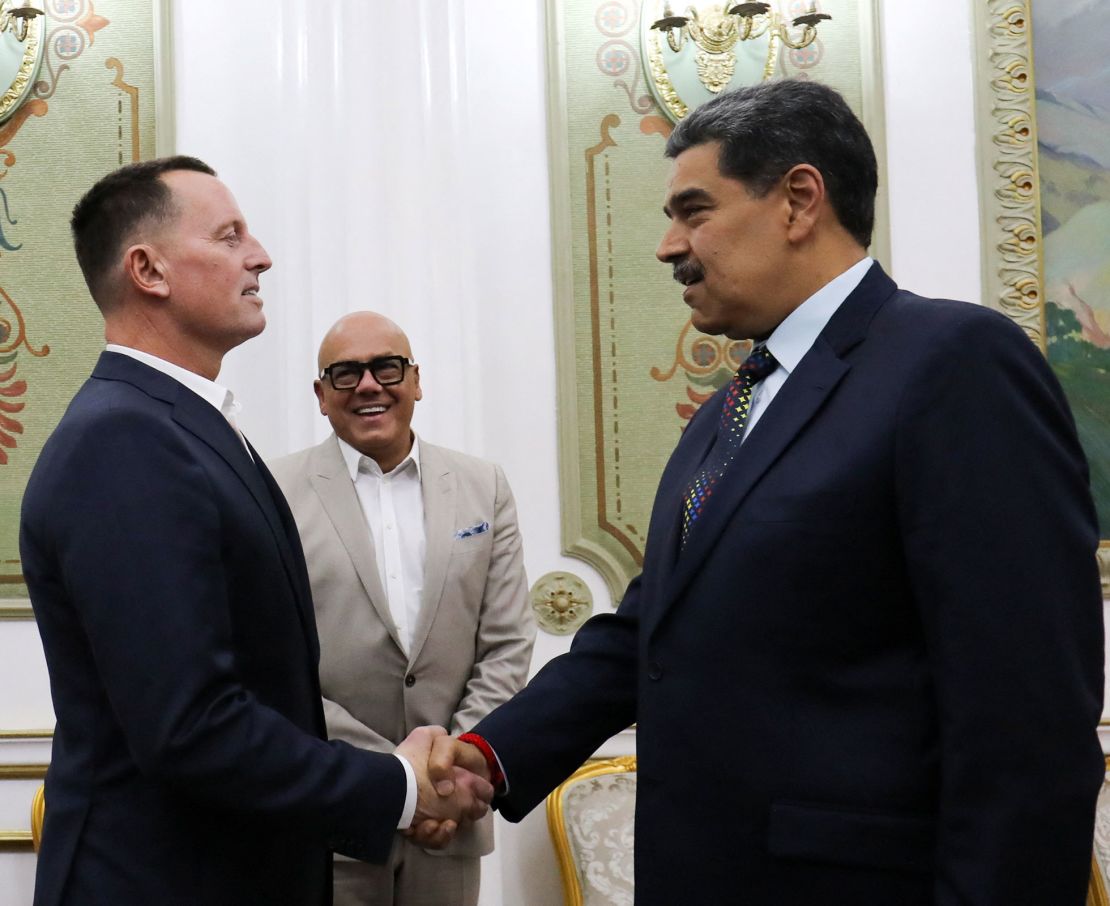
The advisory change follows a broader softening of the U.S. posture toward President Nicolás Maduro's government that began after the Trump administration eased certain petroleum-related sanctions on Venezuela earlier this month. Treasury Secretary Scott Bessent, who has taken the lead on structuring the Iran war's economic response, confirmed that Venezuelan oil unlocked through the sanctions relief is already moving toward U.S. refineries on the Gulf Coast, which are configured to process the heavy crude that Venezuela's Orinoco Belt produces in abundance. Venezuela pumps roughly 900,000 barrels of oil per day, a fraction of what Iran exported before the war but a meaningful supplement at a moment when global supply is severely constrained by the Hormuz closure.
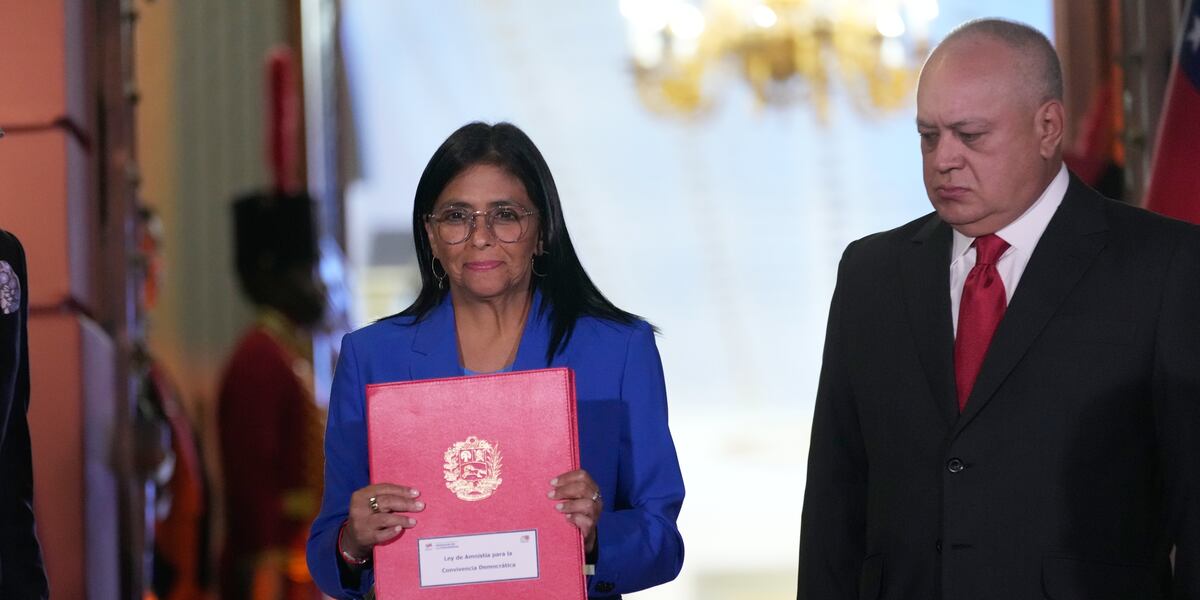
The rapprochement represents a striking reversal from U.S. policy of less than two years ago, when the Biden administration reinstated the most stringent sanctions on Venezuela after Maduro's government failed to meet democratic commitments it had made in exchange for an earlier sanctions waiver. In December 2025, the Trump administration — after taking office — began signaling a willingness to engage Caracas on a purely transactional basis, setting aside demands for democratic reforms that had defined U.S. policy for the better part of a decade. The Iran war, and the energy shock it has produced, appears to have accelerated that calculation dramatically.
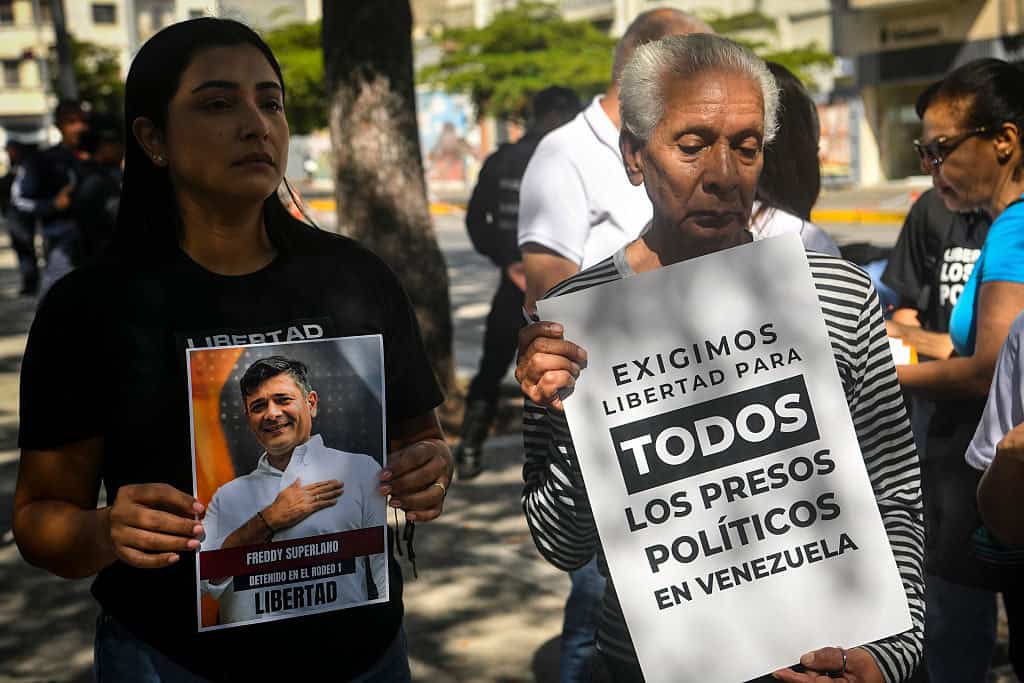
Human rights organizations reacted sharply to the travel advisory change, arguing that conditions inside Venezuela — including political imprisonment, extrajudicial killings, and the near-total collapse of public services — have not improved and that the diplomatic shift sends a damaging signal to democratic opposition figures inside the country. "Lowering the travel advisory is a political choice, not a factual one," said José Miguel Vivanco, a former director at Human Rights Watch. "The situation on the ground for ordinary Venezuelans hasn't meaningfully improved." The State Department did not dispute that the underlying security environment in Venezuela remains dangerous, but said the advisory update reflects "overall engagement levels and bilateral relationship status" rather than solely conditions on the ground.
The Venezuela opening is part of a wider pattern in which the Trump administration is restructuring its foreign policy relationships around the singular crisis created by the Iran war and the Strait of Hormuz closure. In the same period, the White House eased secondary sanctions on Russian oil, opened backchannel diplomatic contact with Gulf states that have expressed neutrality, and dispatched envoys to multiple oil-producing nations to discuss production increases. Energy analysts say these moves will take months to translate into meaningful relief at U.S. fuel pumps, where average gasoline prices have climbed to $4.10 a gallon in major cities — the highest since the pandemic-era price spikes of 2022. "The Venezuela relationship is real and growing, but it's not a short-term fix," said Francisco Monaldi, a Venezuela energy specialist at Rice University's Baker Institute. "The administration knows that. This is about building options for a conflict that may last longer than anyone wants to admit."